Survey finds Southeast Asia favours cooperation over superpower alignment
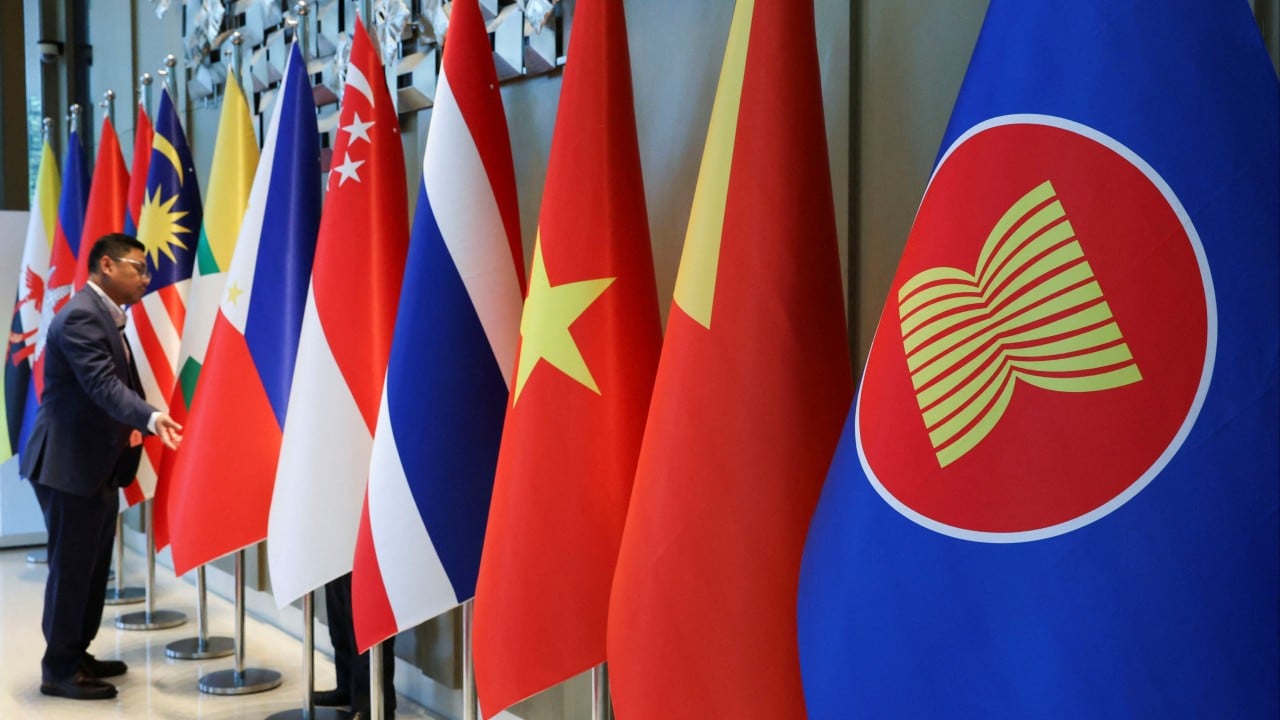
A new survey says Southeast Asians remain relatively confident in international cooperation while becoming more sceptical of US or Chinese leadership. Analysts link the findings to a regional preference for preserving strategic options, especially among smaller and middle powers wary of dominance by either Washington or Beijing.
Southeast Asia remains relatively confident in international cooperation, even as scepticism grows over whether the United States or China should take the leading global role, a new survey has found. The findings are contained in a report titled “Seeking Security and Opportunity in a Stormy World”, according to the South China Morning Post. The supplied material does not identify the organisation that conducted or released the survey, nor does it provide figures showing the level of support for multilateralism or the changes recorded over time.
The results suggest that the region’s preference for international cooperation has not been displaced by a clear choice between Washington and Beijing. Analysts cited in the report said the position reflected a long-standing desire to keep strategic options open. That approach is particularly evident among smaller and middle powers, which are described as wary of an international order dominated by either the United States or China.
The account does not name the analysts or specify which Southeast Asian countries were included in the survey. The report also supplies no details about the questions asked, the survey period or the methodology used. It therefore establishes a broad regional preference for multilateralism and strategic flexibility, but does not provide enough information to compare individual countries or quantify attitudes towards either major power.
This independently written report is based on information supplied by the named publisher. Vertrix News has not independently verified the source report.