UK food and drink trade deficit exceeds £21bn, highest since 2000
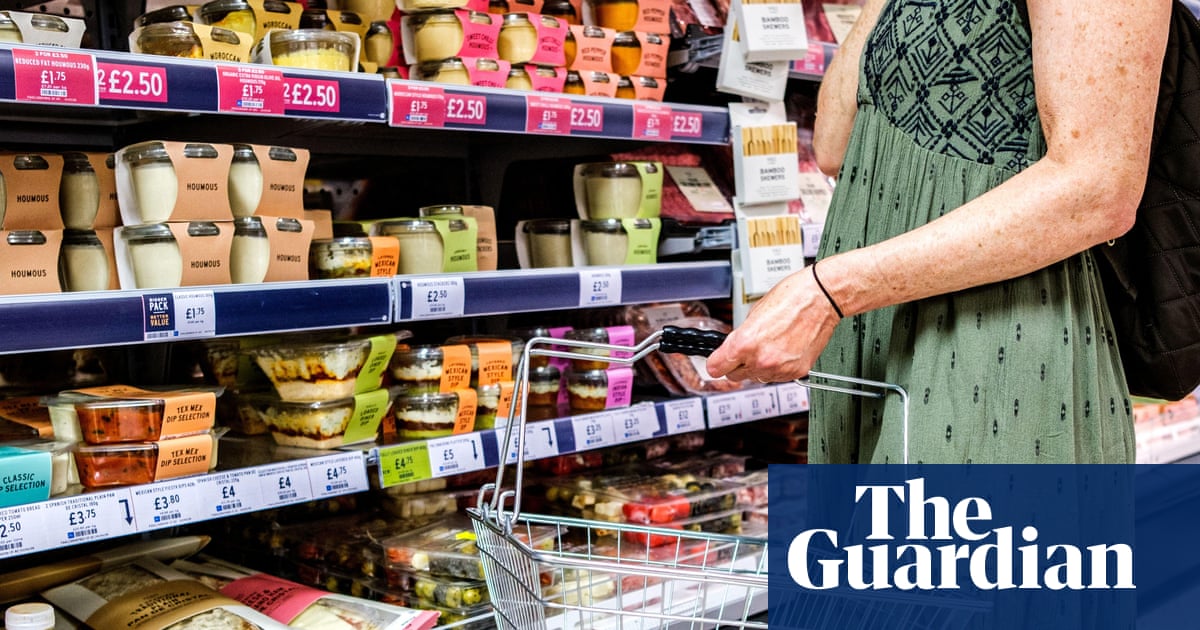
Britain’s food and drink trade deficit has risen above £21bn, its largest level since 2000, according to The Guardian. Industry leaders attribute the deterioration to Brexit, war in the Middle East and US tariffs, alongside higher imports, and urge the government to protect domestic production as a national-security concern.
The United Kingdom’s food and drink trade deficit has risen to more than £21bn, its largest level since 2000, according to The Guardian. The gap between exports and imports has widened as deliveries overseas were hit and imports increased. Industry leaders said the figure was a warning for the government to protect domestic food production, describing homegrown supply as a matter of national security.
The report attributes the deterioration to several pressures, including Brexit, the war in the Middle East and US tariffs. The supplied material does not quantify the effect of each factor or identify the products and trading partners most affected. It also does not provide the value of exports and imports separately, or explain how the latest figure compares with the previous year beyond stating that the deficit has risen.
The industry response calls for stronger protection of domestic produce. The source does not specify what measures leaders want the government to introduce, nor does it include a detailed government response. The reported £21bn-plus deficit represents the largest gap in the supplied time period since 2000.
Its significance is presented by industry representatives as both an economic concern and a food-security issue.
This independently written report is based on information supplied by the named publisher. Vertrix News has not independently verified the source report.