UK households face higher energy bills as pressure builds on chancellor
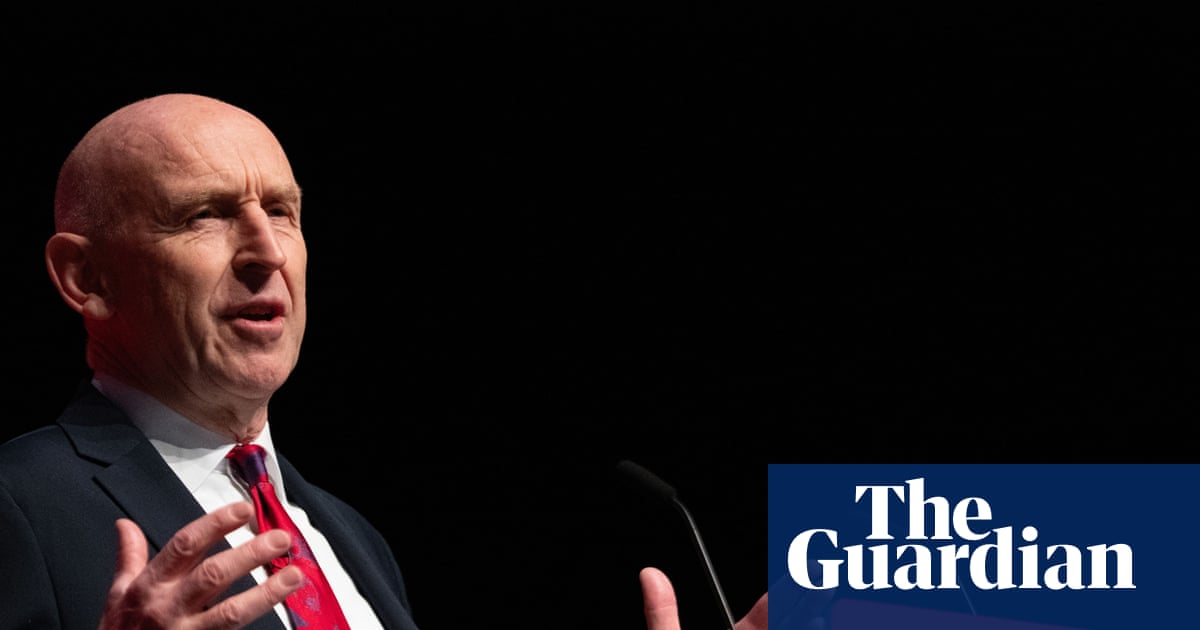
Great Britain’s energy price cap is due to rise by 4% from Thursday, taking the average annual bill for a typical household to £1,723. Campaigners and Labour MPs are calling for further help in the October budget, while ministers say public finances leave limited room for action.
Millions of households in Great Britain face a 4% increase in energy charges from Thursday, prompting calls for the government to provide further support in next month’s budget. The regulator Ofgem’s quarterly price cap will rise to an average annual bill of £1,723 for a typical home. A VAT cut on electricity bills, announced by Andy Burnham, will reduce the average household’s costs by £45 from 1 October, but campaigners say the measure will not be enough to prevent a deeper cost-of-living crisis.
The increase comes as diesel prices approach £2 a litre and global oil and gas prices rise amid the war in the Middle East. Cornwall Insight, an energy forecaster, expects the cap to rise by a further 16% in January, reaching £1,999 for an average dual-fuel household. An open letter to Chancellor John Healey and Energy Secretary Miatta Fahnbulleh, signed by charities, trade unions and thinktanks, called for universal energy support alongside targeted help for households most in need.
The Cost of Living Action campaign group coordinated the letter. Paul Nowak, general secretary of the TUC, described the situation as an energy-bill emergency and urged the government to act more forcefully at the 28 October budget. The New Economics Foundation proposed a national energy guarantee providing every household with a basic amount of energy at a fixed low price, with additional use charged at market rates.
Polling for the Joseph Rowntree Foundation found that 66% of British adults believe the government should do more to tackle energy costs. Twenty-eight per cent were extremely worried about the effect of the Iran war on winter bills, while 43% were quite concerned. The Treasury has signalled that the budget will prioritise fiscal discipline.
Burnham said there was not huge room for manoeuvre, while Fahnbulleh said the government was considering further action and would continue pursuing lower bills through clean power. Campaigners are also pressing ministers to extend the VAT holiday and move some clean-energy levies from bills into general taxation.
This independently written report is based on information supplied by the named publisher. Vertrix News has not independently verified the source report.