UK leader Burnham promises social reforms while warning of tight finances
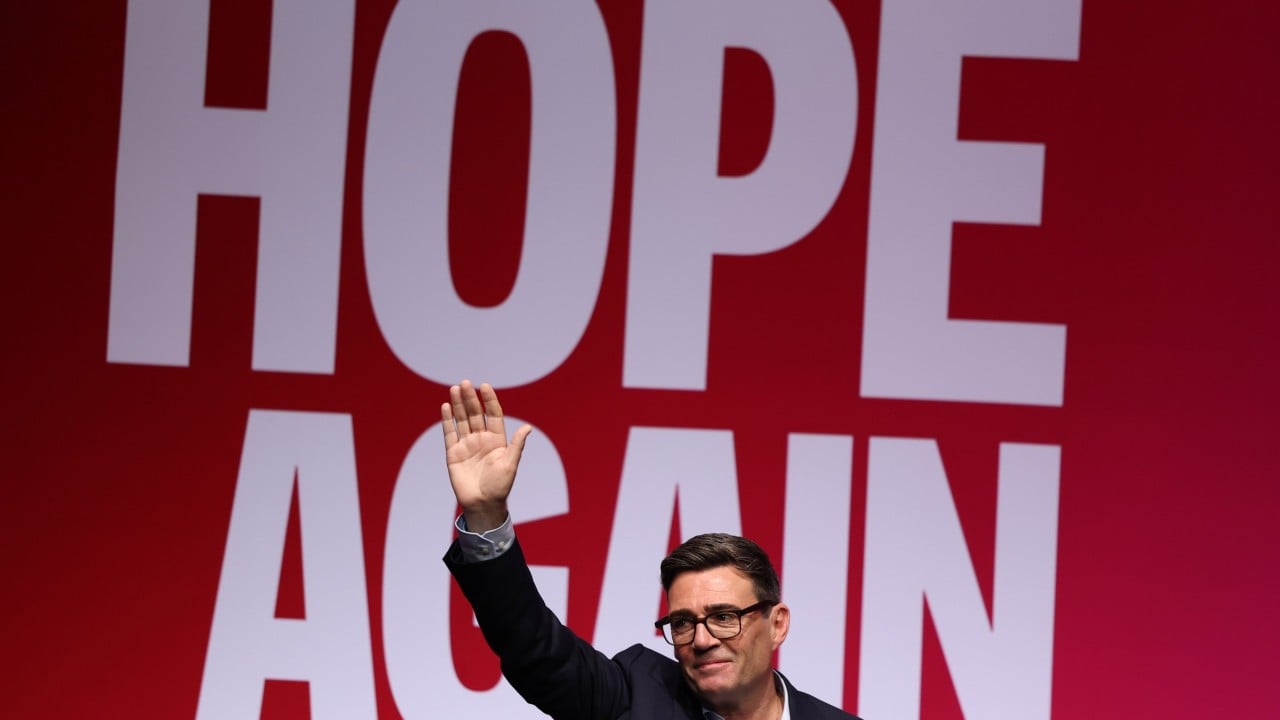
British Prime Minister Andy Burnham has pledged major changes to social care, housing, education, electoral rules and relations with the European Union. Speaking to Labour’s annual conference, he acknowledged that funding the programme would require difficult choices, including changes to the pensions triple lock and restraint under the government’s fiscal rules.
British Prime Minister Andy Burnham has promised a broad programme of social and political reform while warning that economic constraints will make delivery difficult. Addressing the governing Labour Party’s annual conference on Tuesday, Burnham called for what he described as a new social contract for the 21st century. His proposals include more social housing, improved education, more affordable care for older people, action on homelessness and youth unemployment, and greater public control over privatised utilities.
Burnham said he would make the creation of a national care service a central political commitment if Labour wins the next election. He said it would be free to use and funded through taxation, like the National Health Service. He spoke about his experience of the care system with his father, Roy, who died earlier this month.
To help finance the service, Burnham said he would weaken the pensions triple lock, which guarantees annual increases based on the highest of consumer-price inflation, average wage growth or 2.5%. He acknowledged that the decision could carry a political cost. He also said Labour would campaign to replace Britain’s winner-takes-all electoral system with a form of proportional representation.
Burnham argued that Brexit had harmed the country and called for a reassessment of the UK’s relationship with its European neighbours. The Prime Minister said his government would follow its fiscal rules to reduce borrowing and debt. He was speaking ahead of Treasury chief John Healey’s budget on October 28, against a backdrop of higher oil prices, inflation and borrowing costs linked in the source material to the continuing US-Iran war and disruption in the Strait of Hormuz.
Burnham became Labour leader and prime minister in July after Keir Starmer resigned. He has ruled out an early general election, although Labour’s improved standing has prompted speculation about one.
This independently written report is based on information supplied by the named publisher. Vertrix News has not independently verified the source report.