Ukraine is strengthening protections for its railway system as Russian attacks on locomotives, stations and related infrastructure increase. Oleh Holovashchenko of state rail operator Ukrzaliznytsia said more than 1,600 attacks were reported during the first eight months of 2026.
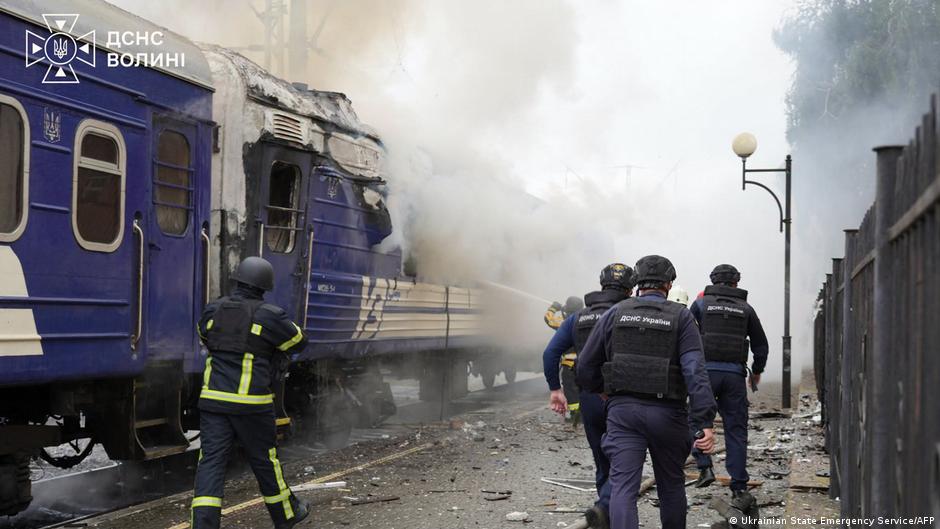
Several passenger trains have recently come under attack. A train traveling from Kyiv to Mykolaiv was struck by a drone on September 16, while another train was attacked the previous day in the Volhynia region near the Polish border. Two days earlier, a drone hit a locomotive at the Yahodyn border crossing. No one was injured in that incident because the operator’s monitoring system detected the drone and passengers were evacuated about 15 minutes before the strike.
Ukraine says more than 500 locomotives have been damaged or destroyed since Russia’s full-scale invasion began in 2022, with more than half of those attacks occurring this year, according to Foreign Minister Andrii Sybiha. He has called for tighter sanctions against Russia and international financial assistance to help Ukraine buy locomotives compatible with its Soviet-era broad-gauge railway.
Ukrzaliznytsia is negotiating with international partners and has signed a contract with French manufacturer Alstom, with deliveries expected to begin next year. In the meantime, the operator is repairing existing trains, prioritizing technical reliability and readiness to carry passengers and freight. Former Ukrainian deputy transport minister Vasyl Shevchenko told DW that locomotives were especially vulnerable because their heat signatures made them easier to detect and strikes could cause extensive damage.
President Volodymyr Zelenskyy discussed protection for critical infrastructure and logistics on September 15. Planned measures include expanded electronic warfare, reorganized mobile fire teams, stronger air-defense lines, backup logistics routes and additional funding. Ukrzaliznytsia is also developing early-warning systems and has established a monitoring center tracking drones and trains across Ukraine.
Faster jet-powered Shahed-type drones have reduced the time available to halt trains and evacuate passengers, Holovashchenko said. The operator is increasing precautionary stops, using buses in high-risk areas and expanding a “train plus bus” system with military authorities. Dispatchers use shelter maps to stop trains near evacuation points when possible, while staff receive psychological support and prepare blankets, rainwear and other supplies for winter disruptions.