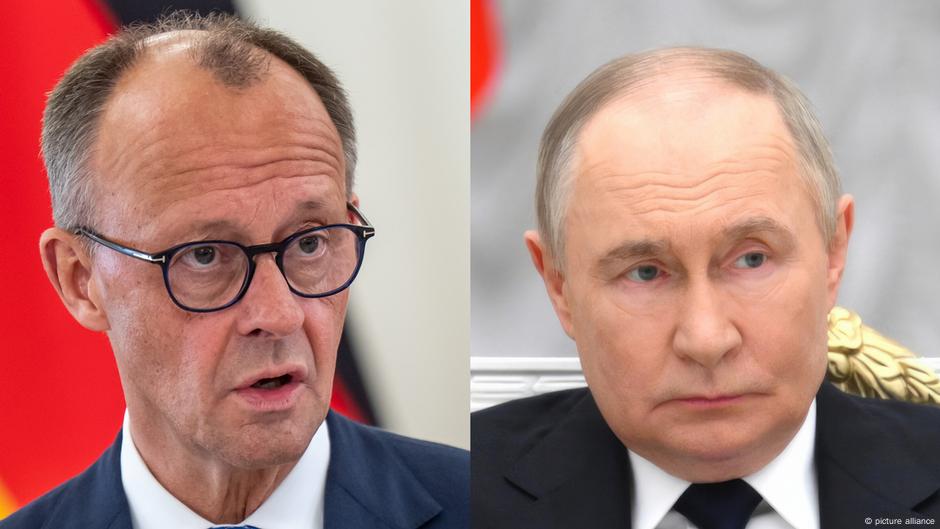
Germany and Russia built a close economic relationship in the early 2000s, centered on Russian energy supplies and German industrial exports. According to DW, the partnership continued even after Russia annexed Crimea in 2014, when Berlin and Moscow agreed to build Nord Stream 2, a pipeline intended to carry gas directly to Germany while bypassing Ukraine.
The relationship was shattered by Russia’s full-scale invasion of Ukraine on February 24, 2022. Russia expert Mario Baumann of the German Council on Foreign Relations told DW that many Germans had assumed an attack would be irrational because of its expected economic, military and political costs. He said they had underestimated the Russian leadership’s “imperialist and revisionist ambitions.”
Chancellor Olaf Scholz described the invasion as a “Zeitenwende,” or epochal shift, in German foreign and security policy. Germany ended its dependence on Russian energy and halted Nord Stream 2. The pipeline was later destroyed in September 2022; DW reports that Germany’s Federal Prosecutor’s Office suspects a Ukrainian group was responsible. EU sanctions have since reduced trade between Russia and Germany to a minimum, while cooperation in culture, science and education has nearly stopped.
Tensions have also spread into security policy. Germany has suspected Moscow of involvement in cyberattacks against government agencies and critical infrastructure. After an armed drone was found and defused at Leipzig Airport in August 2026 near aircraft involved in transporting military aid to Ukraine, the German government publicly blamed the Kremlin for the first time, according to DW. Russia denied responsibility. Berlin and Moscow subsequently closed diplomatic and cultural facilities, each accusing the other side of hostile activity.
At home, the AfD is calling for an end to support for Ukraine and a normalization of relations with Russia, including renewed oil and gas deals. DW cites an ARD Deutschlandtrend survey in which 42% of respondents said military aid to Ukraine had gone too far. Political scientist Sven Leunig said opposition was driven less by fundamental rejection of support than by fear of deeper involvement in the conflict. While Johannes Varwick advocates a policy change, Baumann says continued support for Ukraine best protects German and European interests. DW concludes that a return to the former German-Russian relationship appears unlikely for the foreseeable future.