The US House of Representatives has approved a major Russia sanctions package, clearing the way for President Donald Trump to sign it, Euronews reports. The measure passed 262-159 after the Senate approved it 86-11 the previous month, and Trump has indicated he will sign the legislation.
The package targets Russia’s energy and defence industries, President Vladimir Putin and senior officials, as well as the so-called shadow fleet of tankers used to evade existing Western restrictions. It also covers companies and foreign entities supporting Russia’s military effort and extends existing sanctions connected to Iran.
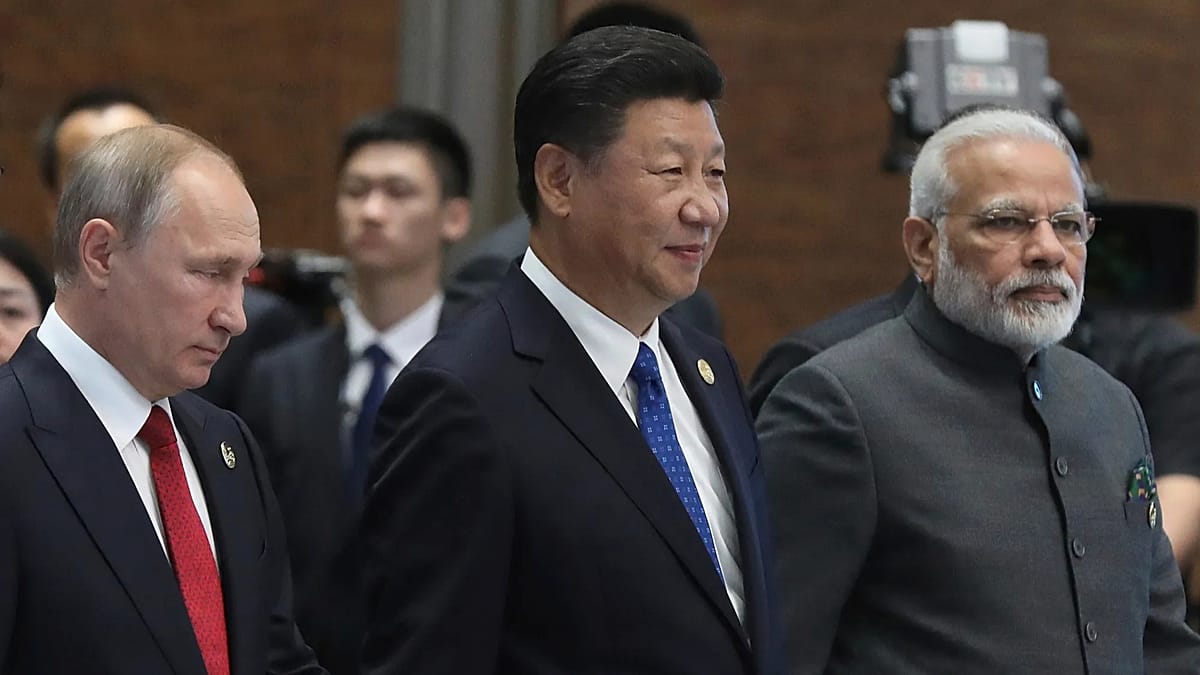
A central provision gives the president authority to impose tariffs of up to 100% on countries that continue to purchase substantial amounts of Russian oil and gas. Euronews said the provision is directed particularly at China and India, two of Russia’s biggest remaining customers. India said it would continue buying Russian oil through diversified sourcing and according to changing market conditions.
The tariff powers drew criticism from some Democrats who supported stronger pressure on Moscow but objected to granting the president broad control over trade policy. Gregory Meeks, the senior Democrat on the House Foreign Affairs Committee, said he would have supported the legislation if the tariff provisions had been removed. Republicans blocked attempts to amend the bill, although most Democrats ultimately voted for it and some Republicans opposed it on free-market grounds.
Supporters argued that tougher economic measures were needed as Russia’s full-scale invasion continued without a ceasefire. The vote followed reported Russian drone strikes on civilian transport in southern Ukraine that killed five people, according to officials in Kyiv. Ukrainian President Volodymyr Zelensky had urged Congress to approve the package, while advocacy groups called for rapid enforcement to restrict revenue flowing to Russia.
The legislation follows more than a year of delay, Euronews said, reflecting Trump’s preference for retaining personal control over sanctions and tariff policy. Its passage increases pressure on Moscow while raising the prospect of tensions with major buyers of Russian energy.