AI spending fears drive sharp Wall Street technology sell-off
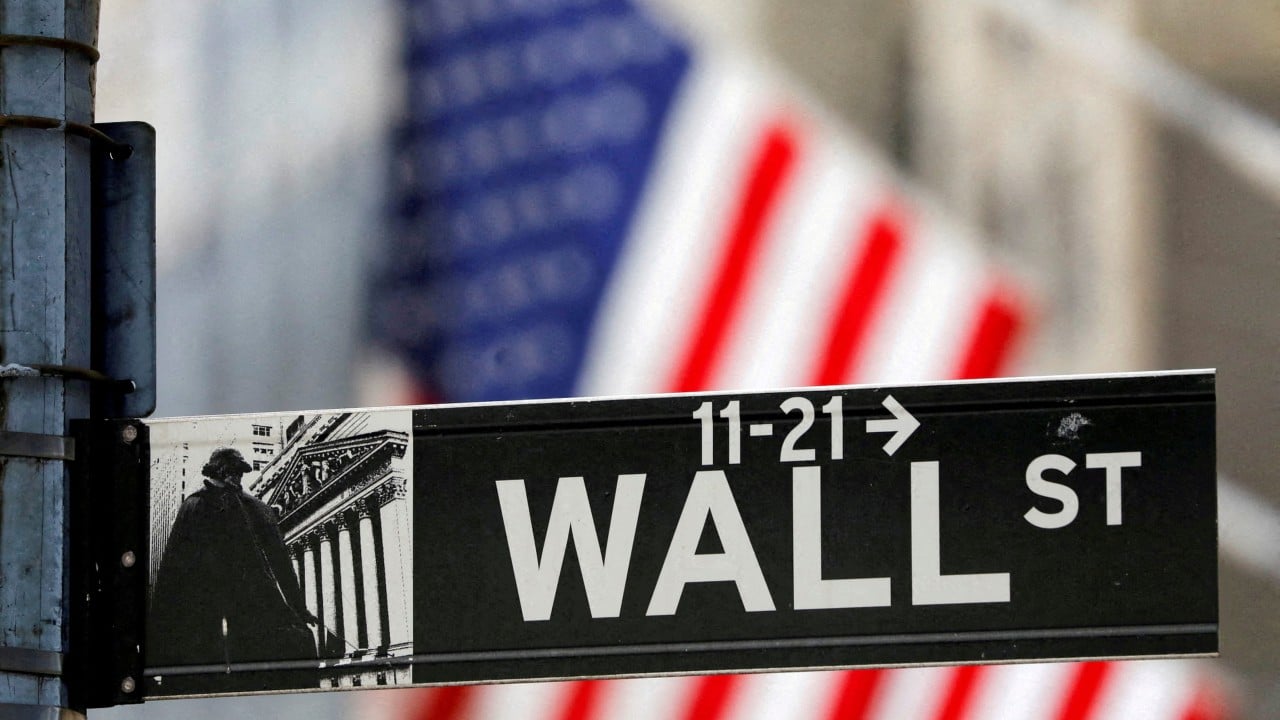
US stocks suffered their steepest daily decline since June as investors questioned whether enormous artificial-intelligence investments will generate sufficient profits. The technology-heavy Nasdaq fell more than the S&P 500, while Intel, Nvidia and Amazon declined. Defensive and energy shares were more resilient, and Treasury yields eased as investors sought safer assets.
Wall Street suffered its worst day since June on Friday as a technology sell-off intensified, with investors increasingly questioning whether the enormous cost of the artificial-intelligence boom will translate into profits and productivity. The S&P 500 fell 1.8 per cent to 7,580.07, ending a third consecutive losing week. The technology-heavy Nasdaq composite dropped 2.9 per cent to 25,437, according to the South China Morning Post, while the Dow Jones Industrial Average lost 572.25 points, or 1.1 per cent, to close at 51,770.31.
NDTV reported the Nasdaq was down 3.4 per cent at 2:15pm Eastern time, indicating the decline was still deepening during the session. Chipmaker Intel led the losses, plunging 28.6 per cent for its worst daily fall since 1974. The company had reported better-than-expected quarterly profit, but its forecast for the final three months of the year fell short of analysts’ expectations.
Chief executive Lip-Bu Tan also said the personal-computer industry remained under pressure. Nvidia, widely seen as the symbol of the AI investment surge, fell 4.2 per cent and exerted the biggest downward force on the S&P 500. Amazon declined 1.4 per cent after reporting weaker-than-expected summer profit.
Investors were also unsettled by its reported free-cash-flow deficit of US$42.4 billion over the previous 12 months, alongside US$94.8 billion in spending on property and equipment, mainly for AI-related investment. The moves followed an even sharper decline in Alphabet on Thursday. The Google and YouTube owner fell more than 12 per cent, its worst day on record, after telling investors that its cash use during the summer had increased from the spring.
The company cited major AI investments. The scale of spending has become a central concern for investors. The South China Morning Post quoted Joe Tigay, portfolio manager at Equity Armour Investments, as saying markets were moving from the “hopes and dreams phase” of the AI trade into the “‘show me’ phase”.
Chip companies and other beneficiaries of data-centre construction have also faced pressure from concern that high interest rates could slow further expansion. The weakness was concentrated in technology rather than spread evenly across the market. Nearly as many S&P 500 shares rose as fell.
ExxonMobil gained 2.2 per cent and Chevron added 1.8 per cent after both oil companies reported stronger-than-expected summer profit. Mondelez International rose 3.9 per cent, while Colgate-Palmolive advanced 2.3 per cent after reporting better revenue and profit. Cryptocurrency-related shares also fell after a hack affecting Binance, described in the report as the world’s largest crypto exchange.
Bitcoin dropped below US$77,000 from more than US$86,000 earlier in the month. A US blockchain intelligence firm said a North Korean unit was probably responsible for the attack, which affected more than US$6 billion in cryptocurrency. Coinbase Global lost 10.6 per cent and Strategy fell 7.8 per cent.
Treasury yields eased as investors bought government debt for safety. The 10-year yield fell to 4.93 per cent from 4.98 per cent on Thursday and more than 5.30 per cent earlier in the month. The broader market remains only 3.1 per cent below its record, but the report said its instability has become more politically sensitive as US midterm elections approach.
Vertrix News compared the attributed reports listed below and wrote this independent synthesis. Claims remain attributed where independent verification was unavailable.
Sources
- South China Morning Post
- NDTV