Andhra Pradesh declines to defend transgender law amendments in Supreme Court
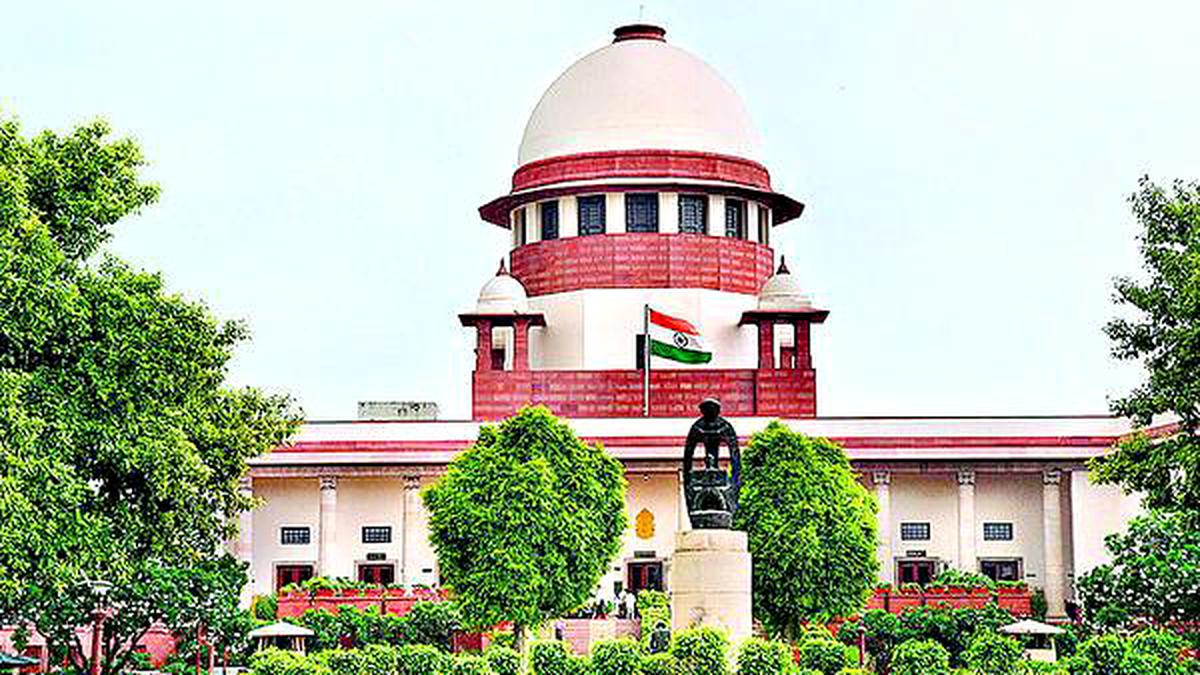
Andhra Pradesh has told India’s Supreme Court that the Union government should primarily defend constitutional challenges to controversial 2026 amendments to transgender rights law. Uttarakhand, by contrast, has defended the changes as beneficial, while at least a dozen petitions challenging the legislation remain before the court.
The Andhra Pradesh government has declined to defend the Union government’s 2026 amendments to India’s Transgender Persons (Protection of Rights) Act in the Supreme Court. In an affidavit filed in August, the state said it had no role in enacting the law and that its constitutional validity was primarily a matter for the Union government. The Supreme Court is hearing at least a dozen petitions challenging the amendments.
The changes removed provisions recognising a transgender person’s right to a self-perceived gender identity and narrowed the statutory definition to physiological characteristics. Their passage prompted protests and led members of the government’s National Council for Transgender Persons to resign, according to the report. Andhra Pradesh, governed by the Telugu Desam Party, which is allied with the BJP, told the court that it had not taken independent action that discriminated against transgender people.
It also supplied figures on identity-card applications: of 3,750 applications, 3,233 had resulted in certificates, 403 had been filtered and 114 were pending. The state said it remained committed to the constitutional rights, dignity, equality and welfare of transgender people and would comply with any directions issued by the court. Uttarakhand, a BJP-ruled state, adopted the opposite position.
It defended the amendments as beneficial and said their operation had not denied, diluted, eroded or abridged transgender people’s rights. The state said identification, certification, welfare and rehabilitation continued. Uttarakhand nevertheless said the Union government should address the constitutional challenges.
It relied on the principle that legislation enacted by a competent legislature is presumed constitutional. Supporters of the amendments have argued that self-identification could be misused by people seeking welfare benefits. Opposition MPs have said removing the right conflicts with the Supreme Court’s 2014 NALSA judgment, which recognised gender self-determination.
The Union government had not responded to the challenges at the time of the report.
This independently written report is based on information supplied by the named publisher. Vertrix News has not independently verified the source report.