Russia backs India and Brazil for permanent UN Security Council seats
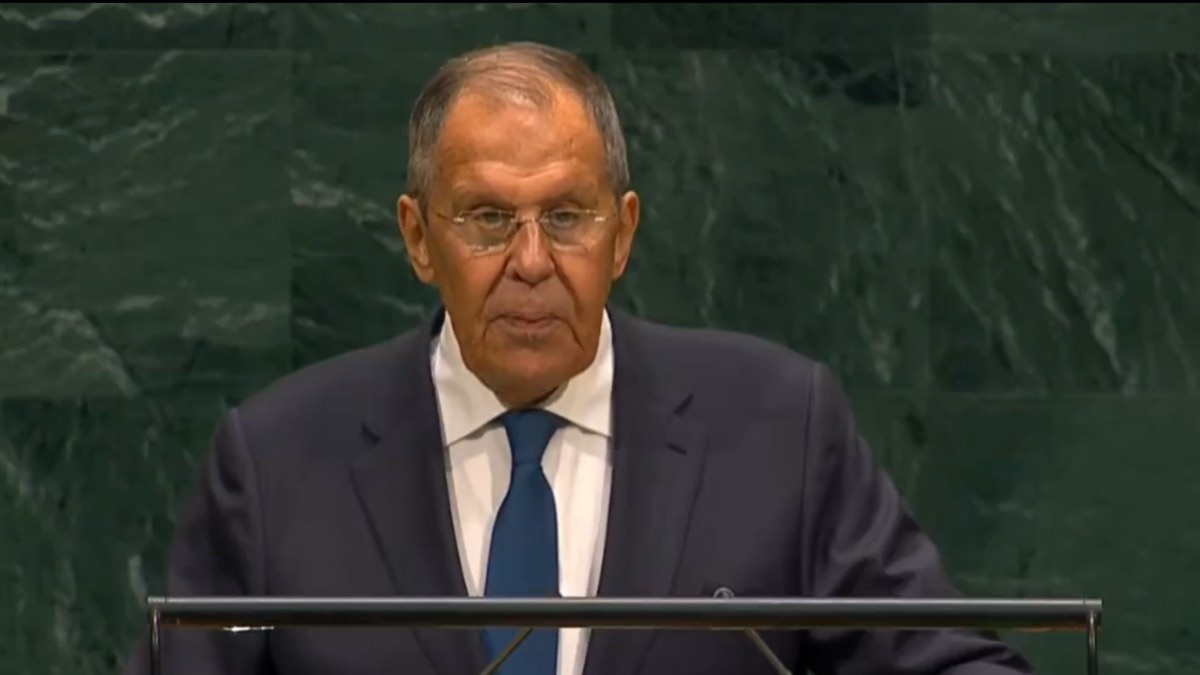
Russian Foreign Minister Sergey Lavrov has endorsed India’s bid for a permanent United Nations Security Council seat, while opposing additional permanent places for Western countries including Germany and Japan. Speaking at the UN General Assembly, he called for stronger representation for Asia, Africa and Latin America in any reform process.
Russia has backed India’s candidature for a permanent seat on the United Nations Security Council, while opposing the addition of further permanent members from the West. Foreign Minister Sergey Lavrov made the remarks during the United Nations General Assembly’s general debate on Saturday. Lavrov said reform should expand the representation of the Global South, particularly Asia, Africa and Latin America.
He specifically supported the candidatures of India and Brazil, while saying that Germany and Japan should not receive permanent seats. He criticised the prospect of additional Western representation, referring to Germany and Japan and alleging that both were on a path towards militarism and revanchism. Lavrov also said the interests of Africa would need to be addressed as part of any reform process.
India’s bid was also supported by Mauritius during the ongoing general debate. Mauritian Foreign Minister Dhananjay Ramful said his country backed the positions of the G4 and L69 groupings on Security Council reform and reiterated support for India’s permanent membership. Portugal’s Prime Minister Luis Montenegro called for a more representative Council with permanent representation for Africa, Brazil and India.
The Marshall Islands, meanwhile, reaffirmed its support for Japan and its G4 partners. Japanese Prime Minister Sanae Takaichi called for expansion in both the permanent and non-permanent categories. African leaders also renewed demands for greater representation.
Sierra Leone President Julius Maada Bio said Africa, despite having a population of more than 1.6 billion, had no permanent seat. Ghanaian President John Dramani Mahama said reform was necessary for the UN’s legitimacy and credibility. The Council currently has five permanent members—China, France, Russia, the United Kingdom and the United States—with veto powers, alongside 10 members serving two-year terms.
Charter amendments require approval by two-thirds of the General Assembly and ratification by two-thirds of UN member states, including all five permanent members.
This independently written report is based on information supplied by the named publisher. Vertrix News has not independently verified the source report.