Anwar expected to target cost-of-living concerns in Malaysia’s 2027 budget
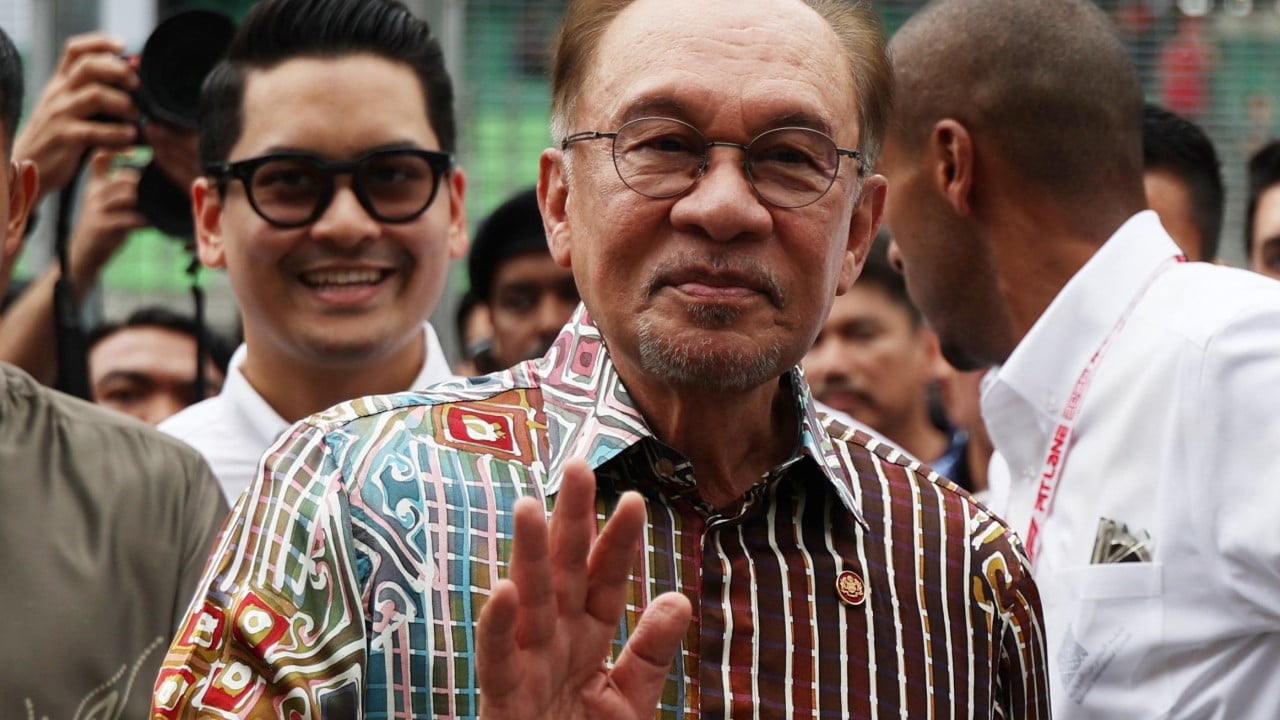
Malaysia’s Prime Minister Anwar Ibrahim is expected to announce an expansionary 2027 budget with higher assistance, targeted subsidies and increased spending on education and healthcare. The package comes as his coalition faces pressure from Umno and criticism over living costs, while fuel subsidies limit the government’s fiscal room.
Malaysia’s Prime Minister Anwar Ibrahim is expected to present a budget aimed at easing cost-of-living pressures and strengthening political support amid tensions within his coalition government. Experts cited in the source material expect the 2027 budget to include higher cash assistance, targeted subsidies, increased education and healthcare spending, and measures supporting wages and skills training for lower-income Malaysians. Possible measures include larger monthly household aid, financial assistance for civil servants and pensioners, wider pension and insurance coverage for gig workers, and electricity-pricing adjustments.
The predictions were included in a research note by Singapore-based bank UOB. Anwar’s administration faces pressure from Umno, a key coalition partner that has called for an early national election after gains against the ruling Pakatan Harapan coalition in state elections. The dispute could increase pressure for a poll before the February 2028 deadline.
Asrul Sani of The Asia Group said the budget would be politically important because Anwar needed to address weak support among Malay voters, who account for roughly 60 per cent of Malaysia’s population. He said the prime minister would have to respond to voter concerns without undermining fiscal credibility. Anwar has already announced several measures before the budget.
Subsidised petrol quotas were restored to 300 litres per person each month from September 1, while pickup-truck drivers received a higher diesel quota. Funding for school maintenance was increased by 50 per cent to 1.5 billion ringgit for 2027. The prime minister also announced financing and limited tax exemptions for micro-businesses and small and medium-sized enterprises.
However, fuel subsidies consumed 38 billion ringgit in the first half of 2026, well above the initial allocation. Economist Mohd Afzanizam Abdul Rashid said higher global oil prices could require more subsidy funding, while the government also needed to narrow its fiscal deficit and manage its debt ratio.
This independently written report is based on information supplied by the named publisher. Vertrix News has not independently verified the source report.