Bengaluru’s Avare Mela grows from food-waste solution into major festival
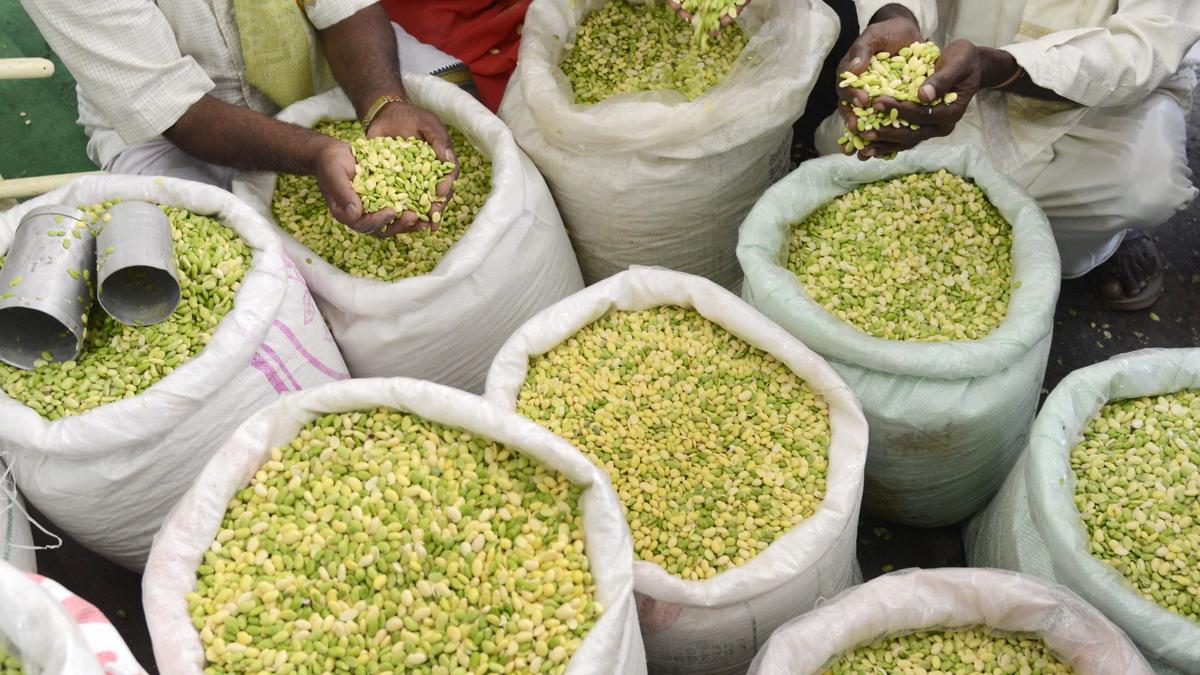
Avare Mela began in 2000 after farmers’ unsold peeled beans were being discarded in Bengaluru. Its 25th edition expanded the menu to 125 dishes and brought together hundreds of farmers, illustrating how an effort to reduce waste also created a major platform for avare-based food and rural livelihoods.
Bengaluru’s Avare Mela, which began as a small effort to prevent farmers’ produce from being wasted, reached its 25th edition with a menu of 125 dishes and participation from more than 500 farmers. The festival was held at National College grounds from December 27, 2024, to January 5, 2025. The event traces its origins to 1995, when farmers from Magadi brought avarekayi and avare bele to southern Bengaluru.
Almost half of what they brought was reportedly discarded because the bean was not widely used by residents. Geetha Shivakumar, a nearby resident, noticed that farmers were throwing away peeled beans after their sales. She bought the remaining produce, made savouries and sold them through her brand, Shree Vasavi Condiments.
In 2000, she organised a small food fair featuring dishes made from avare to support and celebrate the farmers who supplied her. Avare nippattu, chikki, mixture and avarekaalu saaru were among the early dishes served. The first mela featured about 10 dishes.
For the 25th edition, organisers added 25 new items, including avarekaalu mayonnaise, pasta and chocolate. Swathi K. S., Ms.
Shivakumar’s daughter and the event’s organiser, said the mela now included gourmet and bakery menus based on avare. The festival attracted about four lakh visitors in its previous edition, compared with its beginnings with four farmers. Vasanna, a farmer from Magadi and one of the original suppliers, continues to provide beans for the event.
He said a kilogram of avare bele, priced at ₹20–25 in the 2000s, now sells for ₹250–300. The quantity used by the mela has also grown from roughly 300–500 kilograms to several tonnes. The event was held near V.
V. Puram’s food street until 2023, when it moved to National College grounds because of the growing crowd. Organisers also use it to highlight the labour of women who peel avarekayi manually in their homes before the produce reaches the market.
This independently written report is based on information supplied by the named publisher. Vertrix News has not independently verified the source report.