Brazil extends voting after transport dispute clouds tight Lula-Bolsonaro runoff
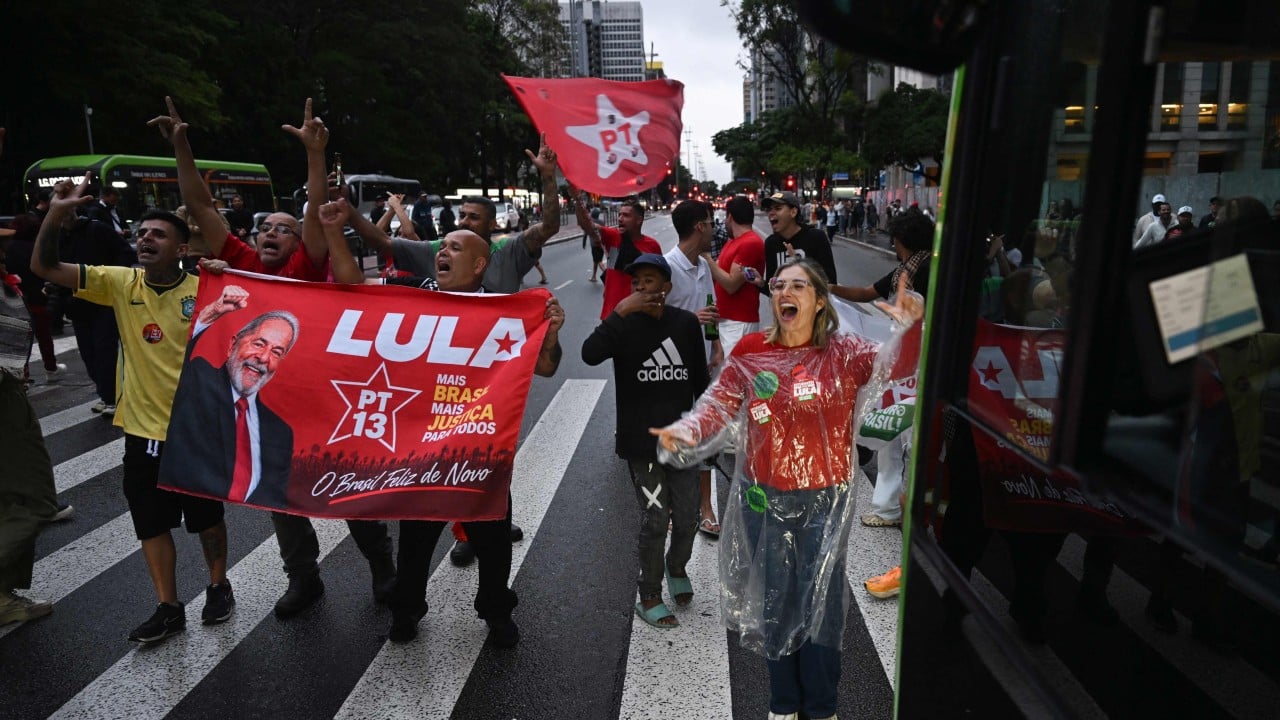
Brazil’s Supreme Court authorized voting to continue for up to two hours in locations affected by transport problems, after President Luiz Inácio Lula da Silva’s campaign alleged bus shortages had prevented voters from reaching polling stations. The intervention disrupted the initial count in a close runoff against Flavio Bolsonaro, standing in for his barred father.
Brazil’s presidential runoff was thrown into confusion after a Supreme Court justice extended voting by up to two hours in locations where transport problems had disrupted access to polling stations. Justice Cristiano Zanin acted on a complaint from Luiz Inácio Lula da Silva’s campaign, which said buses had been kept from operating in cities governed by allies of his rival, Senator Flavio Bolsonaro. The order was later limited to polling stations whose voting machines had not yet been shut down, according to the South China Morning Post.
Other voters were sent home after the original closing time. Lula said 40% of buses in São Paulo had been prevented from entering service, while local reports cited by DW said 75 buses had been blocked from leaving garages. The Workers’ Party alleged that only 60% of the city’s buses were operating; municipal figures put the share at 71.7% at 1.20pm.
The competing figures were not independently reconciled in the reports. The dispute spread beyond São Paulo. In Salvador, voters reported long waits and crowded buses.
A Bahia electoral court ordered federal police to arrest the city’s mobility secretary and imposed a fine of 1m reais for every hour a transport order went unmet, according to the South China Morning Post. City officials said the secretary was in Paris and blamed delays partly on buses carrying campaign stickers, which electoral law prohibits. Flavio Bolsonaro’s lawyers filed their own request for extended voting in 17 municipalities affected by heavy rain.
The intervention therefore involved complaints from both campaigns, although Zanin’s order followed the Lula campaign’s petition. The Superior Electoral Court, which organizes the election, had not previously extended voting in Brazil, making the decision particularly unusual. The court stopped publishing results shortly after voting was originally due to end, with 0.25% of voting machines counted, the South China Morning Post reported.
DW said the electronic voting system could still allow an official result within hours, with the electoral court president expecting an announcement between 8.30pm and 9pm local time if counting proceeded normally. The election is a rematch in political terms between Lula and the Bolsonaro camp. Flavio Bolsonaro is standing in place of his father, former president Jair Bolsonaro, who is barred from office and was convicted by the Supreme Court over a coup plot after losing to Lula in 2022.
Jair Bolsonaro’s supporters later stormed government buildings in Brasília. The contest was expected to be close. The South China Morning Post reported that Lula won 45.16% of valid votes in the first round, compared with 47.03% for Flavio Bolsonaro, and said no runner-up had previously won a Brazilian presidential runoff.
The supplied reports do not give a final result from the extended vote. Lula’s campaign focused on mobilizing poorer voters who rely on public transport. He called the reported disruption “abominable” and accused mayors and a business owner of trying to prevent people from voting.
Those claims remained contested during the election-day dispute. The result also carries international implications. Lula has cultivated Chinese investment and supported a Mercosur trade agreement with China, while a proposal carrying Flavio Bolsonaro campaign branding called for cooperation with the United States on rare earths.
Flavio Bolsonaro later said he would work with both powers. Brazil’s role in protecting the Amazon was another reason the election attracted global attention.
Vertrix News compared the attributed reports listed below and wrote this independent synthesis. Claims remain attributed where independent verification was unavailable.
Sources
- DW
- South China Morning Post