Burnham says fiscal stability must precede Labour’s planned reforms
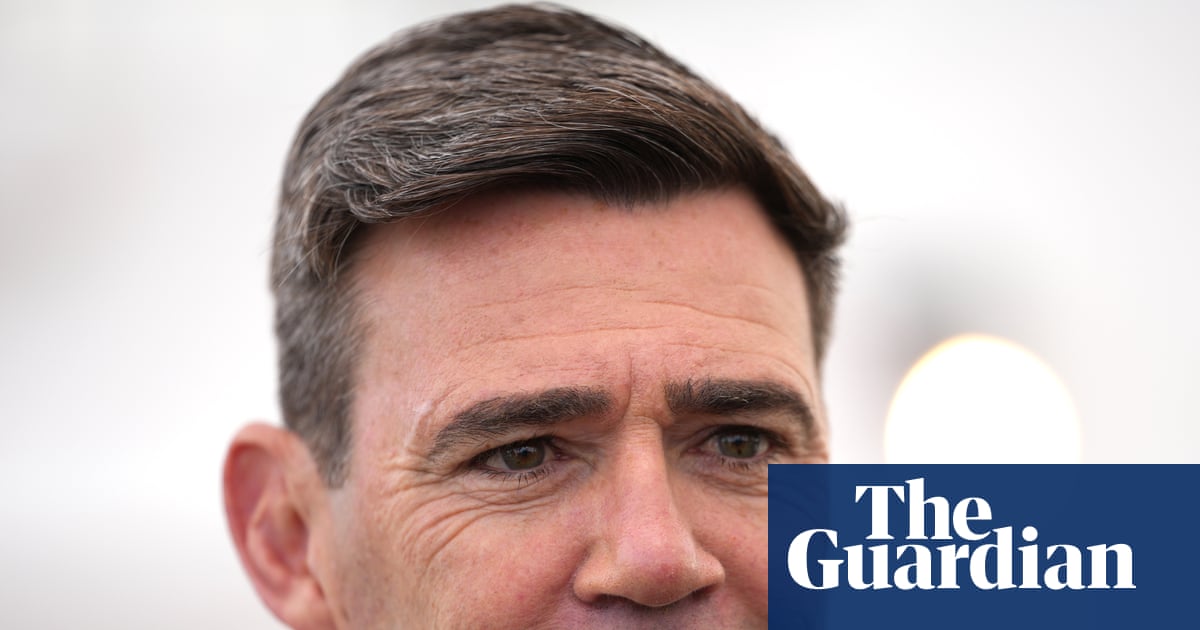
UK prime minister Andy Burnham has said his government must first establish fiscal stability before pursuing the wider changes he believes the country needs. In an interview with the Guardian, he ruled out a snap election before 2029 and defended a gradual approach to welfare reform and public finances.
UK prime minister Andy Burnham has said fiscal stability will be essential before his government can pursue the wider reforms he believes are needed, as he prepares for his first Labour conference as party leader. In an interview with the Guardian, Burnham acknowledged that the public finances were challenging ahead of next month’s budget. He said the government needed to demonstrate that it was willing to confront difficult decisions and reassure financial markets before attempting a major programme of change.
Burnham said he still believed there were measures the government could take despite economic pressures. He argued that stability could create the political and financial space for longer-term changes capable of strengthening the public finances. The prime minister ruled out a snap general election before 2029 and denied that he or his senior team had discussed calling an early vote.
He said his focus had been on addressing problems rather than political strategy, and rejected claims that the Labour government lacked a mandate. Burnham acknowledged that he was constrained by tax positions and fiscal rules inherited from Labour’s manifesto commitments. He indicated that he might have framed those commitments differently but said the government now had to work within the circumstances it had inherited.
He also played down speculation that Labour would provide additional help with energy bills as the price cap is expected to rise from January. He pointed to the planned removal of VAT on electricity bills, saying measures had already been taken. On welfare, Burnham said the bill was too high but argued that Labour MPs did not support crude cuts that could push people into crisis.
He called for a longer-term reform approach. He also expressed concern about hostile artificial-intelligence systems, far-right street protests and political funding, saying he remained open to discussions about donation and election-spending limits.
This independently written report is based on information supplied by the named publisher. Vertrix News has not independently verified the source report.