China and African governments deepen cooperation against cross-border cybercrime
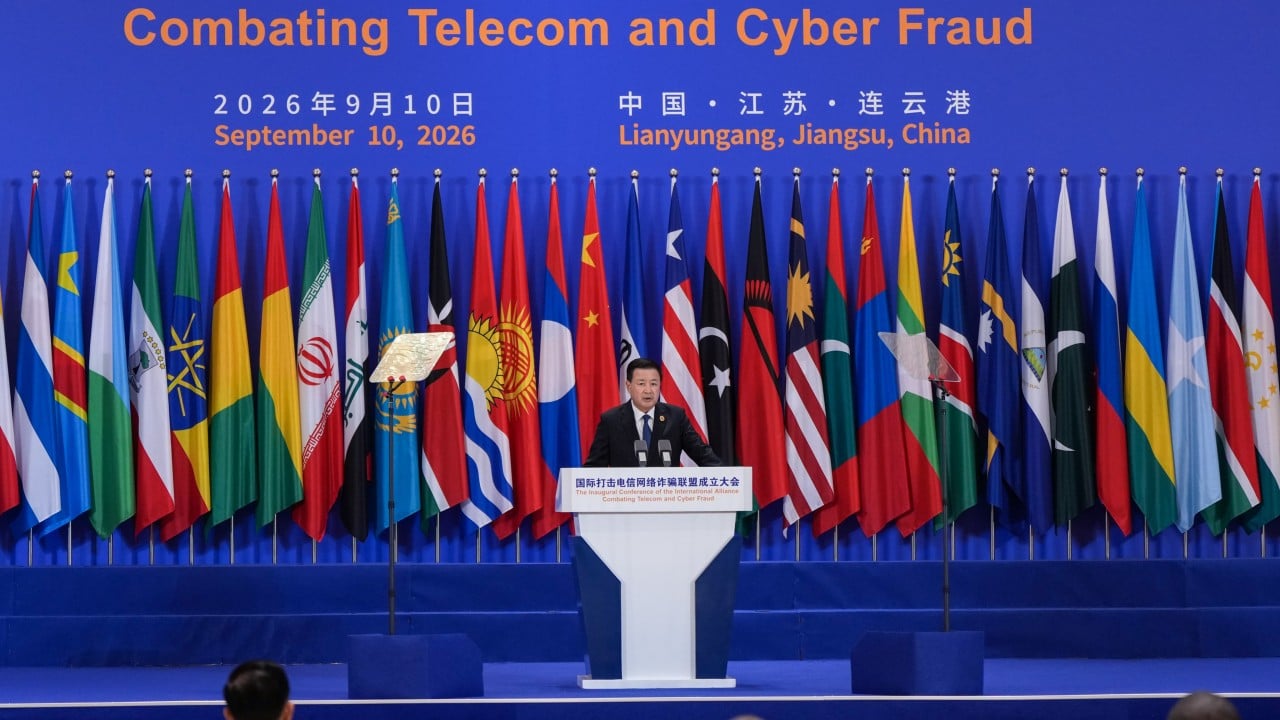
China has expanded security cooperation with African countries around online fraud, kidnapping and other cross-border crimes. Beijing hosted East African officials in Jiangsu and launched a 46-country alliance on telecoms and cyber fraud, while experts said African governments were seeking training, technology and intelligence support.
China and African governments are strengthening law-enforcement cooperation against cross-border cybercrime, online fraud and other transnational threats. Chinese authorities hosted East African security ministers and police chiefs in Lianyungang, Jiangsu province, on September 10. Discussions covered terrorism, kidnapping, unlawful detention, online fraud and telecoms-related crime.
China’s public security minister, Wang Xiaohong, said Beijing would work with East African countries to tackle those threats. On the same day, China launched the International Alliance Combating Telecoms and Cyber Fraud, whose 46 founding countries include Kenya. China said the alliance would support regular police cooperation, professional training, joint exercises and coordinated action against cross-border telecoms fraud.
African governments, meanwhile, are seeking access to training, technology and intelligence sharing. The cooperation comes as authorities investigate alleged fraud operations involving Chinese nationals in several African countries. In eSwatini, China advised its citizens to leave or move to safer areas after raids on suspected illegal online gambling centres.
In Zambia, authorities detained 79 people, including 11 Chinese nationals, during a raid on a suspected cybercrime operation. Four Chinese nationals also appeared in court in Nairobi over an alleged SIM-swapping and money-laundering scheme. Kenya has additionally reported rescuing hundreds of citizens from scam compounds in Myanmar, Cambodia and Laos between 2022 and 2026.
Analysts said the cooperation gives China a larger security role in Africa. Alessandro Arduino of the Royal United Services Institute said cyber fraud was a useful area for Beijing because it affected Chinese citizens and investments while presenting a genuine international security problem. Liselotte Odgaard of the Hudson Institute said the new alliance was initially likely to complement organisations such as Interpol, although it could eventually become a China-led security platform.
This independently written report is based on information supplied by the named publisher. Vertrix News has not independently verified the source report.