China imposes 55% surcharge on Brazilian beef above quota
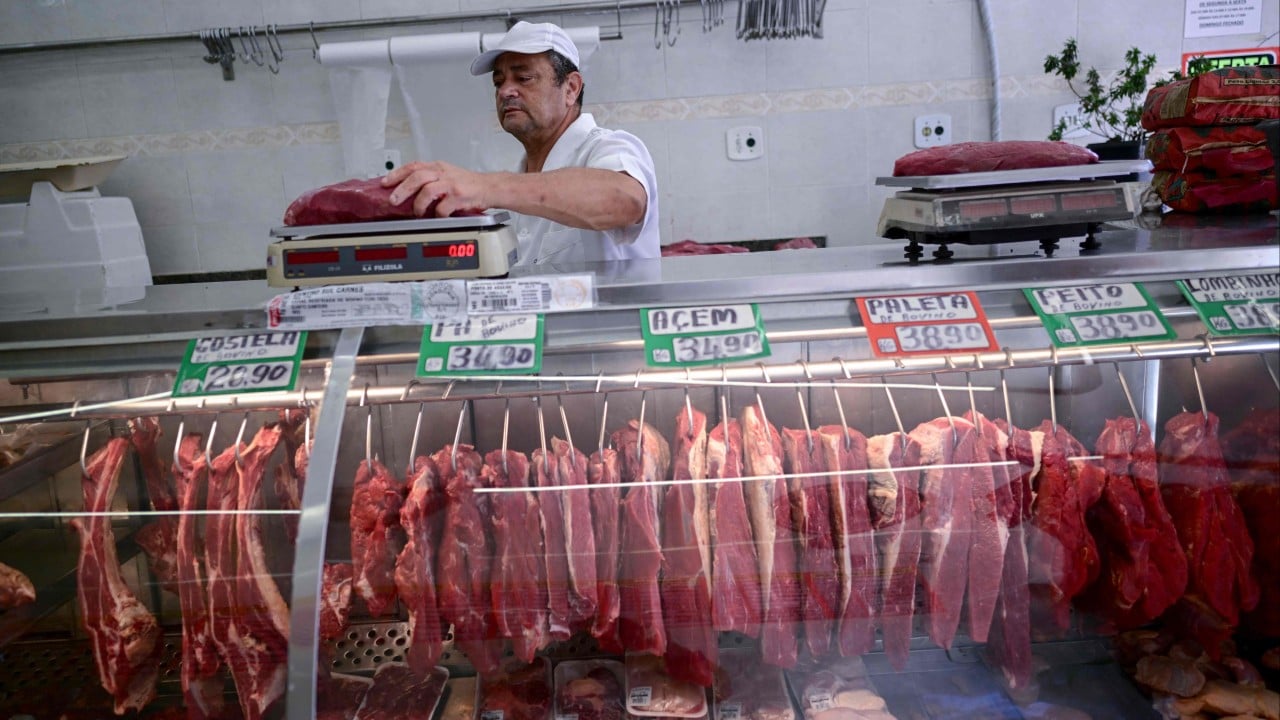
China will impose an additional 55% tariff on Brazilian beef after Brazil exhausted its 2026 import allocation. The measure raises the total duty on shipments above the quota to 67% and effectively blocks further Brazilian sales for the year, while Beijing has not approved Brazil’s request to use unused Uruguayan quota.
China will impose an additional 55 per cent tariff on Brazilian beef after Brazil exhausted its import quota for 2026, industry sources said. The surcharge takes effect on Thursday. Combined with China’s regular 12 per cent import duty, it will raise the tariff on beef above the quota to 67 per cent, a level exporters consider too high for continued sales.
China’s customs administration confirmed that Brazil had used its 1.106 million-tonne allocation on Tuesday. The Ministry of Commerce announced the extra charge on Wednesday, in line with rules applying the measure from the third day after a country reaches its limit. The development effectively shuts Brazilian beef out of China, its largest market, for the remainder of the year.
Brazil supplied China with 1.68 million tonnes of beef last year, representing 48 per cent of its exports and US$8.9bn of total beef sales worth US$18.3bn, according to the Brazilian Association of Meat Exporting Industries. ABIEC estimated that the 2026 quota covered only about 65 per cent of the volume Brazilian plants shipped to China in 2025. It forecast that Brazil’s total beef exports could fall by about 10 per cent.
Beijing introduced the safeguard in January to protect Chinese cattle farmers facing lower prices amid oversupply and weaker consumption. Brazil received the largest allocation but also experienced the sharpest reduction relative to recent sales. Brazilian President Luiz Inacio Lula da Silva said Uruguay had authorised Brazil to use part of its unused quota.
However, China has not approved the transfer, and sources said Beijing was unlikely to permit direct arrangements involving unused allocations from other suppliers. Brazilian shipments to China fell to about 16,100 tonnes in August after reaching 154,800 tonnes in May and 158,300 tonnes in June. Some meatpackers have reduced slaughter or granted workers collective holidays.
Brazil is also seeking access to European markets, while China has approved additional Brazilian processing plants and may soon open its market to Brazilian beef offal.
This independently written report is based on information supplied by the named publisher. Vertrix News has not independently verified the source report.