China’s AI microdrama boom faces a growing demand for quality
Artificial intelligence has powered most of China’s online microdramas this year, opening the door to stories that would be expensive to film traditionally. But viewers and producers say repetitive plots, inconsistent characters and tighter rules are raising the pressure on studios to improve quality, secure permissions and retain audiences.
Artificial intelligence-generated productions have come to dominate China’s fast-growing microdrama market, but producers and viewers say the industry is now confronting fatigue over repetitive stories and uneven quality. More than 90 per cent of the 430,000 microdramas released online during the first eight months of the year were AI-generated, according to the National Radio and Television Administration, China’s broadcasting regulator. The short-form series typically use rapid pacing and frequent twists, with episodes often lasting only a few minutes.
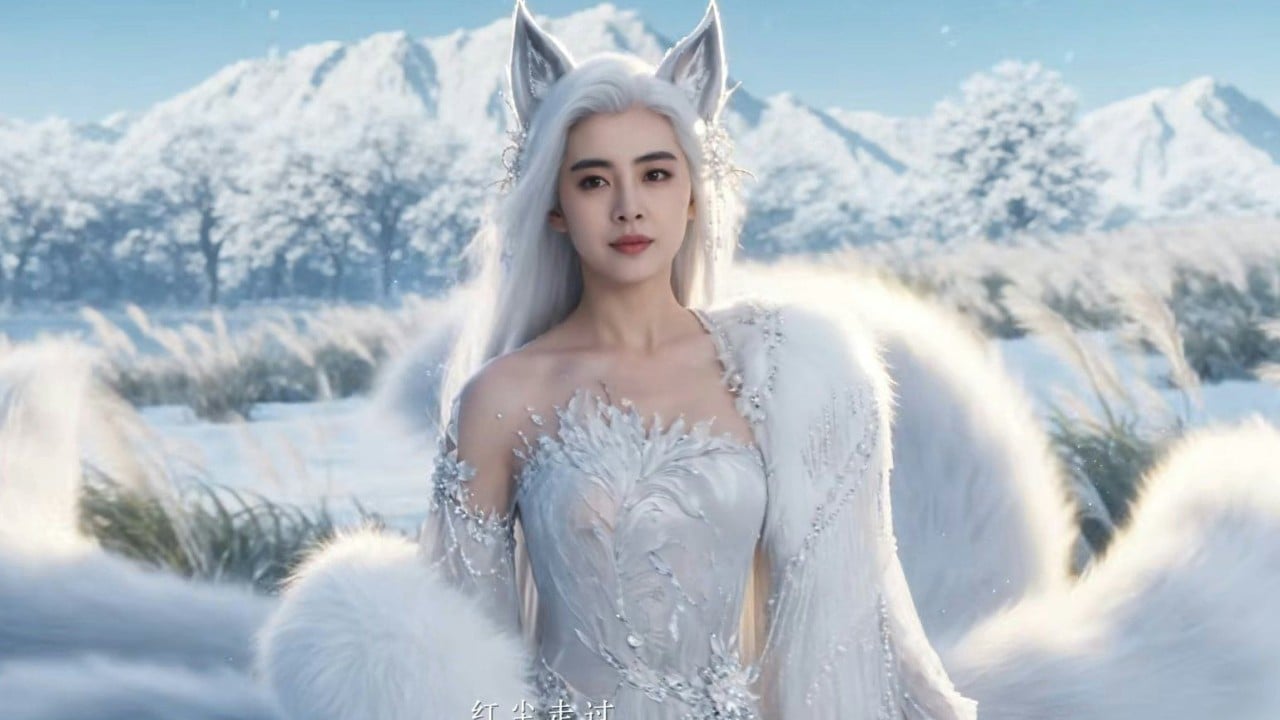
The technology has also enabled the recreation of famous performances. In a two-minute video released by NetEase this summer, actress Joey Wong returned to the screen through AI-powered reconstruction. The video recreated roles associated with her earlier career, including characters from A Chinese Ghost Story and Green Snake.
Producers said generative tools made fantasy, action and suspense stories more practical to produce. Bai Jianyue, a producer at a Shenzhen-based AI comic-drama distribution platform, said many online novels required expensive sets and visual effects in live action, while AI could make those worlds more feasible. Some viewers said they would pay for carefully made adaptations of popular novels or games, especially when AI could recreate settings difficult to produce conventionally.
Others complained that successful concepts were quickly copied, with only superficial changes to the setting or characters. Robin Luo, founder of Synintell Pictures, said generating individual videos was different from sustaining a complete series. He said consistent characters, performances and storytelling remained difficult across dozens of episodes.
Competition was consequently shifting towards scripts, direction, production systems and audience retention. Regulatory attention is also increasing. A rule introduced this month requires prominent labels on AI-generated episodes.
Wang Xiaoliang, an official from the broadcasting regulator, urged studios to obtain consent before using people’s faces and voices. Separately, six major platforms have committed at least 6 billion yuan to support live-action microdramas under a government-backed initiative. Zhou Xiangxiang, founder of Moli OPC AI Comic Drama Base, said her team was using authorised likenesses and agreements with performers to create digital characters.
She said licensing could raise production costs but reduce delays caused by platform concerns over characters resembling real people.
This independently written report is based on information supplied by the named publisher. Vertrix News has not independently verified the source report.