China think tank urges shared language with US on AI risks
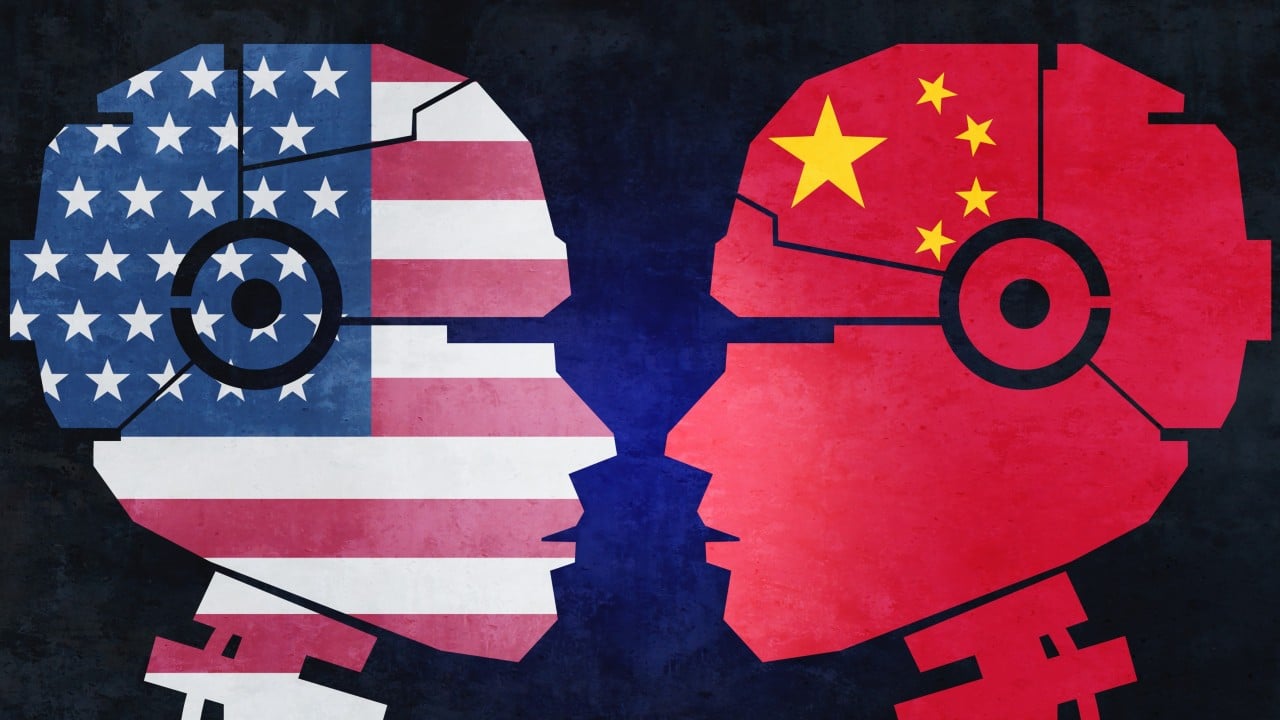
A Chinese think tank affiliated with the Ministry of State Security has urged Beijing and Washington to establish common definitions for artificial-intelligence risks before attempting broader agreements. The proposal follows an agreement by the two presidents to create a bilateral AI dialogue and incident-communication channel.
China and the United States should first develop a common vocabulary for artificial-intelligence risks rather than attempt to resolve their wider technology rivalry, a Chinese think tank has advised. The recommendation came from the China Institutes of Contemporary International Relations, which is affiliated with China’s Ministry of State Security. It follows an agreement by Chinese President Xi Jinping and US President Donald Trump to establish a bilateral AI dialogue mechanism during their summit in Washington.
The proposed mechanism would allow the two sides to discuss AI’s risks and benefits and create a communication channel for AI-related incidents. The next dialogue is due to take place in November. Liu Chong, director of the think tank’s Centre for Sci-Tech and Strategic Studies, said the process should begin with a shared understanding of emerging risks and develop trust gradually.
In an article published on Monday, he argued that AI could not easily be divided into fixed safe and unsafe categories. Instead, Liu proposed a dynamic system based on changing levels of risk and corresponding responses. He said governments, companies and researchers should agree on terms covering dangerous autonomy, when model behaviour should be treated as a security incident, and circumstances in which training should be slowed or halted.
Liu said China and the US did not need identical industrial policies, nor did they need to share model parameters or core technologies. But he called for greater oversight of frontier AI companies and said leading firms should not determine governance alone. The proposal comes amid continuing competition over advanced technology, including US restrictions on China’s access to advanced chips and AI capabilities.
Liu said the central challenge was preserving enough trust for cooperation while that rivalry continued. He also urged wider access to AI safety tools and defensive safeguards.
This independently written report is based on information supplied by the named publisher. Vertrix News has not independently verified the source report.