Cyclone Arnab strengthens as India prepares for landfall on Andhra coast
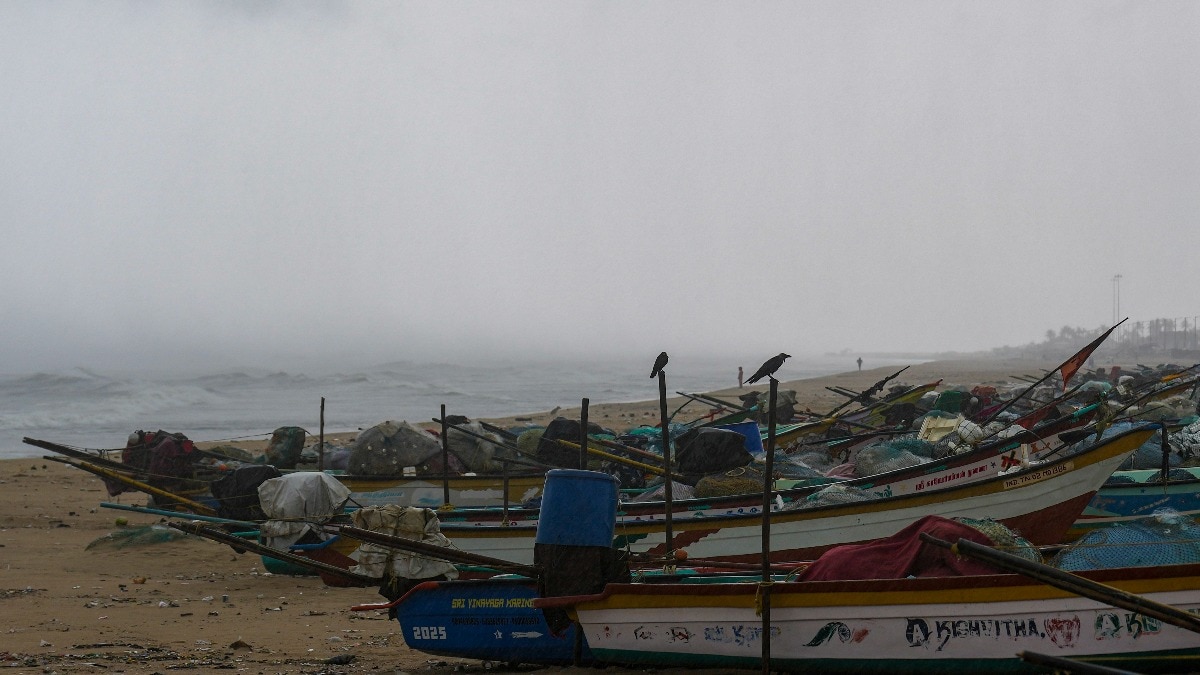
India’s eastern states are intensifying evacuations, transport restrictions and rescue preparations as Cyclone Arnab moves across the Bay of Bengal toward Andhra Pradesh and Yanam. The weather department forecasts a very severe cyclone, winds of up to 140 kmph and exceptionally heavy rain, while authorities in several states remain on alert.
Cyclone Arnab intensified over the Bay of Bengal on Monday and was forecast to strengthen into a very severe cyclonic storm before crossing the Andhra Pradesh and Yanam coasts on October 28, according to India’s Meteorological Department. The storm’s expected path lies between Bapatla and Visakhapatnam. The IMD forecast maximum sustained winds of 115 to 125 kmph, with gusts reaching 140 kmph.
The Hindu reported that the storm was earlier located hundreds of kilometres east-southeast of the Andhra coast, while India Today’s evening bulletin placed it about 490 kilometres from Visakhapatnam and said it was moving westwards at 17 kmph. The changing distance reflects the storm’s continued movement and the timing of successive bulletins. Andhra Pradesh authorities have ordered round-the-clock monitoring, evacuation from flood-prone areas and special protection for vulnerable residents.
The state said 4,711 pregnant women would be moved to safer healthcare facilities. Fishing boats were directed back to harbour, and The Hindu reported that 30,043 boats had returned. The state released ₹27 crore for relief operations across 20 districts and deployed disaster-response teams.
The state government also prepared district control rooms and emergency helplines, while energy officials assembled 25,000 electric poles and other materials in case of widespread power disruption. India Today said 10 National Disaster Response Force teams had been positioned in Andhra Pradesh, with additional teams on standby nationally. The Navy, Air Force, Army and Coast Guard also kept rescue and relief personnel ready.
Odisha closed educational institutions in six southern districts—Ganjam, Gajapati, Rayagada, Malkangiri, Koraput and Nabarangpur—and began moving people from vulnerable locations. Fishing was prohibited, and access to hills, waterfalls and dams was restricted in the identified districts. Eight ministers were assigned to oversee preparations, with NDRF, state rapid-action, fire and police teams deployed.
The central government placed Andhra Pradesh, Odisha, Telangana, Chhattisgarh and Puducherry on alert. A National Crisis Management Committee meeting reviewed preparations and stressed the protection of residents, the reduction of property damage and the restoration of essential services if they were interrupted. Train services were also disrupted: India Today reported that 53 services were cancelled for October 27 and 28.
Forecast effects extend well beyond the projected landfall zone. The IMD warned of isolated extremely heavy rain in coastal Andhra Pradesh and Yanam on October 27 and 28, in Odisha on October 28, in Chhattisgarh on October 28 and 29, and in eastern Uttar Pradesh on October 29. Heavy rain was also forecast in parts of West Bengal, Telangana, Jharkhand, Bihar and other areas.
The approaching cyclone is already following a period of severe weather in southern India. The Hindu reported more than 100 millimetres of rain in several parts of Ramanathapuram district and seven new landslips in the Nilgiris during a 24-hour period. Authorities have urged fishermen to remain at sea and residents in exposed areas to follow evacuation instructions.
Vertrix News compared the attributed reports listed below and wrote this independent synthesis. Claims remain attributed where independent verification was unavailable.
Sources
- The Hindu
- India Today