DeepSeek releases Huawei-focused AI software tools amid chip self-reliance push
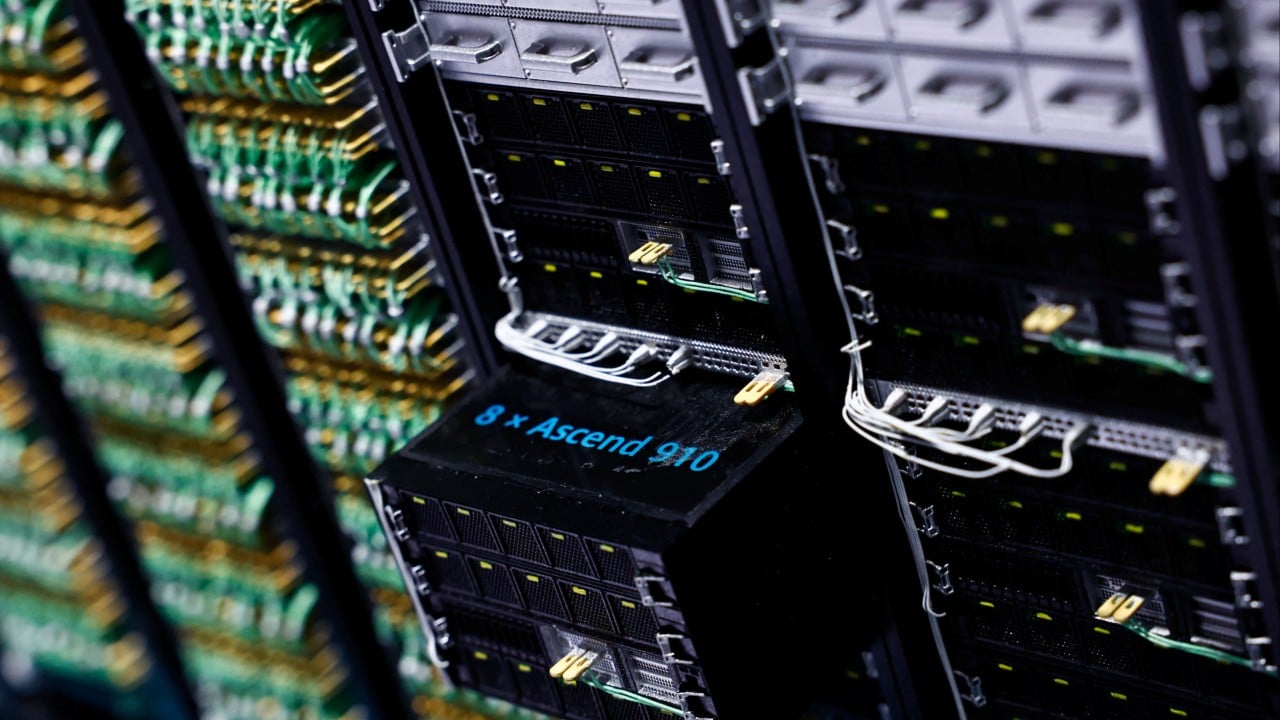
Chinese AI company DeepSeek has open-sourced six software modules adapted for Huawei’s Ascend processors, seeking to expand an alternative software ecosystem as US export restrictions affect access to Nvidia chips. The release followed collaboration with Huawei on systems using 128 Ascend 950 processors.
Chinese artificial intelligence company DeepSeek has released six open-source software modules adapted for Huawei Technologies’ Ascend AI processors, in a move aimed at strengthening China’s alternatives to Nvidia’s chips. The Hangzhou-based start-up announced the tools on its official WeChat account. The modules mirror software previously developed for Nvidia processors and are intended to support what DeepSeek described as an independent and controllable graphics-processing-unit ecosystem.
One release is an Ascend-compatible version of TileLang, a programming language for developing high-performance computing kernels. The project’s GitHub page says the Huawei version supports native code generation, automatic scheduling and synchronisation, and now works with Huawei’s Ascend 950 accelerators. DeepSeek also released Ascend versions of libraries for matrix multiplication and communication between devices.
Other tools were designed to improve long-context processing and data filtering on Huawei hardware. DeepSeek said tests showed that the tools approached the hardware limits for computational and communication performance in several cases. The company said the infrastructure was developed through close cooperation with Huawei.
The two companies worked on optimising a supernode architecture powered by 128 Ascend 950 processors, according to DeepSeek. The release comes as Chinese technology companies respond to US restrictions on exports of advanced processors. DeepSeek said its new tools were intended to help build a broader software environment for AI chips beyond Nvidia’s platform.
Huawei announced earlier this month that its Ascend 960DT processor, designed for AI training, would be ready in the first quarter of 2027, three quarters earlier than previously scheduled. DeepSeek and Huawei have also worked together on support for DeepSeek’s V4 model, while Cambricon Technologies, Moore Threads and Alibaba’s T-Head have confirmed compatibility with the model.
This independently written report is based on information supplied by the named publisher. Vertrix News has not independently verified the source report.