Global perspective. Clear attribution. Updated throughout the day.
Live desk Concise briefs from trusted publishers · Always follow the source for the full report
Markets
GBP/USD 1.3391 FrankfurterEUR/USD 1.1481 FrankfurterUSD/NGN 1,329.48 FrankfurterUSD/JPY 157.34 FrankfurterGold $4,333.40/oz Gold APISilver $65.95/oz Gold API
Breaking
Abuja court sets October 26 date for El-Rufai no-case ruling Punch NigeriaSophia Momodu recalls backlash over pregnancy outside marriage Punch NigeriaEkiti health commissioner urges hygiene and routine medical checks Punch NigeriaTwenty Super Eagles players report for 2027 AFCON preparations Punch NigeriaBayelsa host communities praise Halkin investment in local infrastructure Punch NigeriaKano police seek 37-year-old man over alleged financial crimes Punch NigeriaNigeria ranked Africa’s fourth-largest aviation market after 18.8 million passengers in 2025 Punch NigeriaCharly Boy says he connected Isbae U with Obasanjo for YouTube interview Punch NigeriaResidents leave Kebbi community after reported ethnic clash kills at least 15 Channels TelevisionAkwa Ibom governor inaugurates 14.8km road project in predecessor’s hometown Punch Nigeria
Scores
Lanús v Estudiantes de La Plata 2–1 Argentinian Primera Division · TheSportsDBCuiabá v Náutico 3–0 Brazilian Serie B · TheSportsDBSevastopol v Rubin Yalta 13:00 UTC Russia FNL 2 Group 1 · TheSportsDB
Culture

Documentary follows teenager’s letters to jailed climate activists
Source: The Guardian UK · 22 Sep 2026, 11:26 UTC
Documentary follows teenager’s letters to jailed climate activists
Image: The Guardian UK · original report

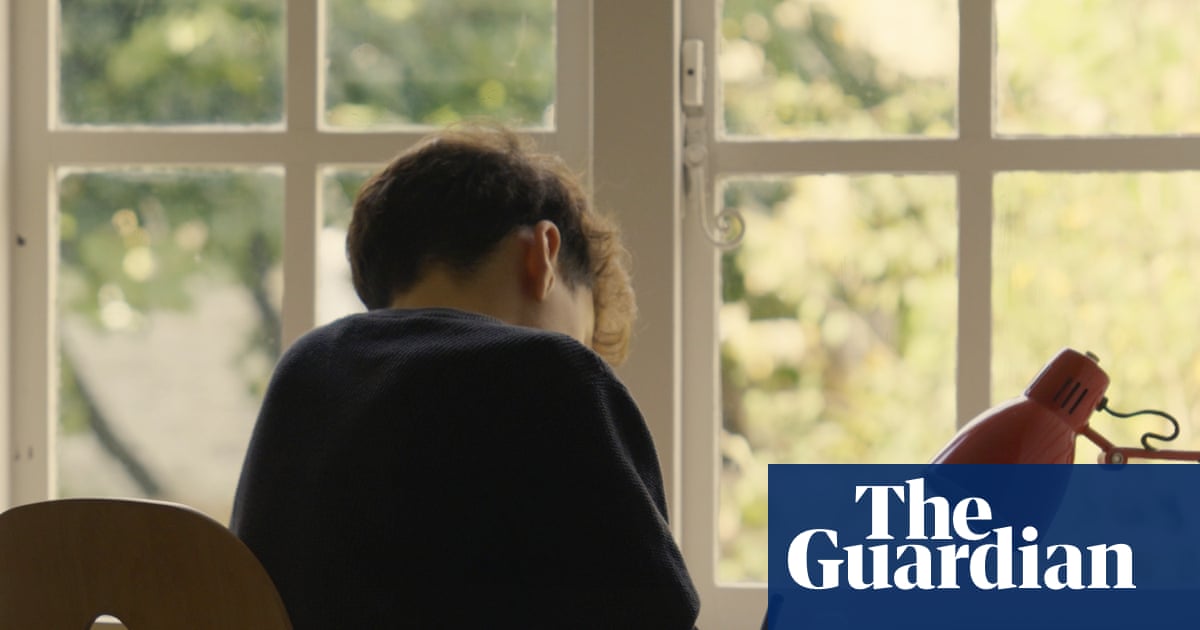
The documentary “Prison Letters” follows Max, a 14-year-old experiencing climate anxiety, as he writes to imprisoned climate activists to understand their lives and direct action. Their replies create a cross-generational exchange, while a letter to a trial judge is later mentioned in the judge’s closing remarks.

“Prison Letters” follows Max, a 14-year-old struggling with climate anxiety, as he writes to climate activists in prison, according to The Guardian. The teenager wants to understand the personal stories behind direct action and why some climate protesters have spent time in jail. The documentary centres on the letters and the responses that begin to arrive.

Those exchanges develop into a dialogue between generations. The supplied material says the connection changes Max’s despair into a sense of purpose. Max also writes to the judge presiding over a high-profile trial.

He is surprised when the judge refers to the letter in closing remarks. The source material does not identify the activists, the trial, the judge or the documentary’s release details.

About this report
This independently written report is based on information supplied by the named publisher. Vertrix News has not independently verified the source report.
View the original source at The Guardian UK →