Dolores Huerta, pioneering US farm-labour organiser, dies at 96
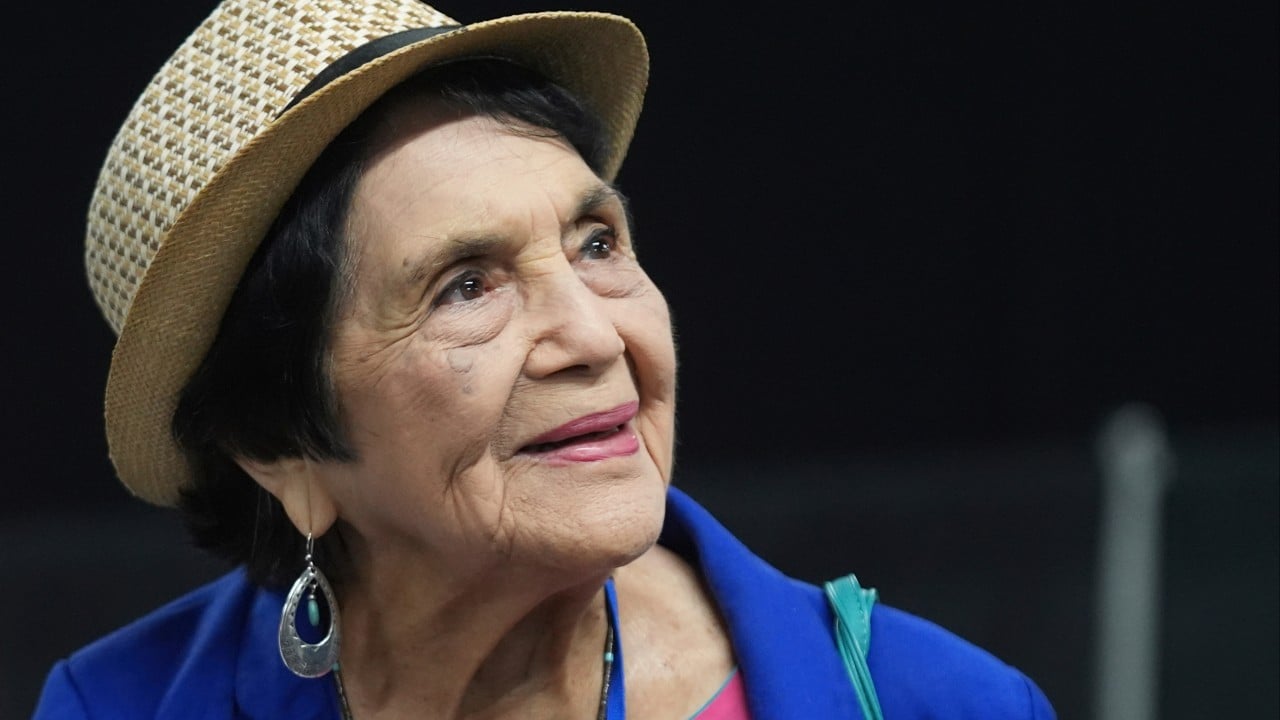
Dolores Huerta, who co-founded the United Farm Workers and helped win better conditions for agricultural labourers, has died at 96, her family said. A lifelong organiser and feminist, she remained active in progressive politics into her nineties. Her legacy included the slogan “Sí, se puede!” and the Presidential Medal of Freedom, alongside renewed public discussion of abuses within the movement she helped build.
Dolores Huerta, the labour organiser and civil rights leader whose work transformed the US farmworker movement, has died at 96, her family said. Erik Olvera, a family spokesman, said she died of cancer on Wednesday morning surrounded by loved ones. Huerta co-founded the United Farm Workers with César Chávez and served as the union’s vice-president for nearly four decades.
She organised strikes and walkouts by agricultural labourers, helping secure improved working conditions for millions of people working in the country’s fields. Born in New Mexico and raised in California, Huerta became a central organiser in the farmworker movement during the 1960s while raising children and going through a divorce. Chávez became the movement’s better-known public figure, but accounts of the union’s history have long recognised Huerta as a principal organising force.
She also coined “Sí, se puede!”—“Yes, we can”—which became a widely used rallying cry. Barack Obama acknowledged drawing on the phrase for his own political slogan and later awarded Huerta the Presidential Medal of Freedom. Huerta remained active well into her nineties.
She helped organise opposition among migrant labourers targeted by immigration raids during Donald Trump’s presidency and continued to speak publicly about political mobilisation. In a 2025 interview quoted by the South China Morning Post, she urged people to become more active in response to what she saw as a major political threat. Her public legacy was also reconsidered this year after she said Chávez had raped her.
Huerta told The New York Times that the assaults resulted in two pregnancies. She said that during the first incident she did not feel able to refuse because Chávez was her employer and the movement’s leader, and that the second was forced. The disclosures added a painful dimension to the history of the organisation they built together.
Huerta’s death prompted tributes from political and civic leaders. California Governor Gavin Newsom ordered flags flown at half-staff and said her work had changed the course of history. Former President Bill Clinton called her a champion of working Americans who never stopped pressing for progress, while former House Speaker Nancy Pelosi praised her courage and determination.
Huerta also witnessed defining moments in US political life. In 1968, she stood on a podium with presidential candidate Robert F. Kennedy shortly before he was shot.
Her influence extended across labour, civil rights and feminist politics, and the family said plans would follow to recognise and celebrate her life and legacy.
Vertrix News compared the attributed reports listed below and wrote this independent synthesis. Claims remain attributed where independent verification was unavailable.
Sources
- South China Morning Post
- NPR