Eisenkot given first chance to build Israel’s next government
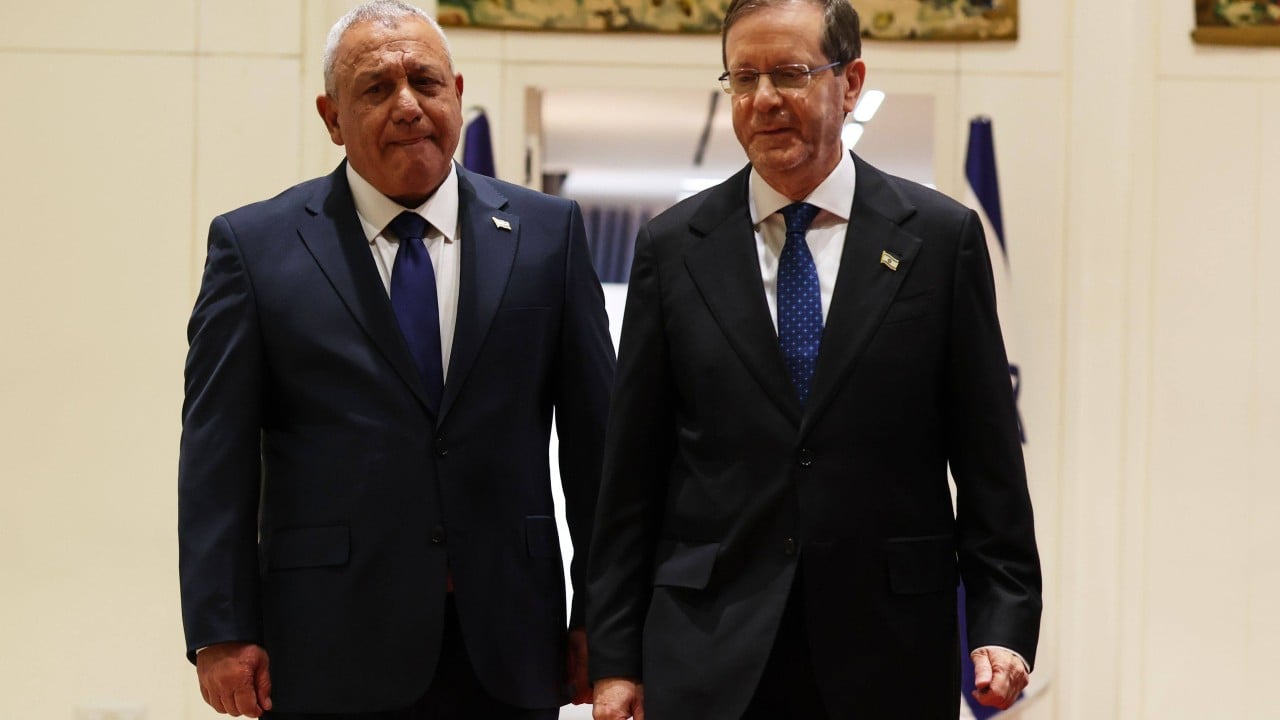
President Isaac Herzog has formally asked opposition leader Gadi Eisenkot to form Israel’s next government after election consultations gave him more recommendations than Benjamin Netanyahu. Eisenkot has 28 days, with a possible 14-day extension, but must navigate competing demands from Arab-led and ultra-Orthodox parties, as well as divisions within his own bloc.
Israeli President Isaac Herzog has formally tasked opposition leader Gadi Eisenkot with trying to form the country’s next government, giving Benjamin Netanyahu’s main rival the first opportunity to assemble a parliamentary majority after a deeply divided election. Eisenkot, leader of the centrist Yashar party and a former military chief, received recommendations from 67 members of the Knesset, compared with 46 for Netanyahu, according to DW. Netanyahu’s Likud won 27 seats in the October election, ahead of Yashar’s 21, but neither side secured enough support to govern alone.
The bloc aligned with Netanyahu’s religious-nationalist allies holds 53 seats, while Eisenkot’s anti-Netanyahu bloc has 48. The two Arab-led parties hold the remaining 19 seats and made historic gains amid high turnout in Arab and Palestinian communities. A government requires at least 61 seats in the 120-member Knesset.
Herzog said consultations had shown the clearest support for Eisenkot as the politician most able to form the next government. He urged the incoming administration to address major security and regional challenges, including Iran, Gaza and negotiations involving Lebanon and other neighbours. Eisenkot pledged to seek a national emergency government and said the country could not afford endless election cycles.
His mandate lasts 28 days, with the president able to grant a further 14 days. Other reports describe the same period as up to six weeks. If Eisenkot fails, Herzog can give Netanyahu a chance; failure by both could lead to another election.
The easiest route mathematically may involve Arab-led parties, but it is also politically fraught. Ra’am has said it would support Eisenkot, while the Joint List has offered support from outside a coalition. Ra’am was the first Arab party to join an Israeli governing coalition, in 2021, but the Joint List has not previously joined one.
Several of Eisenkot’s partners, including the conservative Yisrael Beytenu, oppose a coalition with Arab-led parties. Eisenkot has set conditions for potential partners, including recognition of Israel as a Jewish and democratic state, acceptance of its declaration of independence, support for military, national or civil service for all citizens and recognition of Hamas as a terrorist organisation. It remains uncertain whether Arab parties would accept those terms, and cooperation could also conflict with their opposition to Israel’s wars and settlement policy.
The ultra-Orthodox parties offer another possible route but demand preservation of exemptions from military service. Eisenkot and his allies campaigned on equal service and ending those exemptions, which have become especially contentious during three years of war. A power-sharing arrangement with Netanyahu is another option, though the reports describe such coalitions as fragile.
Netanyahu has called for national unity while also accusing Arab parties of having “stolen” the election, a claim the election authorities and Herzog have rejected as unsupported and immaterial to the result.
Vertrix News compared the attributed reports listed below and wrote this independent synthesis. Claims remain attributed where independent verification was unavailable.
Sources
- DW
- South China Morning Post
- France 24
- ABC News US