Flood insurance coverage falls as US flood risk grows, AP analysis finds
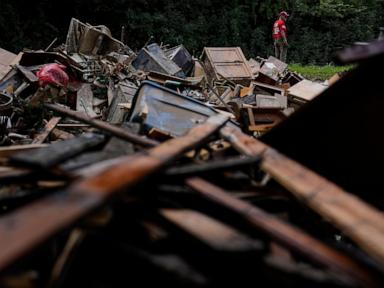
Only 2.4% of US properties have federal flood insurance, despite 8.4% facing severe or extreme flood risk, according to an Associated Press analysis. Policies have fallen by about 500,000 in five years as prices rise, while outdated maps leave many high-risk communities without required coverage.
Flood insurance coverage in the United States is declining even as climate change increases the risk of severe flooding, according to an Associated Press analysis of federal data. Only 2.4% of properties nationwide are covered by one of the 4.5 million federal flood insurance policies, while 8.4% are at severe or extreme risk of flooding. The number of policies has fallen by roughly 500,000 over five years.
The analysis found that price increases are contributing to the decline. The coverage gap is especially pronounced in poorer areas, where residents may face high flood risk but lack the means to buy insurance. In eastern Kentucky, some ZIP codes have coverage on no more than 5% of properties even though hundreds or thousands of buildings are at extreme risk, according to federal figures and data provided to the AP by First Street.
In the area affected by the state’s devastating 2022 flood, only 2.1% of properties were insured, while about 47% faced severe or extreme risk. Federal flood maps also fail to capture some risks, particularly flooding caused by heavy inland rainfall. In the 2022 Kentucky disaster, only 18% of buildings struck were located in areas classified as high risk by FEMA’s maps.
The National Flood Insurance Program, created in 1968, provides coverage in participating communities that adopt flood-risk measures. Homeowners’ insurance generally does not cover flooding. Federal policies typically cover up to $250,000 for a home and $100,000 for belongings.
Proposals to overhaul the programme, including measures to make insurance more affordable for low-income households, have stalled. Jeffrey Schlegelmilch of Columbia University’s National Center for Disaster Preparedness said there was broad agreement that the programme was failing, but no consensus on how to repair it. The AP reported that climate change is strengthening hurricanes and worsening heavy rainfall in areas far from the coast, increasing the consequences of the insurance gap.
This independently written report is based on information supplied by the named publisher. Vertrix News has not independently verified the source report.