Germany’s data-centre expansion draws local resistance over resource use
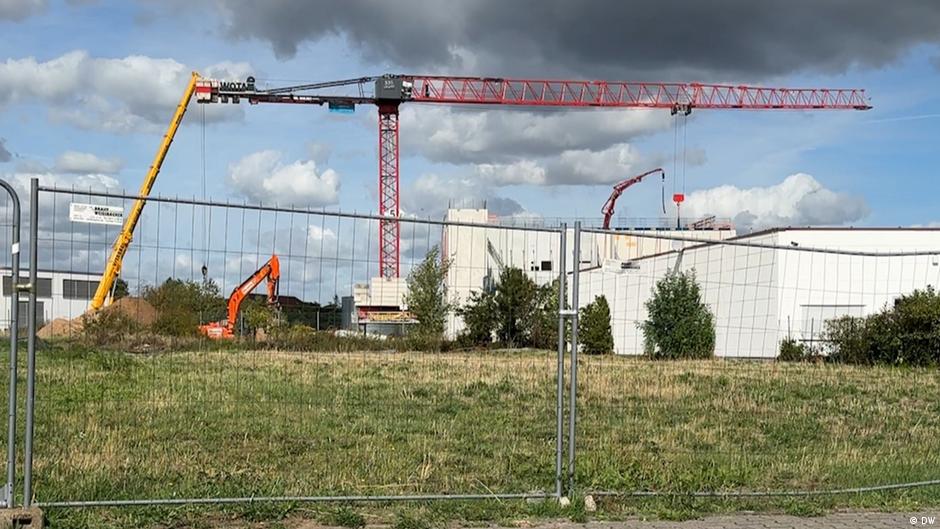
Germany’s plan to double data-centre capacity by 2030 is meeting opposition in communities around Frankfurt, where residents are concerned about electricity, water use, heat and limited local benefits. The federal government wants to relax some rules, while environmental and left-wing parties question the scale and impact of the expansion.
Germany’s ambition to double data-centre capacity by 2030 is intensifying a debate over electricity, water and the local benefits of facilities that support the country’s growing digital economy. Dietzenbach, near Frankfurt, has become a focal point. Google, EdgeConnex and Maincubes have reserved sites there, while plans for a fourth large data centre have prompted resistance from residents.
Data centres require continuous power and substantial cooling, which can consume large quantities of water. Local activist Wilhelm Sauer said residents wanted clearer information about the benefits for the community and the environmental consequences. Activists fear that pressure on regional resources, higher utility costs and additional heat may outweigh the jobs created.
Dietzenbach mayor Dieter Lang said the Google facility could bring about 100 high-value jobs and a substantial tax contribution. Tara Merk of the Weizenbaum Institute was more cautious, telling DW that profits earned by facilities operated by US companies might be taxed elsewhere. The federal government launched a registry in August 2026 containing information on energy use, water use and efficiency measures at operating data centres.
However, the registry covers about 300 facilities, compared with the government’s estimate of roughly 2,000 in the country. Environmental group BUND said some companies reported smaller projects but not larger ones. The Heisse Luft initiative has created an online map of planned facilities using information supplied by local communities.
Germany is Europe’s largest data-centre market by capacity and number of sites. More than one-third of its capacity is in the Frankfurt/Rhine-Main region, whose connectivity to Frankfurt’s DE-CIX internet exchange makes it attractive to cloud operators. The coalition government has proposed amendments to the Energy Efficiency Act.
The changes would delay renewable-energy targets and ease requirements for reusing waste heat. The Greens question whether the expansion reflects genuine demand, while the Left opposes the growth and both parties criticise proposed regulatory relaxations. The AfD supports expansion but objects to requirements encouraging renewable power.
This independently written report is based on information supplied by the named publisher. Vertrix News has not independently verified the source report.