Germany’s east-west wealth gap continues to shape political identity
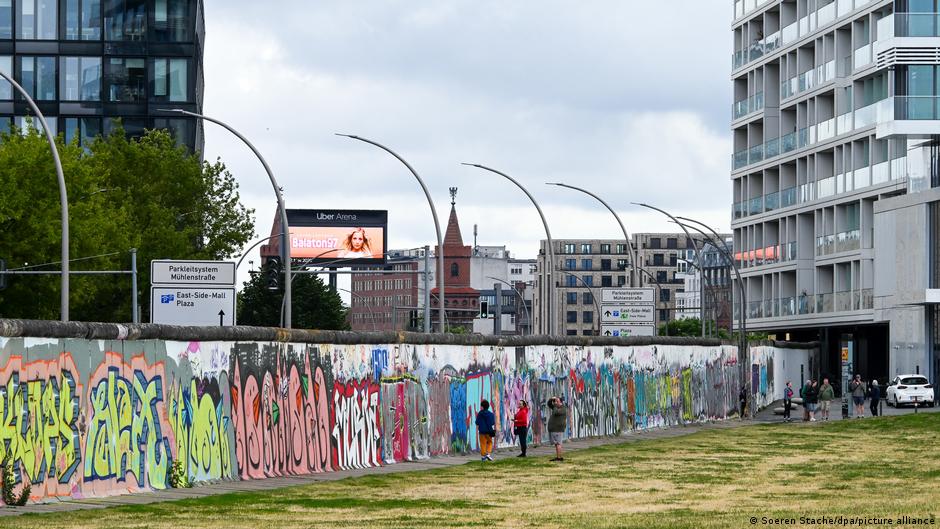
Germany’s eastern states remain poorer and underrepresented in senior positions decades after reunification, according to Eastern Germany Commissioner Elisabeth Kaiser. She says restricted opportunities to build private wealth have limited mobility, while the absence of eastern voices in influential institutions is helping create a distinct political and cultural identity.
Thirty-six years after German reunification, differences in wealth, representation and social mobility continue to influence how many people in the country’s eastern states see themselves, according to Elisabeth Kaiser, the Federal Government Commissioner for Eastern Germany. Kaiser said East Germans still earn less on average, receive smaller pensions and own less property than people in western Germany. A study she presented in Berlin links the disparity to decades in which private entrepreneurship and investment opportunities were more limited in the former German Democratic Republic.
As a result, Kaiser said, families in eastern Germany were unable to acquire or pass on as much wealth. She also cited early findings from the latest Deutschland-Monitor survey, according to which about two-thirds of respondents nationally believe that wealth, personal connections and social background strongly influence financial and social mobility. East Germans remain underrepresented in senior positions.
Kaiser said their share among executives in the highest federal agencies had risen from 13.9% in 2022 to 16.3% today, but declined further up the management hierarchy. She called for eastern Germans to be represented wherever major decisions are made, including government, business, academia, the judiciary, culture and the media. The Elitenmonitor study, commissioned by her office and examining more than 3,000 senior positions across 12 sectors, found that eastern representation in public and private leadership roles rose only from 10.9% to 12.1% between 2018 and 2024.
It declined in business and culture. All executives at Germany’s 100 largest companies and in the military were from western Germany, the report found. Kaiser said the lack of representation was contributing to the formation of a new eastern identity.
She pointed to the Simson moped, a product associated with the former GDR, as a symbol of mobility and freedom that has been used by leading figures of the Alternative for Germany party. She warned that the party’s electoral gains could deter investors and skilled workers in sectors including semiconductors, biotechnology, healthcare, batteries and renewable energy.
This independently written report is based on information supplied by the named publisher. Vertrix News has not independently verified the source report.