History Offers Alternatives to Inevitable US-China Conflict, Analysis Says
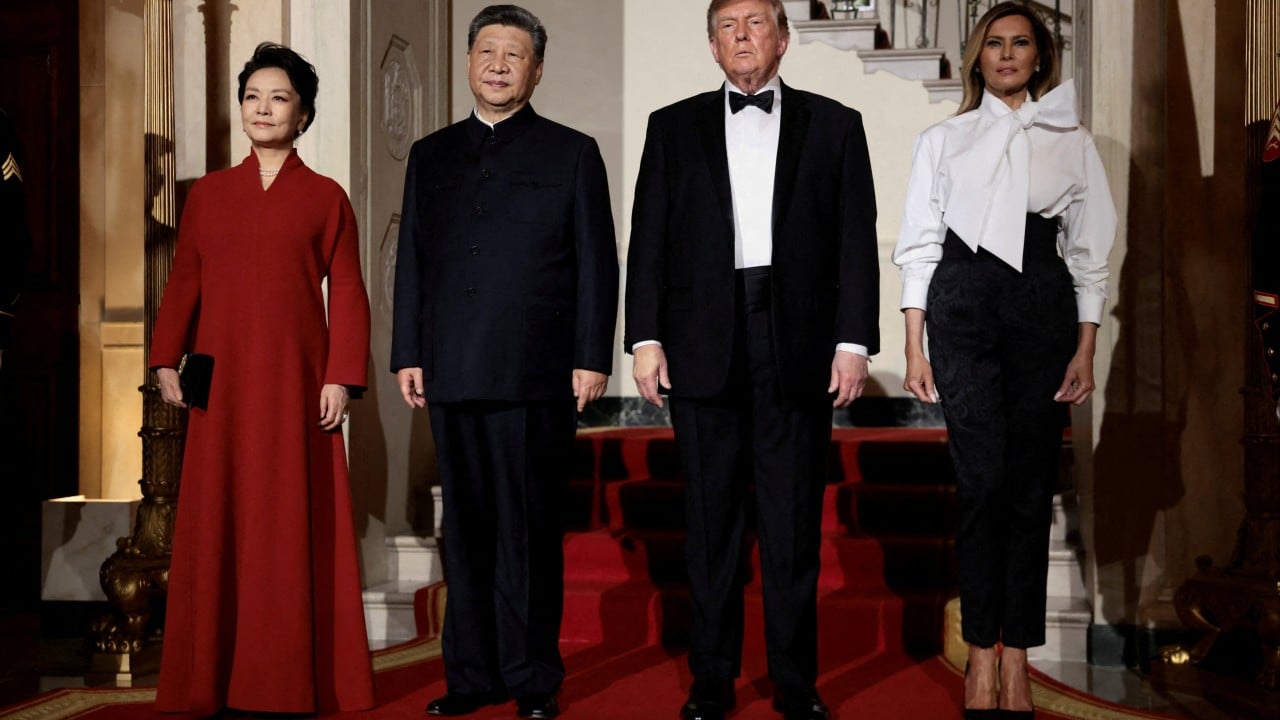
An analysis argues that rivalry between Washington and Beijing need not lead to war. Drawing on examples involving Britain and the United States, France and Germany, and Argentina and Brazil, it says accommodation, shared institutions, transparency and political restraint have helped earlier competitors manage power shifts.
Conflict between the United States and China is not inevitable, an analysis published by the South China Morning Post argues, even as the two powers compete over trade, technology and political disputes. The article says the idea of a “Thucydides Trap” can become dangerous when it is treated as a prediction rather than a warning. Standing beside US President Donald Trump, Chinese President Xi Jinping described competition as a race in which the countries catch up with one another, rather than a contest in which one must defeat the other.
The analysis acknowledges that the metaphor may not survive disputes over issues including Taiwan, tariffs, artificial intelligence, Iran and the South China Sea. It nevertheless argues that history contains examples of major rivals avoiding war during periods of changing power. Britain and the United States, the article says, faced a serious diplomatic confrontation during the 1895 Venezuela crisis.
Britain ultimately accommodated America’s growing influence in the Western Hemisphere and concentrated on protecting its most important interests rather than attempting to block the country’s rise. A different approach followed the wars between France and Germany. The two countries placed sources of competition within shared institutions, beginning with coal and steel and later contributing to the development of the European Union.
Argentina and Brazil, meanwhile, reduced tensions through greater transparency and cooperation over water resources and nuclear issues. The analysis says neither country abandoned its ambitions, but both reduced uncertainty and the risk that each side would interpret the other’s actions as a threat. The article says Washington and Beijing will need to decide what changes in influence can be accepted and what forms of restraint China could offer.
Their economic links and the interests of other countries raise the cost of confrontation, but the outcome will still depend on political will.
This independently written report is based on information supplied by the named publisher. Vertrix News has not independently verified the source report.