HKU seeks Northern Metropolis laboratories to expand research and attract talent
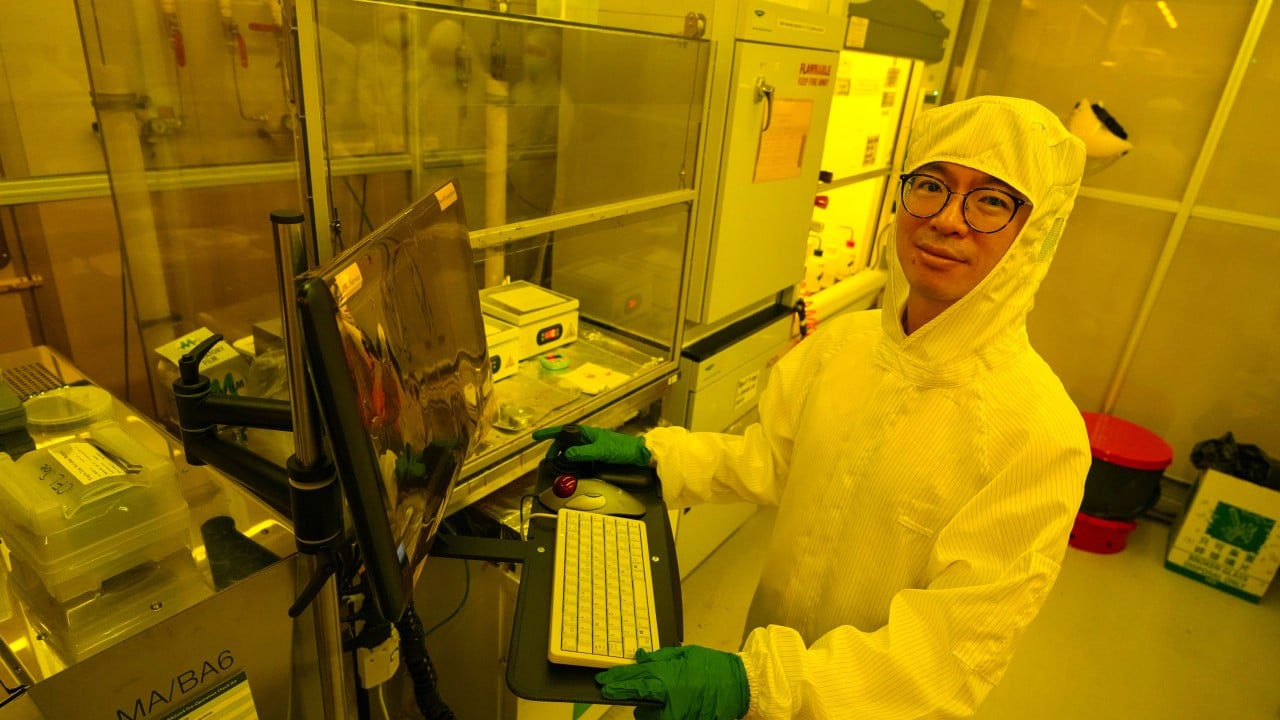
The University of Hong Kong is seeking laboratory space in Hong Kong’s planned Northern Metropolis university town, its vice-president for research said. Anderson Shum said the facilities would support biomedical, computational and artificial-intelligence research, while urging greater government funding and earlier cooperation between universities and industry.
The University of Hong Kong is seeking laboratory space in the Northern Metropolis university town as it aims to expand research capacity and attract more talent, its vice-president for research has said. Professor Anderson Shum Ho-cheung said the university needed facilities including dry laboratories for computation and data work, wet laboratories for biological and chemical experiments, and sites for artificial-intelligence research. He said research development at HKU would support the government’s aim of linking education, technology, industry and talent in the Northern Metropolis.
Shum described a cycle in which discoveries move from laboratories into industry and successful ventures generate new research questions. HKU has recently recruited two Nobel laureates, Sir Andre Geim and Ferenc Krausz, and Fields Medallist Ngo Bao Chau. Shum said leading researchers also assess whether a university has the facilities required to conduct their work.
The Northern Metropolis plan includes university towns in San Tin, Hung Shui Kiu and Ta Kwu Ling, spanning more than 1,000 hectares. The Hung Shui Kiu site is expected to be ready this year, with universities able to begin bidding this month. Shum also called for more government and university funding, saying research commercialisation could require years before producing returns.
He said support was needed for fundraising, business planning, regulatory approvals and technology transfer. HKU has launched RISE, a platform covering research funding, intellectual property, technology transfer and start-up incubation. Shum said companies should become involved early because they understood manufacturing and regulatory constraints, while universities were better placed to address scientific questions.
He will lead HKU’s Innovation Week from October 12 to 16. The event is expected to bring together more than 1,000 government, industry and academic representatives and showcase more than 120 innovations.
This independently written report is based on information supplied by the named publisher. Vertrix News has not independently verified the source report.