India’s costly new iPhones fuel debate over debt and status
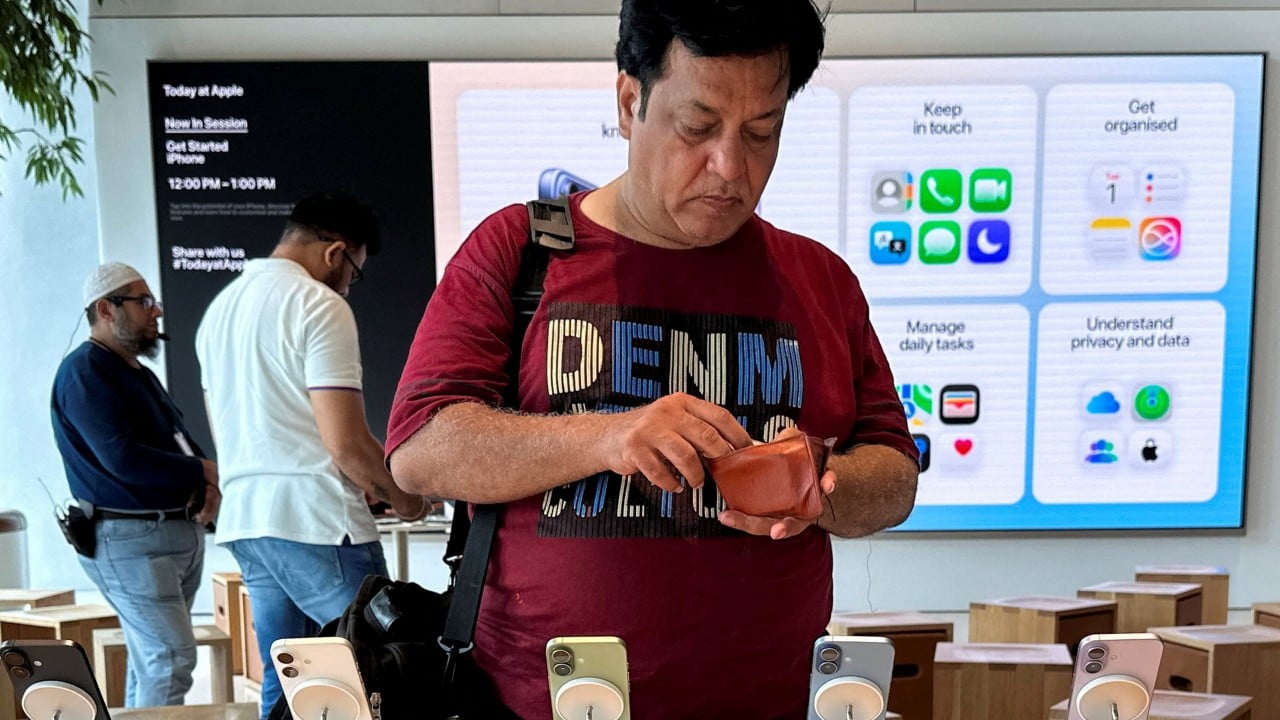
Long queues for Apple’s latest iPhones in India have highlighted the company’s growing appeal, while sparking debate about affordability, instalment borrowing and consumer debt. Analysts said the devices carry strong status value, but taxes and import costs make them substantially more expensive than in the United States.
Apple’s newest iPhone models have drawn large crowds in India, but their high prices have also prompted debate about affordability, consumer debt and status-driven spending. The iPhone 18 Pro starts at 164,900 rupees, while the Pro Max begins at 179,900 rupees. Apple’s first folding model, the iPhone Duo, reaches 449,000 rupees for its top-end version.
Tens of thousands of consumers visited Apple stores to buy the latest models. Navkender Singh, an India-based analyst for IDC, said the interest showed the strength of Apple’s brand and described the folding phone as a signal of wealth and affluence. The launch has also led to criticism on social media, particularly over the use of long-term, zero-cost instalments by consumers with moderate incomes.
One New Delhi man said he had sold jewellery inherited from relatives to buy an iPhone 18 Pro for his wife. Users compared the price of the top-end Duo with expenses including education, travel, investments, gold and household goods. A separate post argued that the purchase imposed a much heavier burden on an Indian worker than on an average US worker.
Singh said India’s 18 per cent goods and services tax contributed to the price gap. He said the Duo was likely to cost 70,000 to 80,000 rupees more in India because it was imported as a fully built unit. Analysts said the appeal was not based only on practical utility.
Samit Sinha of Alchemist Brand Consulting said Apple products also carried an emotional and aspirational value, helping explain demand despite concerns about affordability.
This independently written report is based on information supplied by the named publisher. Vertrix News has not independently verified the source report.