India’s first election rolls exposed struggle over women’s identities
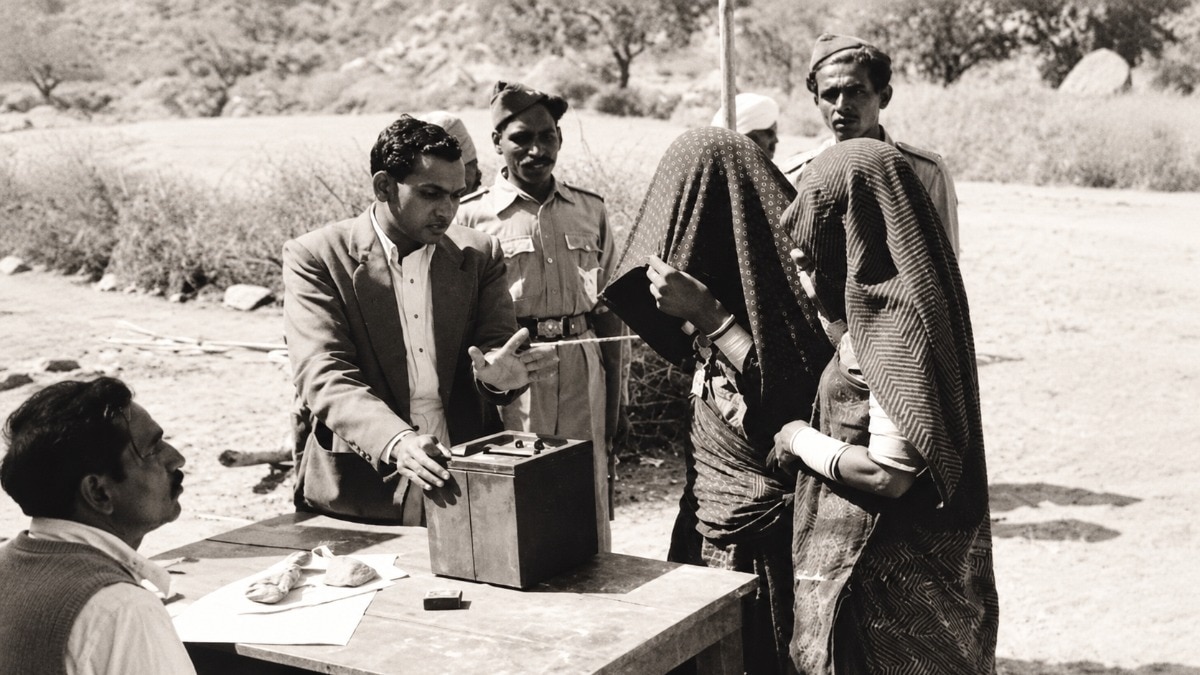
India’s first general election revealed how social customs could obstruct women’s recognition as individual voters. More than 2.8 million women were initially removed from the rolls after officials rejected entries identifying them only as someone’s wife, mother or daughter. Most were later enrolled in their own names.
India’s first general election exposed a conflict between universal adult suffrage and social practices that often identified women only through their relationships with men. The election, held in 1951-52, extended voting rights to adults aged 21 and above regardless of wealth, literacy or gender. At least 17 crore people, including about eight crore women, were expected to vote in the first general election after India became a republic.
Preparing the electoral rolls, however, revealed that some women had been registered as someone’s wife, mother or daughter rather than by their own names. The practice reflected local customs and earlier colonial rules that had allowed women to be listed through male relatives. Sukumar Sen, India’s first Chief Election Commissioner, directed officials to replace such descriptions with women’s names.
He regarded the practice as a relic that denied women recognition as individual citizens, according to material cited from historian Ramachandra Guha and academic research. Many women resisted giving their names to officials, and 2.8 million entries were removed during the process. A study by Nilay Kumar Saha, cited in the source, said Sen personally met many of the affected women and that 85% were enrolled under their own names before the second general election in 1957.
The episode has acquired new relevance amid current allegations that eligible voters may be wrongly excluded during the Election Commission’s Special Intensive Revision of electoral rolls. The Congress has demanded the removal of Chief Election Commissioner Gyanesh Kumar, alleging partisan conduct and disenfranchisement. The Election Commission has rejected the allegations, saying its SIR orders had the approval of all three commissioners and defending an additional declaration attached to Form 6.
The earlier episode and the current dispute are different, but both centre on how electoral machinery defines and recognises citizens.
This independently written report is based on information supplied by the named publisher. Vertrix News has not independently verified the source report.