Israel’s president gives Gadi Eisenkot first chance to build government after deadlocked election
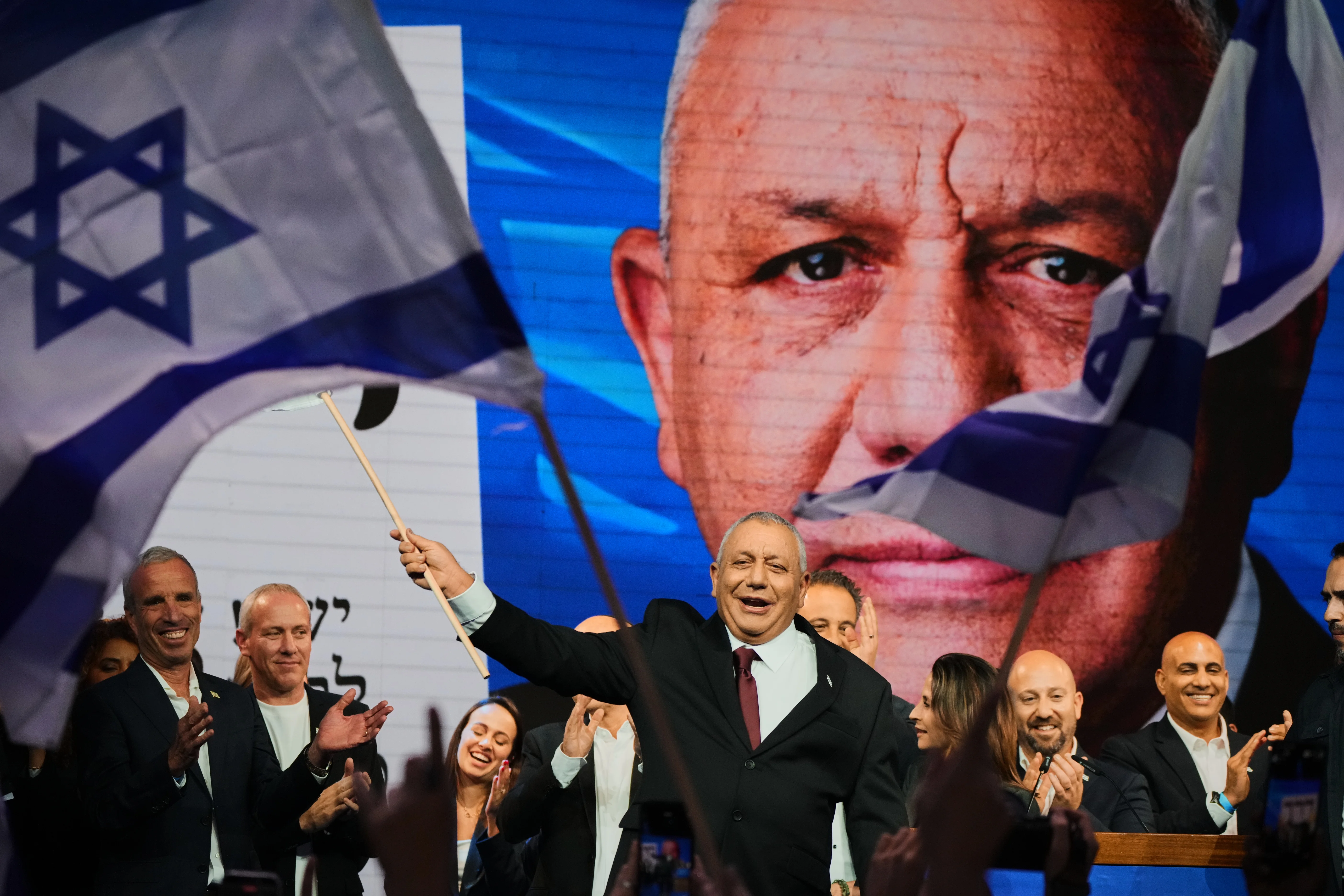
President Isaac Herzog has asked opposition leader Gadi Eisenkot to try to form Israel’s next government after an election left neither his bloc nor Benjamin Netanyahu’s alliance with a parliamentary majority. Eisenkot has the first opportunity, but coalition negotiations are expected to be difficult, with Arab-led parties holding potentially decisive support.
Israeli President Isaac Herzog has chosen opposition leader Gadi Eisenkot to form the next government, giving Prime Minister Benjamin Netanyahu’s main rival the first opportunity to break a parliamentary deadlock, according to Al Jazeera, NPR, Sky News and other reports. The decision followed elections on October 27 in which neither Netanyahu’s religious-nationalist bloc nor Eisenkot’s opposing alliance won the 61 seats required for a majority in the 120-member Knesset. India Today reported that Netanyahu’s bloc secured 53 seats, while Eisenkot’s four-party Jewish-led bloc had 48.
Eisenkot received 67 recommendations from lawmakers during Herzog’s consultations, compared with 46 for Netanyahu, India Today said. The numbers give Eisenkot the mandate to negotiate but do not mean he already has enough support to govern. Reports differ on the precise timetable.
South China Morning Post said Eisenkot had up to six weeks to form a coalition, while India Today reported that he would receive 28 days, with the president able to grant a further 14 days. The same report said the wider process could last about 100 days before another election became possible. Eisenkot, a former military chief and leader of the Yashar party, has several possible routes to a majority.
One is a minority government relying on outside support from Arab lawmakers. Two Arab parties won a combined 19 seats and backed him during the presidential consultations, but such an arrangement would be politically contentious. Another possibility is a broad unity government involving Netanyahu’s Likud, which won 27 seats and remained the largest single party.
India Today reported that Eisenkot has repeatedly said he would not serve in a government led by Netanyahu, making that option particularly difficult. Eisenkot has set conditions for potential partners, including recognition of Israel as a Jewish, democratic, liberal and egalitarian state, support for military or national service for all citizens, and recognition of Hamas as a terrorist organisation alongside support for destroying its military and governing capabilities in Gaza. Netanyahu has responded by calling for a national unity government and warning against an administration dependent on Arab parties.
India Today quoted him referring to Arab lawmakers as “terrorism supporters”, while South China Morning Post reported that he accused them of having “stolen” the election without providing evidence. The coalition talks will take place amid deep disagreements over the Gaza war, religious parties’ demands for ultra-Orthodox draft exemptions and calls for an investigation into security failures surrounding the October 7, 2023 attacks. If Eisenkot fails, another candidate can be given the opportunity to form a government.
Vertrix News compared the attributed reports listed below and wrote this independent synthesis. Claims remain attributed where independent verification was unavailable.
Sources
- Al Jazeera
- NPR
- Sky News
- South China Morning Post
- India Today