Kenya records second Ebola death as authorities report no community spread
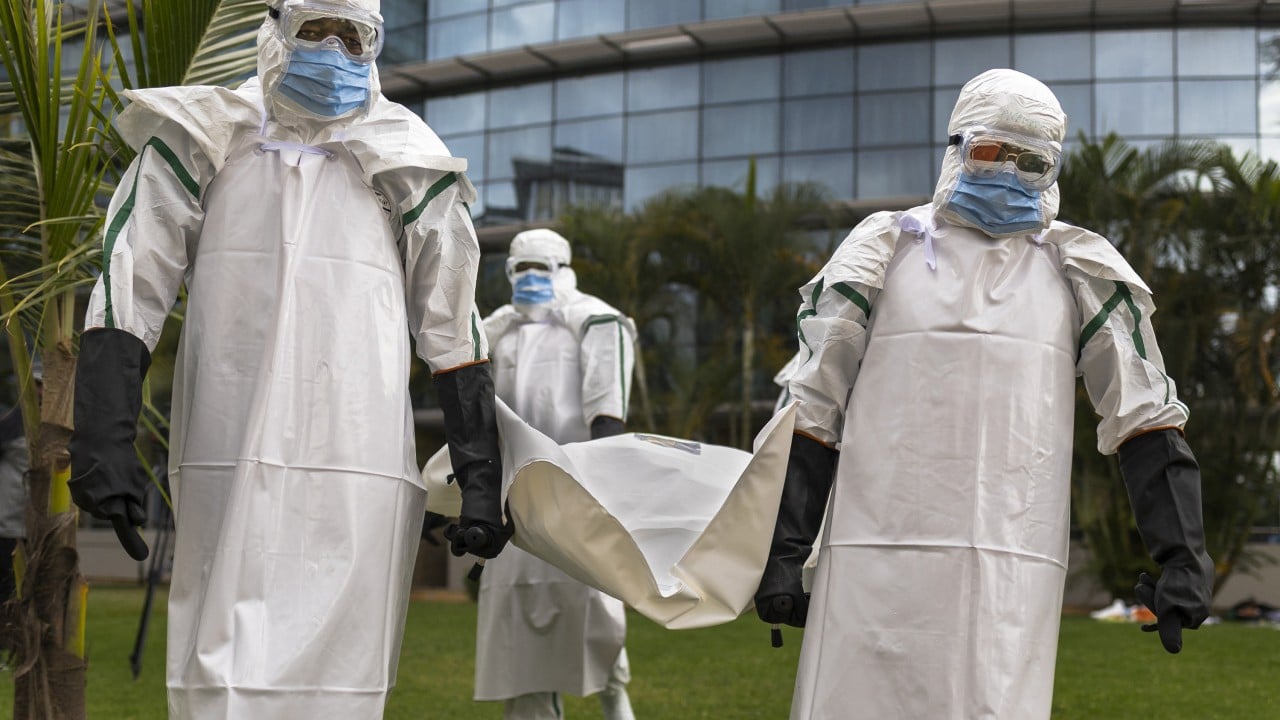
Kenya has reported a second Ebola death, involving a 65-year-old woman who was a close relative of the country’s first recorded patient and developed symptoms while in quarantine. Seven patients remain under treatment, while officials say all confirmed cases belong to one cluster with no evidence of community transmission. The wider outbreak has reached four African countries.
Kenya has recorded its second Ebola death after a 65-year-old woman died in Nairobi, the Health Ministry said Friday. The woman was a close relative of the country’s first patient and developed symptoms while in quarantine, according to reports from DW, Al Jazeera and the South China Morning Post. She began receiving supportive care at an infectious disease unit after becoming ill about 10 days ago.
The ministry said medical staff had done everything possible to save her life and that a safe and dignified burial would be arranged with her family. Seven other Ebola patients remain under treatment at two isolation facilities, according to Al Jazeera and the South China Morning Post. Kenya’s Health Ministry said the cases were part of a single cluster and that there was “no evidence of community spread”.
The ministry has traced 135 contacts linked to the first patient. The reports differ slightly in how they describe the resulting numbers: DW said 118 people were placed in quarantine and eight tested positive, while Al Jazeera said nine infections had been confirmed among the contacts, including the two people who died. The discrepancy was not explained.
Kenya announced its first case this month after a 40-year-old Kenyan man living in the Democratic Republic of the Congo travelled through Uganda and arrived in Kenya on October 3. He tested positive on October 5 and died that day. The South China Morning Post said some contacts who complete 21 days without symptoms are due to begin leaving quarantine on Saturday.
The current outbreak has spread beyond the DRC to Uganda, Kenya and Nigeria. Nigeria reported its first case earlier this week in the wife of an employee at Switzerland’s embassy in Abuja after she returned from Uganda. Nigerian Health Minister Muhammad Ali Pate said genetic analysis showed that virus to be closely related, or highly similar, to the virus found in Kenya’s index case.
The source of the Nigerian infection remained under investigation. DW reported that the Africa Centres for Disease Control and Prevention had suggested the woman might have encountered Kenya’s first patient at an airport because both travelled from Uganda on the same day. Switzerland’s Foreign Ministry denied Ugandan reports that she had visited the DRC.
The outbreak began in the DRC in May. Al Jazeera described it as the widest geographic spread of Ebola in Africa to date, while DW cited World Health Organization figures through October 20 showing more than 9,700 confirmed infections and 4,690 deaths. Al Jazeera gave lower totals for the DRC outbreak, reporting more than 9,000 cases and more than 4,600 deaths; the reports do not explain the difference in counting periods or definitions.
The disease is caused by direct contact with bodily fluids from infected people or contaminated materials, according to the South China Morning Post. The outbreak involves the Bundibugyo species, which DW said has no approved vaccine or specific treatment. Uganda, which had previously reported 20 infections and two deaths before being declared Ebola-free in August, has announced restrictions on transit for travellers with a history of travel to the DRC.
Kenyan authorities’ emphasis remains on quarantine and isolation, with officials continuing to say that transmission has not spread through the wider community.
Vertrix News compared the attributed reports listed below and wrote this independent synthesis. Claims remain attributed where independent verification was unavailable.
Sources
- DW
- Al Jazeera
- South China Morning Post