Kites and floating scarecrow cut seabird deaths in Cornish fishing trial
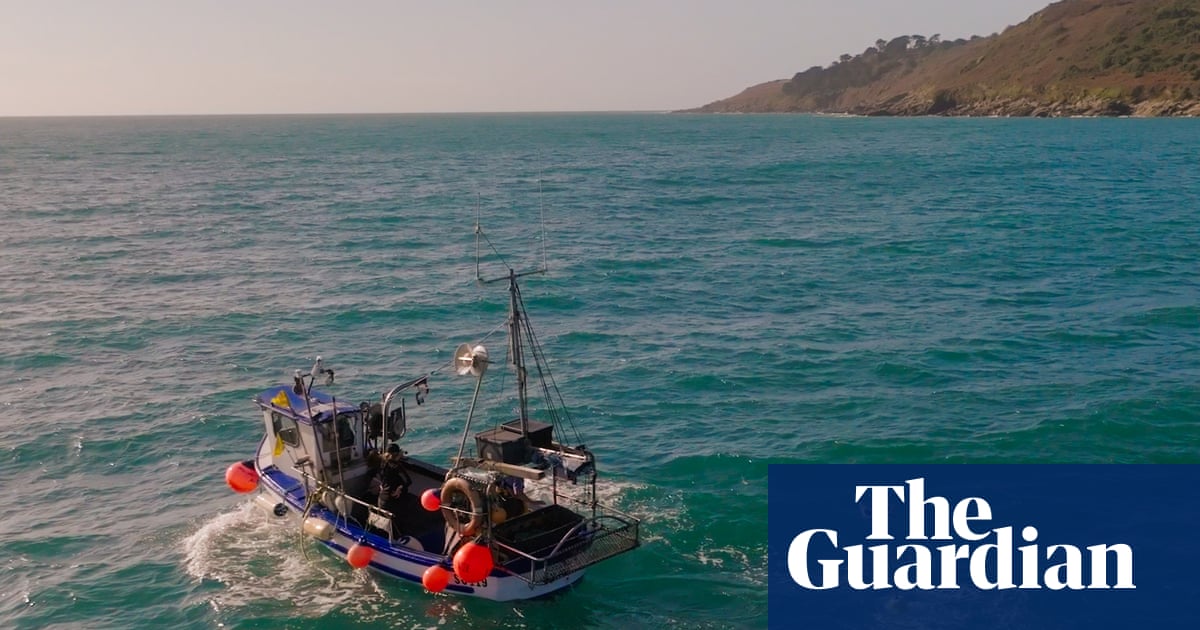
A two-year study involving Cornish fishers found that bird-shaped kites reduced the chance of seabirds becoming trapped in gillnets by 71 per cent, while a floating device with large eyes achieved a 59 per cent reduction. Researchers say the measures could support safer fishing without disrupting operations.
Bird-shaped kites and a floating device designed to scare birds away from fishing nets have substantially reduced seabird bycatch in a two-year trial off Cornwall, according to research published in Conservation Letters. The study tested a commercially available scarybird kite and a looming-eyes buoy, or LEB. The buoy has a spinning head with two large eyes intended to deter diving seabirds from approaching gillnets, which hang vertically beneath the surface.
Ten Cornish fishers and Fishtek Marine, the company that created the LEB, fitted cameras to boats to observe seabird behaviour and monitor the devices’ effects. Scientists from the University of Exeter analysed the results. The research found that the probability of seabirds being caught in gillnets fell by 59 per cent when LEBs were used.
The reduction reached 71 per cent with the kites. The study also found that most seabird captures in Cornwall occurred during winter. Researchers said that finding could help fishers and conservation groups target deterrents at the periods when the risk is greatest.
An estimated 95,000 diving birds, including razorbills and guillemots, are accidentally caught in nets off European coasts each year, according to the source material. The trial focused on practical measures intended to reduce those deaths while allowing gillnet fishing to continue. Tom Horton, the University of Exeter researcher who led the study, said the results provided strong evidence that simple deterrents could substantially reduce seabird bycatch.
He said identifying when and where the risk was highest created an opportunity to direct mitigation measures more effectively. Yann Rouxel, the RSPB’s bycatch programme manager, said the findings marked progress after more than a decade of research into gillnet bycatch and possible solutions. He said the performance of the buoy and kite showed potential to reduce bycatch without impeding fishers at sea.
This independently written report is based on information supplied by the named publisher. Vertrix News has not independently verified the source report.