Laotian deportee released from eSwatini prison after more than a year
Phone Chomsavanh, a Laotian citizen sent by the United States to eSwatini in July 2025, has been released from prison and is travelling to Laos, his lawyer said. Chomsavanh’s release highlights criticism of the US third-country deportation programme, which rights groups say lacks transparency and due-process safeguards.
A Laotian citizen deported by the United States to eSwatini has been released from a maximum-security prison after more than a year in detention, his lawyer has said. Phone Chomsavanh was among five immigrants sent to eSwatini in July 2025 under the US administration’s third-country deportation programme. His lawyer, Tin Thanh Nguyen, said Chomsavanh learned his destination shortly before the military aircraft carrying the group landed there.
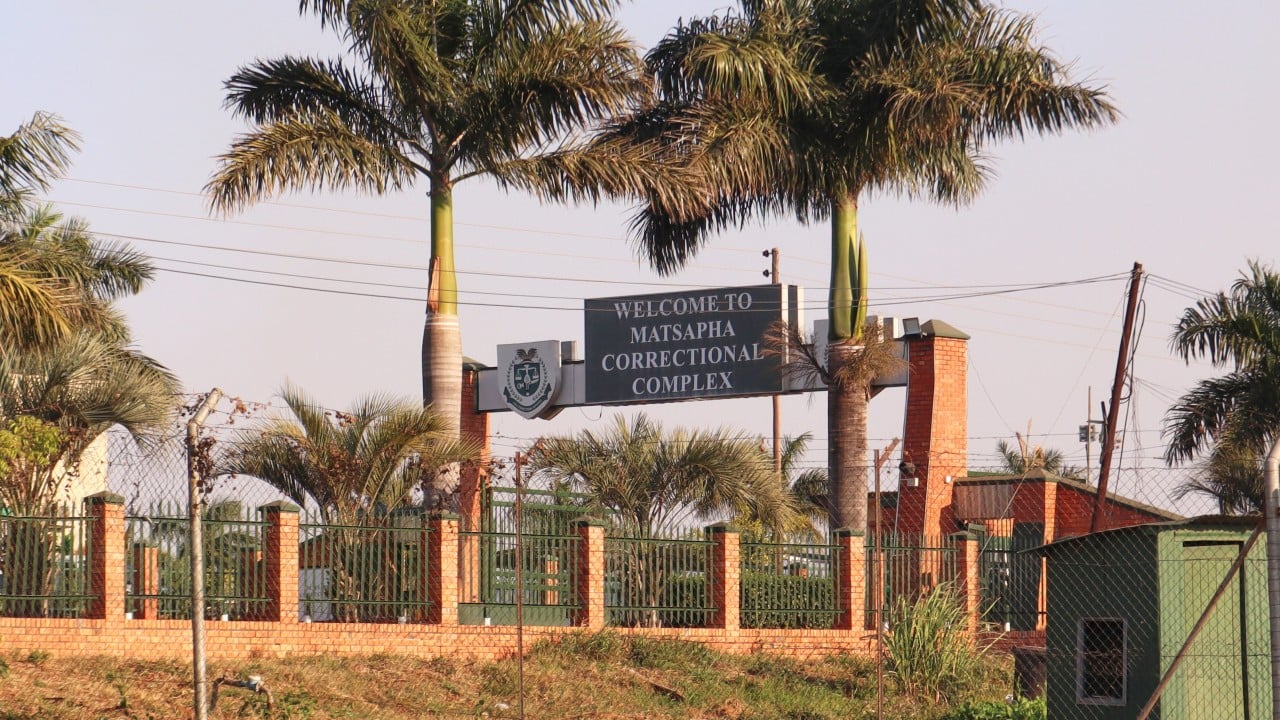
Nguyen said Chomsavanh had served his US sentence before being transferred to the Matsapha Correctional Complex, despite having no connection to eSwatini and not being accused of a crime there. He said Chomsavanh had since left eSwatini and travelled to Johannesburg en route to Laos. The eSwatini government had not immediately acknowledged the release.
Chomsavanh was born in a refugee camp in Thailand after his parents fled Laos and moved to the United States when he was seven, according to his lawyer. Advocacy groups Human Rights First and Refugees International estimate that about 500 immigrants have been sent from the United States to African countries that are not their home nations since the programme began. Around a dozen African countries have accepted deportees, some in return for payments.
The source material says eSwatini received US$5.1 million under its agreement with the Trump administration and has accepted about 30 deportees. Rights groups and lawyers have criticised the policy because people are held in countries where they have no ties and have not been charged. A US appeals court recently upheld a ruling blocking the programme on the grounds that affected immigrants were not given time to challenge removal to a third country where they might face persecution or torture.
The Supreme Court has temporarily allowed the administration to continue removals while it considers the case.
This independently written report is based on information supplied by the named publisher. Vertrix News has not independently verified the source report.