Malaysia and China deepen research links in green technology and semiconductors
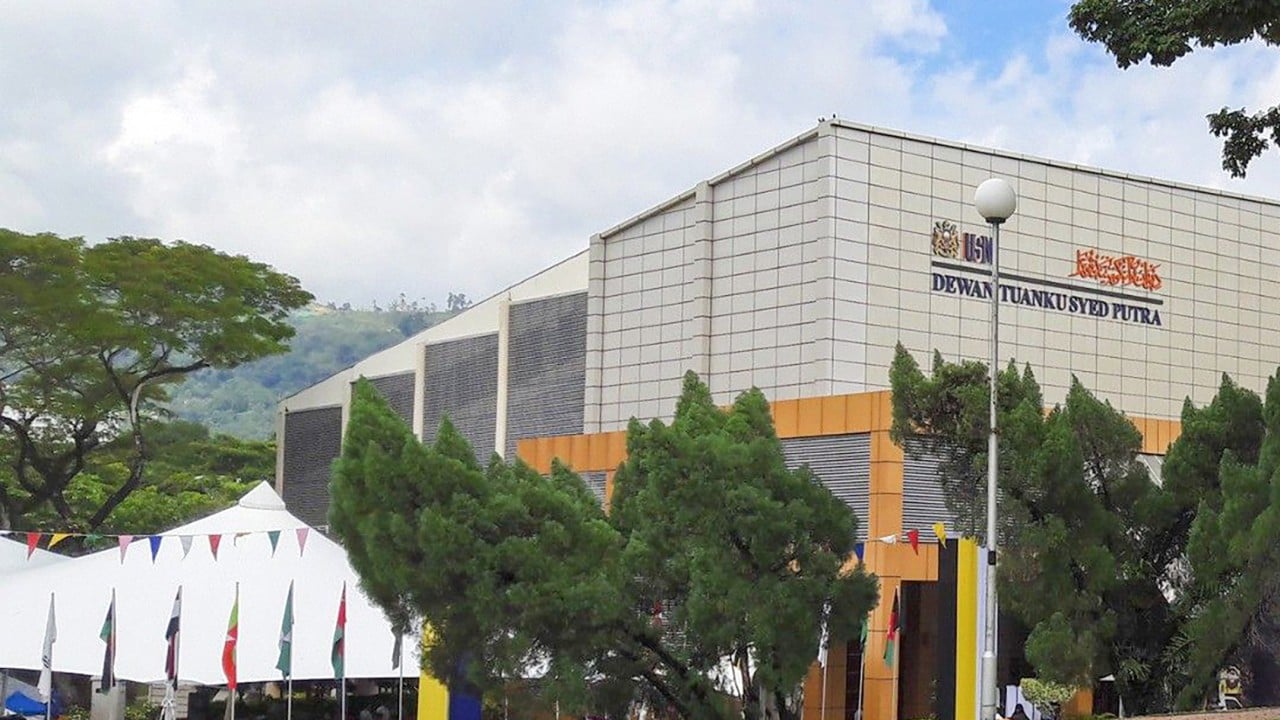
Researchers at Universiti Sains Malaysia say partnerships with Chinese institutions are expanding as Malaysia diversifies its scientific networks. Projects include converting palm-oil waste into renewable chemicals, developing low-carbon materials and co-designing radiation-resistant solar cells for satellites.
Researchers in Malaysia and China are expanding cooperation in areas including sustainable materials, energy technology and semiconductors, according to scientists at Universiti Sains Malaysia. Ahmad Zuhairi Abdullah, a chemical engineering professor at USM, said the centre of scientific activity had shifted eastward during his two decades at the university. He said Chinese scientists and students were now increasingly involved in study, research and collaboration in Malaysia.
Zuhairi described China as particularly advanced in materials science and said its institutions were increasingly open to partnerships with Southeast Asian researchers. He said some Chinese provincial funding programmes required participating scientists to work with researchers from the region. A joint laboratory opened in January by USM and Huaqiao University in Fujian is examining ways to turn organic waste and plant material into useful products.
The work includes sustainable energy materials and low-carbon technologies. One focus is Malaysia’s palm-oil waste, including pressed fibre and kernel shells. Zuhairi’s team is developing catalysts to break down lignin, a major plant biopolymer, into smaller molecules that can be used to make products such as adhesives and fuel additives.
Cooperation also extends to advanced hardware. USM’s Institute of Nano Optoelectronics Research and Technology has partnerships with several Chinese universities in semiconductor research, alongside ties with institutions in Japan, Saudi Arabia, Germany and France. Institute director Mohd Zamir Pakhuruddin said no single country could complete the full semiconductor value chain alone.
Malaysia’s 2024 National Semiconductor Strategy aims to move the country beyond assembly and testing towards integrated-circuit design, higher-end manufacturing and specialist equipment. Zamir said Malaysia was not choosing sides amid US-China technology competition, but diversifying its international partners. USM and China’s Harbin Institute of Technology are jointly developing radiation-resistant space solar cells for low Earth orbit satellites, under agreed terms defining the scope of cooperation.
This independently written report is based on information supplied by the named publisher. Vertrix News has not independently verified the source report.