Malaysian doctors’ group calls for action over reported East Malaysia no-shows
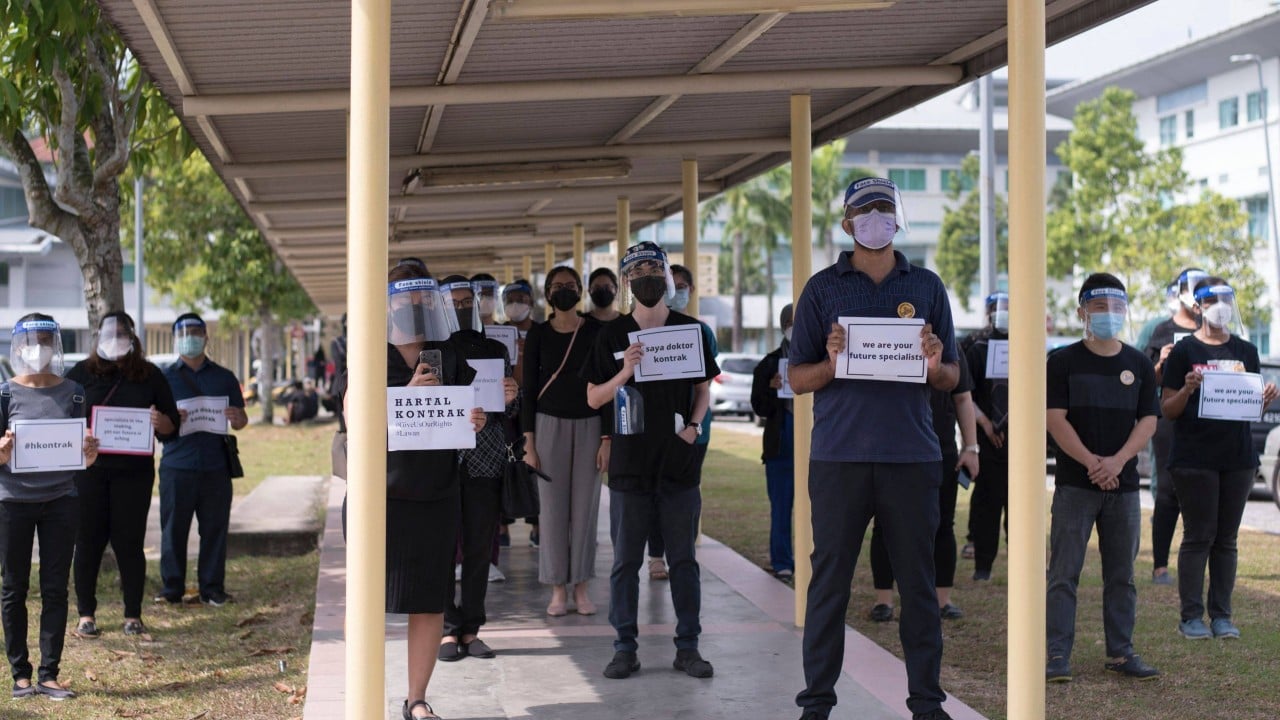
The Malaysian Medical Association has urged the government to verify reports that up to 76 per cent of medical officers assigned to permanent posts in Sabah and Sarawak did not report for duty. It is calling for stronger allowances, relocation support, housing and career incentives to improve recruitment and retention.
The Malaysian Medical Association has urged the government to investigate reports of high no-show rates among medical officers assigned to permanent postings in Sabah and Sarawak, saying some facilities received no new doctors. MMA president Sivanaesan Letchumanan said reported no-show rates at some facilities ranged from 70 per cent to 76 per cent. He called on the authorities to verify the figures and publish official data.
Sivanaesan said the reports showed that contract medical officers were declining permanent postings and warned that working conditions in East Malaysia were discouraging healthcare professionals. He said doctors could face relocation far from their families, substantial moving costs, understaffed facilities, demanding workloads and inadequate accommodation or support in some areas. The MMA president said the issue was not simply a question of permanent or contract employment.
Workforce shortages and retention strategies had also been discussed during a meeting with Sarawak Deputy Premier Sim Kui Hian, he said. The association has called for the return of a percentage-based regional incentive payment and the introduction of a dedicated East Malaysia service allowance, alongside additional incentives. It also wants relocation assistance to reflect actual costs and to be paid before doctors move.
For doctors whose long-term plans involve working in Peninsular Malaysia, the MMA proposed fixed time limits for East Malaysia postings and a transparent transfer process after those periods end. It said clearer posting terms could help make the assignments more predictable. The association also called for rural living quarters to be safe and well maintained, with dependable water, electricity, internet and transport.
It said rural service should contribute to career progression, including postgraduate training, specialist routes, promotions and future placement preferences. With Malaysia’s Budget 2027 approaching, the MMA said the government should allocate resources to healthcare incentives, living conditions and workforce retention. It repeated its call for public healthcare spending to rise to 5 per cent of gross domestic product.
This independently written report is based on information supplied by the named publisher. Vertrix News has not independently verified the source report.