Nationalist parties dominate Bosnia and Herzegovina election
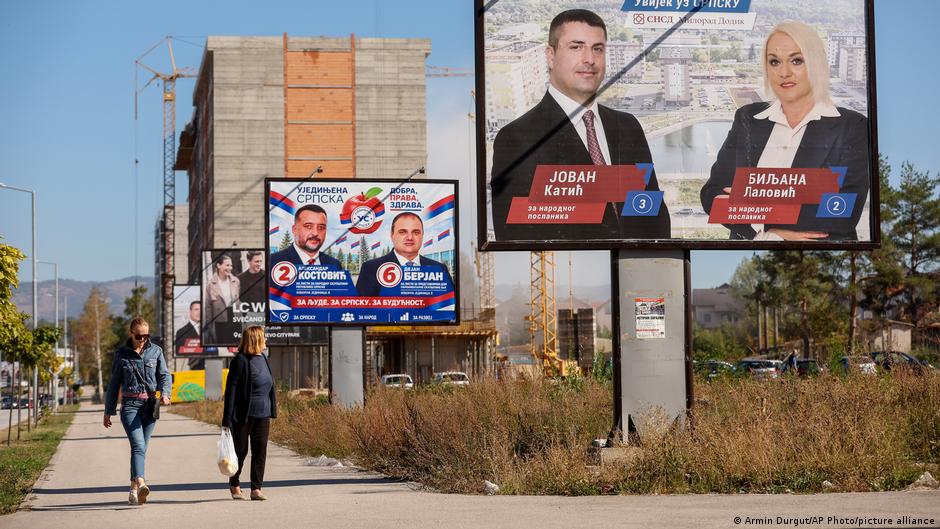
Nationalist parties won the main ethnic seats in Bosnia and Herzegovina’s tripartite presidency, while turnout fell to a record low of 41.5%, officials said. The result leaves the country facing complex coalition negotiations, continued political gridlock and unresolved disputes over the balance between central authority and its two autonomous entities.
Nationalist parties have dominated Bosnia and Herzegovina’s divisive general election, with voters choosing representatives for the country’s tripartite presidency and multiple levels of government. Officials reported that turnout was 41.5%, the lowest recorded for a general election in the country. With counting nearly complete, Serb nationalist Zeljka Cvijanovic, Bosniak moderate leftist Denis Becirovic and Croat nationalist Darijana Filipovic were announced as winners of the three presidential seats.
Cvijanovic was reported to have won 55.6% of the Serb vote, while Becirovic secured 38.1% in the Bosniak contest and Filipovic 48.2% in the Croat race. Cvijanovic was backed by Milorad Dodik, the influential former leader of the Serb-majority Republika Srpska. Dodik is barred from public office for six years following his conviction for defying the international envoy overseeing the postwar peace process.
He nevertheless declared victory for his SNSD party and said it had retained its influence in Republika Srpska. Voters also elected lawmakers and leaders for the Muslim-Croat Federation and Republika Srpska. Dodik-backed Savo Minic won the presidency of Republika Srpska, while the entity’s parliamentary share rose to 39%, from 34.6% in 2022, according to the supplied material.
The result is unlikely to produce a quick national settlement. Bosnia’s political responsibilities are divided among a weak central government, two largely autonomous entities and the Brcko district. The constitutional structure, created by the 1995 Dayton peace agreement, often leads to lengthy coalition negotiations and institutional deadlock.
The election took place amid economic weakness, slow progress towards European Union membership and persistent disputes over the future of the state. Becirovic has called for a renewed path towards the EU and NATO, but membership talks depend on reforms including stronger judicial oversight and anti-corruption legislation.
This independently written report is based on information supplied by the named publisher. Vertrix News has not independently verified the source report.