Paraguay impeaches Santiago Peña after Ueno bank collapse
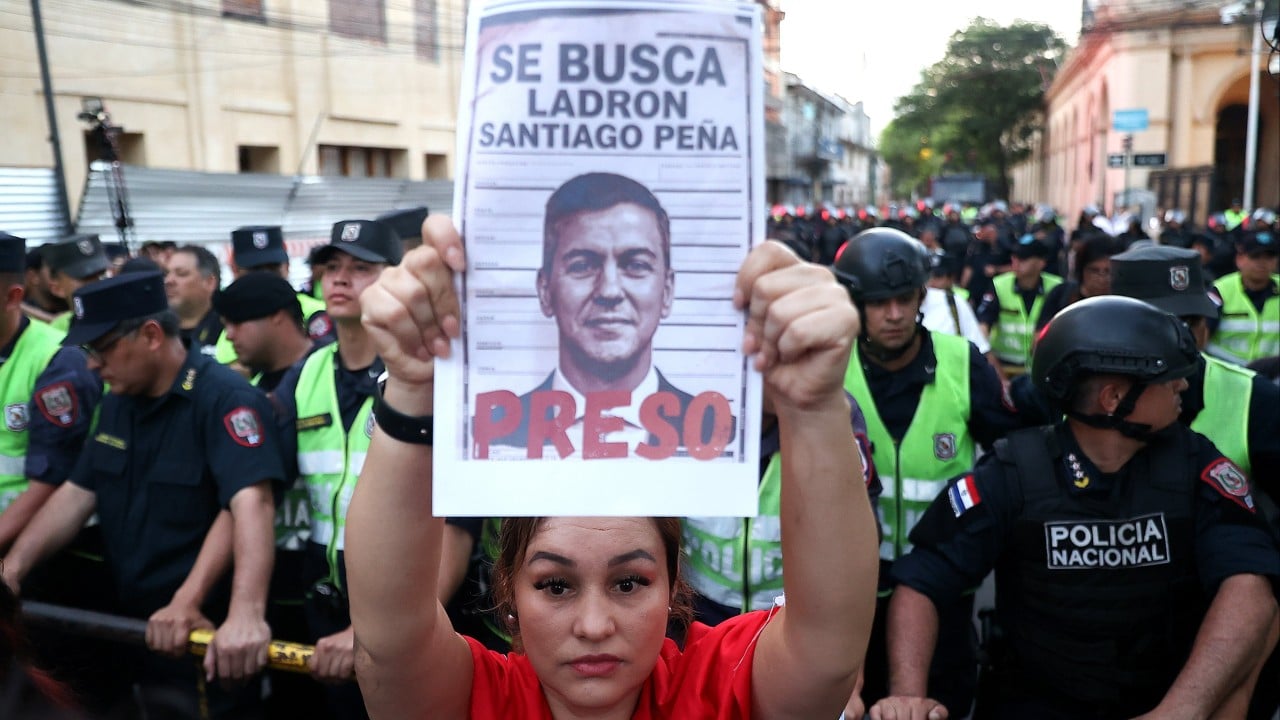
Paraguay’s Senate has removed President Santiago Peña from office over the banking crisis surrounding Ueno, leaving millions unable to access their deposits. Peña had offered to resign, but lawmakers proceeded with impeachment to strip him of post-presidential immunity. Vice-President Pedro Alliana will serve the remainder of the term through August 2028.
Paraguay’s Senate has impeached and removed President Santiago Peña following the collapse of Ueno Bank, a crisis that left around three million people unable to access their deposits. Senators voted 44 to one, with one absence, to find Peña guilty of poor performance in office. He had offered his resignation on Thursday, but lawmakers continued with the impeachment process.
That decision removed the lifetime Senate seat and immunity normally granted to former presidents, leaving Peña vulnerable to prosecution. After the vote, prosecutors ordered Peña’s arrest alongside former central bank chief Carlos Carvallo. Officials later said Peña was placed under house arrest while prosecutors decide on charges.
The investigation concerns alleged misconduct in the supervision and resolution of Ueno and the placement of public funds with the bank. Vice-President Pedro Alliana was appointed to lead the country for the remainder of Peña’s term, which ends in August 2028. Alliana said his government would not abandon depositors affected by the bank’s failure.
Ueno’s accounts were frozen after the central bank took control of the institution and found that its solvency ratio had fallen below half the required minimum. The bank’s app, card payments and transfers stopped functioning, and branches closed. Ueno handled pension payments and public-sector deposits, including about $355 million held by Paraguay’s Social Security Institute.
Lawmakers accused Peña of conflicts of interest, misuse of pension funds, institutional cover-ups and preferential treatment for Ueno. Peña had sold shares in Ueno’s parent holding company in April 2025, but legislators also cited loans he received from the bank. They questioned his appointment of Carvallo, a former chairman of Ueno’s finance company, as central bank chief.
The crisis triggered protests in Asunción and other cities. Retirees, workers, students and depositors demanded the return of their money, while employees of Ueno and associated companies protested over unpaid wages and severance. Police used tear gas and water cannons to disperse one demonstration, according to the South China Morning Post.
Authorities have arrested eight senior Ueno executives and charged 27 bank officials and associates with offences including breach of trust and attempted fraud. Prosecutors also raided the offices of technology company ITTI, part of Ueno’s parent group, and seized computers, hard drives and documents. The central bank has begun limited advance payments through its deposit-guarantee fund.
The first phase covers eligible customers owed up to about $1,600 who have another Paraguayan account to receive the funds. The schedule for further payments is to be announced progressively, leaving the wider resolution of the crisis uncertain.
Vertrix News compared the attributed reports listed below and wrote this independent synthesis. Claims remain attributed where independent verification was unavailable.
Sources
- DW
- South China Morning Post
- NDTV