Report says Chinese coal projects abroad have fallen, but private investment remains a loophole
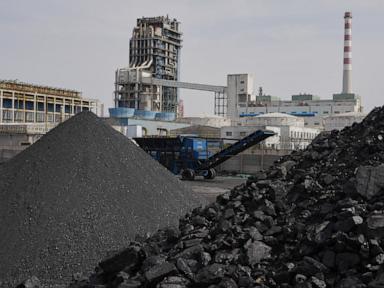
China has cancelled 67% of the overseas coal capacity it planned in 2021, avoiding an estimated 6.4 billion tonnes of lifetime carbon dioxide emissions, according to a new report. Researchers say private companies can still invest in coal, especially captive plants serving heavy industry in Indonesia and elsewhere in Southeast Asia.
China has cancelled most of the overseas coal capacity it planned in 2021, but researchers say private investment and industrial projects continue to create loopholes in its pledge to stop funding overseas coal power. A report by the Centre for Research on Energy and Clean Air and People of Asia for Climate Solutions found that China had cancelled 67% of the coal power capacity planned abroad in 2021. The cancelled projects totalled 61.5 gigawatts, which the report estimated avoided 6.4 billion tonnes of lifetime carbon dioxide emissions.
The findings offer some progress five years after President Xi Jinping told the United Nations that China would stop funding overseas coal power plants. However, experts said the pledge does not prevent private Chinese companies from investing abroad. Syahdiva Moezbar, an industry analyst with CREA, said coal expansion had not ended because of the pledge’s structure.
The report said Indonesia had the largest amount of continued China-backed coal capacity planned, at 17.1 gigawatts. Vietnam and Pakistan followed with less than 4 gigawatts each. In Indonesia, Chinese companies have helped fund coal plants designed to supply heavy industries such as nickel and aluminium smelting rather than the national power grid.
These facilities are known as captive coal plants. The report comes as Southeast Asia faces competing pressures over energy security and climate policy. The region accounts for nearly 20% of projected global energy-demand growth through 2035, according to the International Energy Agency.
The material said the Philippines, Thailand, Indonesia and Vietnam had increased coal use after an energy shock linked to the Iran war. At the same time, countries in the region are investing in rooftop solar, electric vehicles and nuclear power. Xiaojun Wang of PACS said commercial interests could undermine the benefits of China’s clean-energy leadership.
China remains the world’s largest annual carbon dioxide emitter, while also leading global production of electric vehicles, solar panels and wind turbines.
This independently written report is based on information supplied by the named publisher. Vertrix News has not independently verified the source report.