Russia investigates suspected laboratory infection after researcher’s death
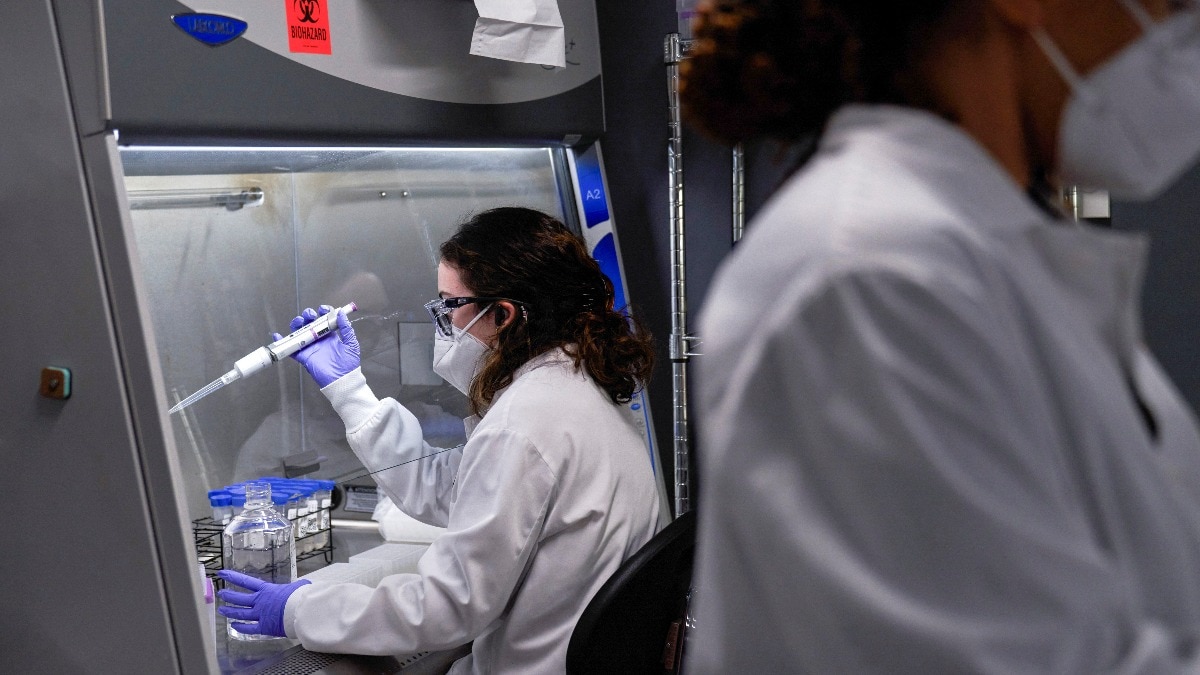
Russian authorities have placed contacts under medical observation after a researcher at an anti-plague institute died from severe pneumonia. Officials have not confirmed plague and said tests were negative among identified contacts, while reports of quarantine measures have intensified questions about the source of the infection.
Russian authorities are investigating a suspected laboratory-related infection after a 28-year-old researcher died from severe pneumonia in Siberia. The researcher, identified in reports as Darya Shipilova, worked at the Irkutsk Anti-Plague Research Institute. She was admitted to hospital on September 29 after becoming ill and died two days later while on a ventilator.
Reports said Shipilova told medical staff that she had accidentally broken a test tube containing live bacteria. She became ill during a field expedition in neighbouring Buryatia, near Russia’s border with Mongolia, before being transferred to Shelekhov Hospital. Authorities traced people who may have had contact with her.
Unofficial reports cited by CNN said nearly 200 people at the hospital were placed under quarantine, while three hospitals in the region faced quarantine measures. Officials have stressed that there is no evidence of a wider outbreak. Irkutsk Governor Igor Kobzev said identified contacts were under medical supervision, none had shown symptoms and laboratory results were negative.
Authorities have not confirmed that plague caused the illness. Buryatia’s head, Alexei Tsydenov, said it was possibly plague but also said there was no plague outbreak in the region. Former health official Gennady Onishchenko said the infection was most likely not plague, according to reports.
Russia’s chief state sanitary doctor, Anna Popova, travelled to Siberia to oversee the response. Local officials urged residents to rely on official information and avoid rumours. Pneumonic plague affects the lungs and can spread through respiratory droplets, but it can be treated with antibiotics when detected early.
The source material says the claims about the laboratory exposure and any possible cover-up remain unverified.
This independently written report is based on information supplied by the named publisher. Vertrix News has not independently verified the source report.