States turn to fuel-tax breaks as gas prices rise before midterms
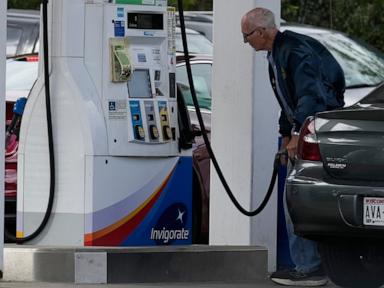
States across the country are suspending, reducing or selectively waiving fuel taxes as gasoline and diesel prices rise amid the war in Iran. Ohio lawmakers approved a 90-day gas-tax holiday, while other states have targeted drivers, farmers and transport operators. Officials and industry representatives caution that savings may not reach pumps immediately.
States across the United States are adopting temporary fuel-tax reductions and regulatory changes as rising gasoline and diesel prices become a central affordability issue ahead of the midterm elections. Ohio lawmakers on Wednesday approved a 90-day suspension of the state’s gasoline and diesel taxes. Gov.
Mike DeWine’s office said he plans to sign the measure, which would suspend a 38.5-cent-per-gallon gasoline tax and a 47-cent diesel tax for the rest of the year. The plan would use $725 million from Ohio’s general fund to cover road and bridge costs normally financed through fuel taxes. The legislation passed with broad bipartisan support after gubernatorial candidates Amy Acton and Vivek Ramaswamy promoted competing gas-tax holiday proposals.
Republican state Sen. Michele Reynolds, a co-sponsor, said the measure would give residents relief as fuel prices continued to rise. Democratic lawmakers described it as an election-year stunt and said it would save the average Ohioan about $55 over three months.
An Associated Press review found that at least one-fifth of states had implemented some form of fuel-tax relief. The average price of regular gasoline was $4.43 a gallon on Wednesday, about 50% higher than when the war with Iran began, according to AAA. Diesel averaged $6.41 a gallon.
Georgia, Indiana and Utah have also enacted temporary measures, while Illinois and Kentucky delayed scheduled tax increases. Republican governors in Alabama, Louisiana, Nebraska and Texas have targeted tax-exempt diesel for agricultural use during harvest season. Officials have warned that tax holidays may not produce an immediate, equivalent reduction at the pump.
Jeff Lenard of the National Association of Convenience Stores said taxes are generally applied upstream, and retailers may still be selling fuel purchased under earlier tax rules. Price volatility could also offset some savings.
This independently written report is based on information supplied by the named publisher. Vertrix News has not independently verified the source report.