Swiss glaciers lose almost one-fifth of mass in five years, researchers say
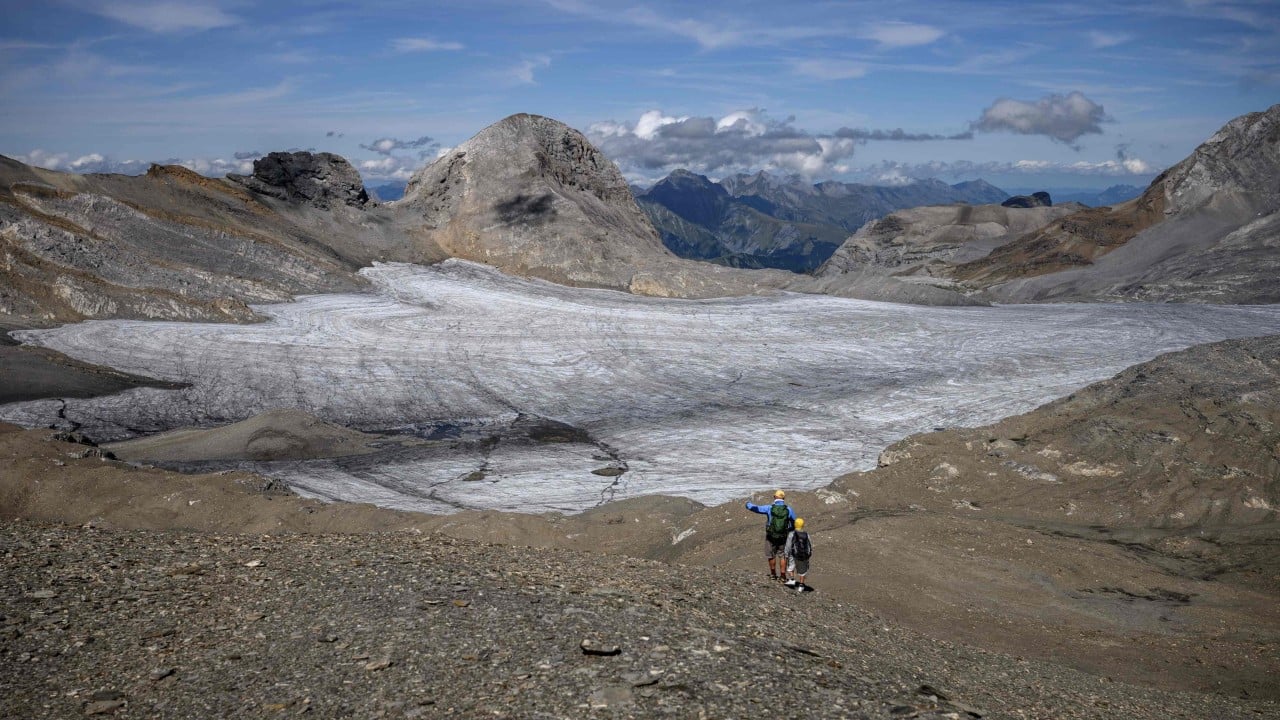
Switzerland’s glaciers lost 5.5 per cent of their volume in 2026, the second-largest annual decline recorded, according to the GLAMOS monitoring network. The report says almost 20 per cent of glacier mass has disappeared since 2021, with researchers warning that Alpine glaciers face long-term survival risks.
Swiss glaciers lost 5.5 per cent of their volume in 2026, making it the second-largest annual melt recorded, according to the Glacier Monitoring in Switzerland network. The GLAMOS study said the country’s glaciers had lost almost 20 per cent of their ice since 2021. The loss over the five years was more than twice the rate recorded in any earlier monitored five-year period.
GLAMOS chief Matthias Huss described 2026 as a catastrophic year and said some glaciers could have no ice in 10 or 15 years. The network based its findings on measurements from 23 reference glaciers in September and extrapolated them to nearly 1,300 glacial formations in Switzerland. The report followed a summer in which June, July and August were each the hottest recorded in Switzerland since measurements began in 1864.
Snow cover had partly disappeared during June heatwaves and was gone by September, including at high altitudes. Average ice thickness at some glaciers fell by 2.5 to four metres. More exposed glacier tongues lost as much as 10 metres of thickness during the summer, forcing researchers to move measurement stakes further up, including on some high-altitude glaciers.
The annual loss did not exceed the record set in 2022 because some glaciers received more snow before the summer melt. Less Sahara dust also settled on the ice, allowing more sunlight to be reflected. Four major glaciers, including the Rhone and Aletsch, nevertheless recorded their highest melt this year.
GLAMOS said Alpine glaciers had little long-term prospect under such conditions. Researchers also warned about water availability, estimating that glaciers lost about 2.2 trillion litres of water between July and September, more than four times the annual freshwater consumption of Swiss households.
This independently written report is based on information supplied by the named publisher. Vertrix News has not independently verified the source report.