Australia’s surcharge ban may push small businesses to raise prices
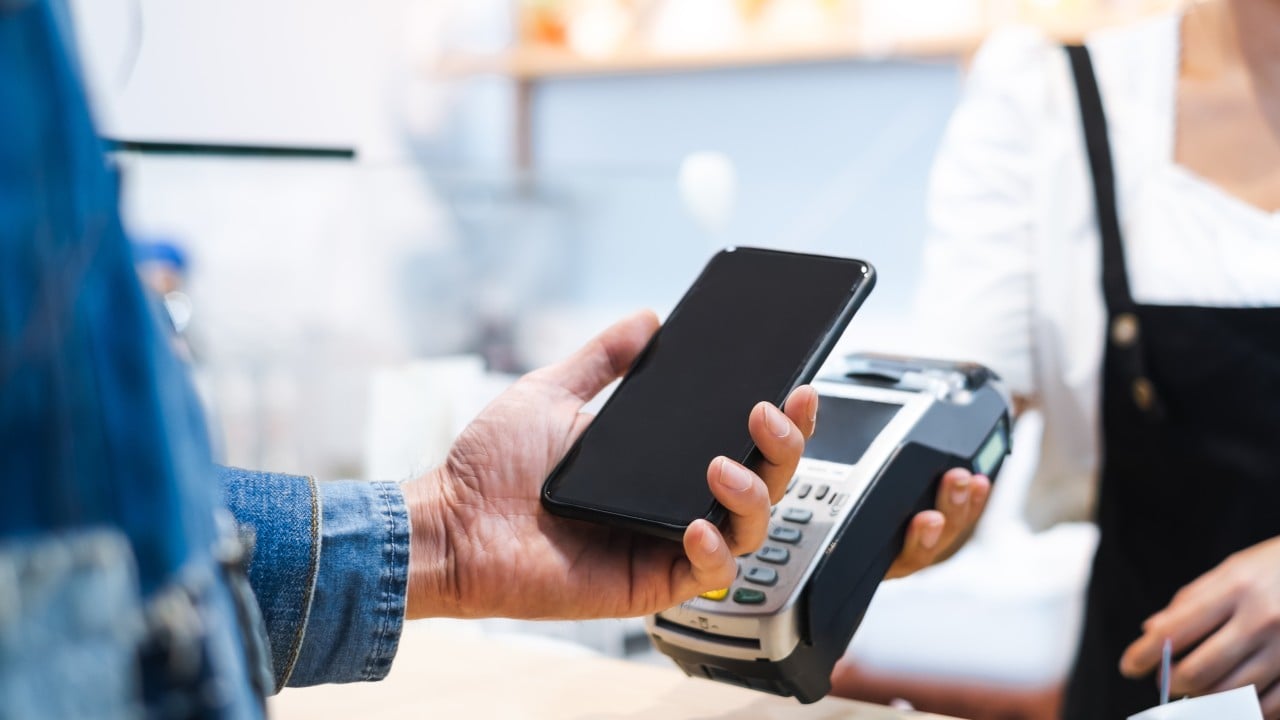
Australian cafes, restaurants and retailers are preparing for a ban on separate surcharges for Visa, Mastercard and eftpos payments. Businesses will still pay card-processing fees, and many smaller operators say they may need to raise menu or retail prices to protect narrow margins as consumers face higher living costs and weaker discretionary spending.
Australian businesses will no longer be able to impose separate surcharges on most card payments from Thursday, prompting some cafes and retailers to consider raising their advertised prices. Ross Surace, co-owner of Lennox Street Deli in Melbourne, said he planned to increase the price of a coffee by 50 Australian cents and a panini by A$1. His business currently pays more than A$1,000 a week in bank-imposed card fees and recovers part of that cost through a 1.9 per cent surcharge.
Surace estimated that removing the surcharge could add another A$1,200 to A$1,500 to the cafe’s weekly processing costs. Other small operators face a choice between absorbing those expenses and reducing already narrow margins, or passing them on through higher prices. The Reserve Bank of Australia says about 16 per cent of Australian businesses currently surcharge customers, who pay roughly A$1.6 billion a year in such fees.
The ban will cover Visa, Mastercard and eftpos debit and credit cards. American Express and UnionPay are also removing surcharges, while PayPal will follow from October 5. The policy does not prevent banks, card schemes or payment providers from charging merchants.
Instead, businesses must incorporate those costs into their prices rather than showing them as a separate fee. The RBA says this will make the price displayed to shoppers the price they pay when tapping a card. Restaurant and retail groups warned that smaller businesses were especially exposed.
Restaurant & Catering Australia said the average restaurant made a net profit of only 2.6 per cent last year. The RBA is also lowering the maximum domestic consumer credit-card interchange rate to 0.3 per cent, but retailers said it was uncertain how much of that saving would reach them.
This independently written report is based on information supplied by the named publisher. Vertrix News has not independently verified the source report.