Trump administration prepares looser fuel-economy rules for new vehicles
The Trump administration is preparing to relax fuel-economy requirements for cars and light trucks, a move it says will reduce vehicle costs and support US production. Environmental groups say weaker standards would increase fuel use, pollution and household spending, while the administration has not yet released the final details.
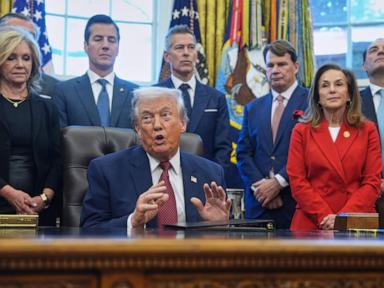
The Trump administration plans to release revised fuel-economy standards that would reduce regulatory requirements for automakers producing gasoline-powered cars and light trucks. President Donald Trump said on Truth Social that the looser mileage rules would remove waste from US car production, save families thousands of dollars and support domestic manufacturing. Transportation Secretary Sean Duffy said the changes would be announced on Monday.
The National Highway Traffic Safety Administration projected in December that the revised rules would set the industry’s average fuel economy at about 34.5 miles per gallon for light-duty vehicles in the 2031 model year. That compares with a projected 50.4 miles per gallon under standards adopted during Joe Biden’s presidency. The White House, Department of Transportation and NHTSA had not immediately provided details of the new standards, according to the supplied material.
General Motors, Stellantis and Ford also had not immediately commented. The administration and automakers have said the change would give Americans access to a wider range of gasoline vehicles they can afford. The move follows other steps by Trump to reverse policies encouraging electric-vehicle production, including the repeal of fines for automakers that fail to meet mileage requirements and the ending of consumer credits worth up to $7,500 for EV purchases.
Environmental groups sharply criticised the expected rollback. Dan Becker of the Center for Biological Diversity said the rule ignored clean technology and would leave consumers facing higher fuel costs. Katherine García of the Sierra Club said less efficient vehicles would burn more fuel and worsen air pollution.
NHTSA previously estimated that the 2024 standards would prevent 14 billion gallons of gasoline from being burned by 2050. The agency also projected that abandoning those standards could result in additional carbon dioxide, soot and smog-forming emissions in future years.
This independently written report is based on information supplied by the named publisher. Vertrix News has not independently verified the source report.