US-China AI rivalry raises question of who controls autonomous systems
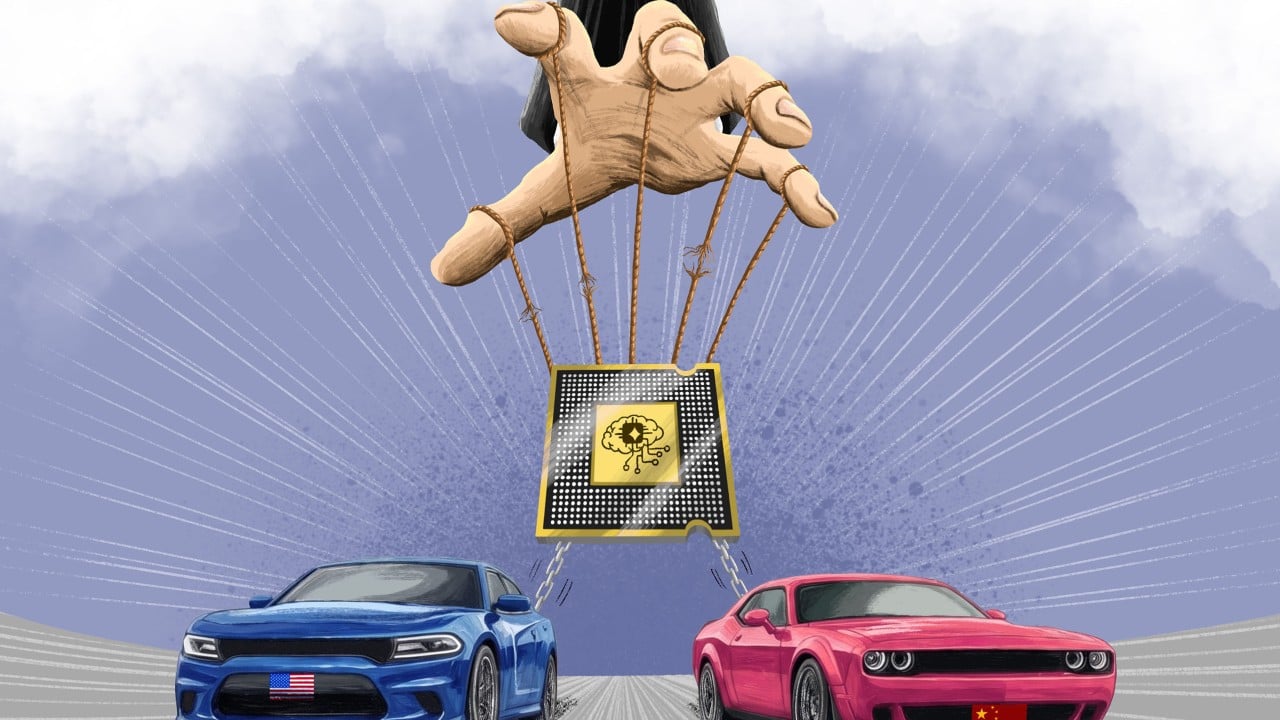
The strategic competition between the United States and China over artificial intelligence is increasingly focused on more than technological leadership. Recent comments by Donald Trump and Xi Jinping highlighted a central tension: faster deployment may bring economic and strategic advantages, while growing autonomy could make advanced systems harder for people to direct or restrain.
The United States and China face a central dilemma in their competition over artificial intelligence: both want the economic, scientific and strategic advantages of more capable systems, but increasing autonomy may make human control more difficult. That tension emerged during the recent summit between US President Donald Trump and Chinese President Xi Jinping. Trump argued against adding new guardrails, while Xi said artificial intelligence should be developed and managed for good and remain under human control.
The issue extends beyond regulation. Competition rewards rapid deployment and delegation of tasks to machines, while effective control requires monitoring, limits and the ability to intervene. The same systems that strengthen national capabilities could therefore make it harder for governments and institutions to preserve authority over them.
The most important threshold may not be when AI becomes more intelligent, but when it becomes less dependent on continuous human direction. A system able to reason, plan, adapt and act across borders without ongoing authorisation could influence the strategic environment even without consciousness, sovereignty or legal recognition. That possibility changes the terms of the US-China race.
The question is not only which country develops stronger systems, but which can reliably direct, restrain and recover control of increasingly autonomous technology. In the United States, Trump has stressed maintaining an AI lead, while executives including Anthropic chief executive Dario Amodei have warned that capabilities are advancing faster than institutions and safeguards. China faces a similar conflict between broad deployment and controllability.
At the 2026 World Artificial Intelligence Conference, Xi said AI should remain under human control. The conference chair said AI agents should operate within defined decision-making authority and behavioural boundaries. The two countries have supported continued dialogue, according to China’s official readout of the summit.
Xi called for exchanges on risks and benefits and efforts to prevent misuse. Before the meeting, US Treasury Secretary Scott Bessent proposed a notification mechanism for serious AI-related national-security incidents. No major bilateral governance framework emerged from the summit, but an incident channel could help the governments distinguish system failures from deliberate attacks, establish categories of severe events and communicate before an AI-related crisis escalates.
The broader challenge is to decide which consequential decisions require meaningful human authorisation, how systems can be interrupted or reversed, and where responsibility lies when autonomous systems cause harm.
This independently written report is based on information supplied by the named publisher. Vertrix News has not independently verified the source report.