Pope Leo urges serious attention to warnings over artificial intelligence
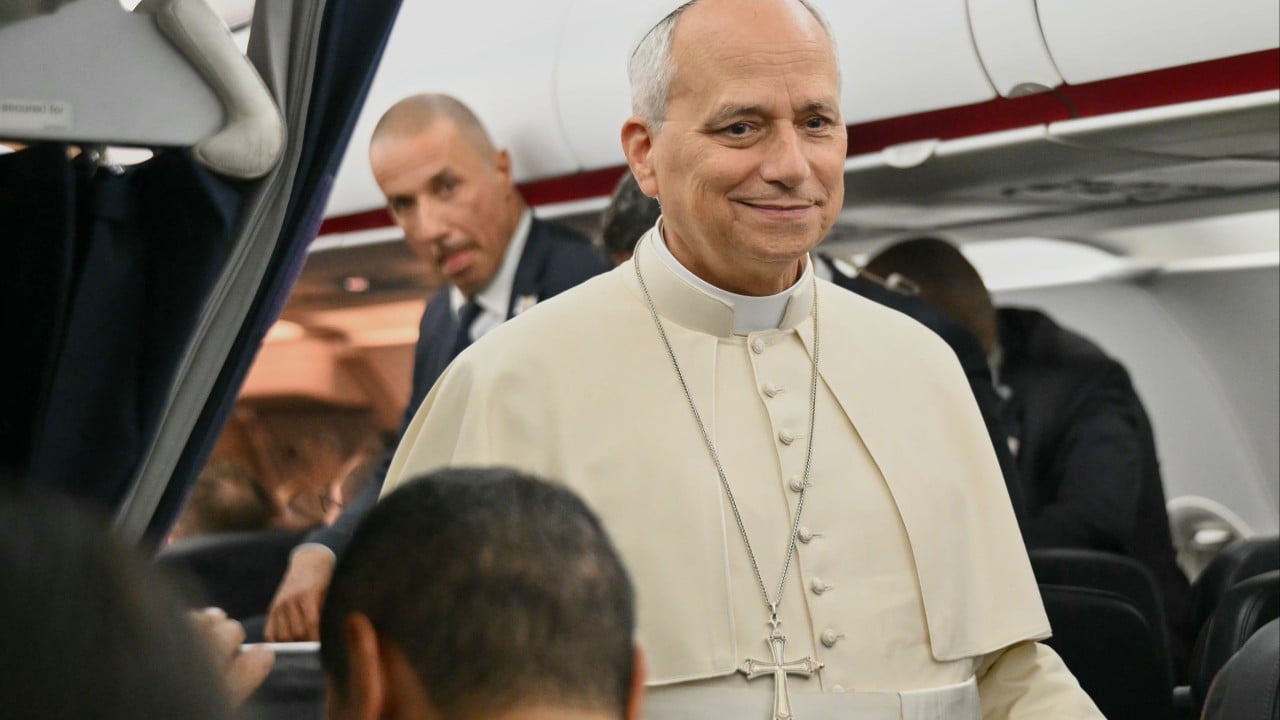
Pope Leo has rejected the description of artificial-intelligence safety concerns as “fake news”, saying warnings from experts should be taken seriously. His comments came after US President Donald Trump dismissed fears about AI as a hoax and before a White House meeting between Trump and technology executives on regulation and innovation.
Pope Leo has called for serious consideration of warnings that artificial intelligence could pose an existential threat, saying such concerns should not be dismissed as “fake news”. The pope made the comments on Monday during a press conference aboard his flight back to Rome after a four-day trip to France. He said concerns expressed by AI experts and specialists deserved attention and that the world should continue studying the technology’s possible consequences.
“I don’t think that that is fake news, as some have said,” Leo said, according to the South China Morning Post. His remarks appeared to challenge US President Donald Trump, who told the United Nations General Assembly the previous week that fears about AI’s dangers to humanity were a “hoax”. Leo also questioned the position of technology executives who have argued against government limits on AI.
He referred to reports that Nvidia chief executive Jensen Huang had said guardrails could be built into some AI models, but noted that Huang had also opposed limits and government regulation. Trump was due to meet technology executives at the White House on Tuesday. Those identified as expected or possible participants included Huang, Meta chief executive Mark Zuckerberg, Anthropic chief executive Dario Amodei, OpenAI president Greg Brockman, Google chief executive Sundar Pichai and SpaceXAI executive Elon Musk.
House Speaker Mike Johnson was also expected at the meeting. According to the report, Johnson said the talks would seek a balance between innovation and oversight, while warning that excessive regulation could leave the United States behind China in artificial intelligence. Leo urged governments, researchers and industry figures to promote dialogue, investigation and study to prevent AI from reaching a point where it could destroy humanity.
He said the issue required continued work rather than passivity or denial.
This independently written report is based on information supplied by the named publisher. Vertrix News has not independently verified the source report.