US soybean growers fault China tariff plan for leaving their crop out
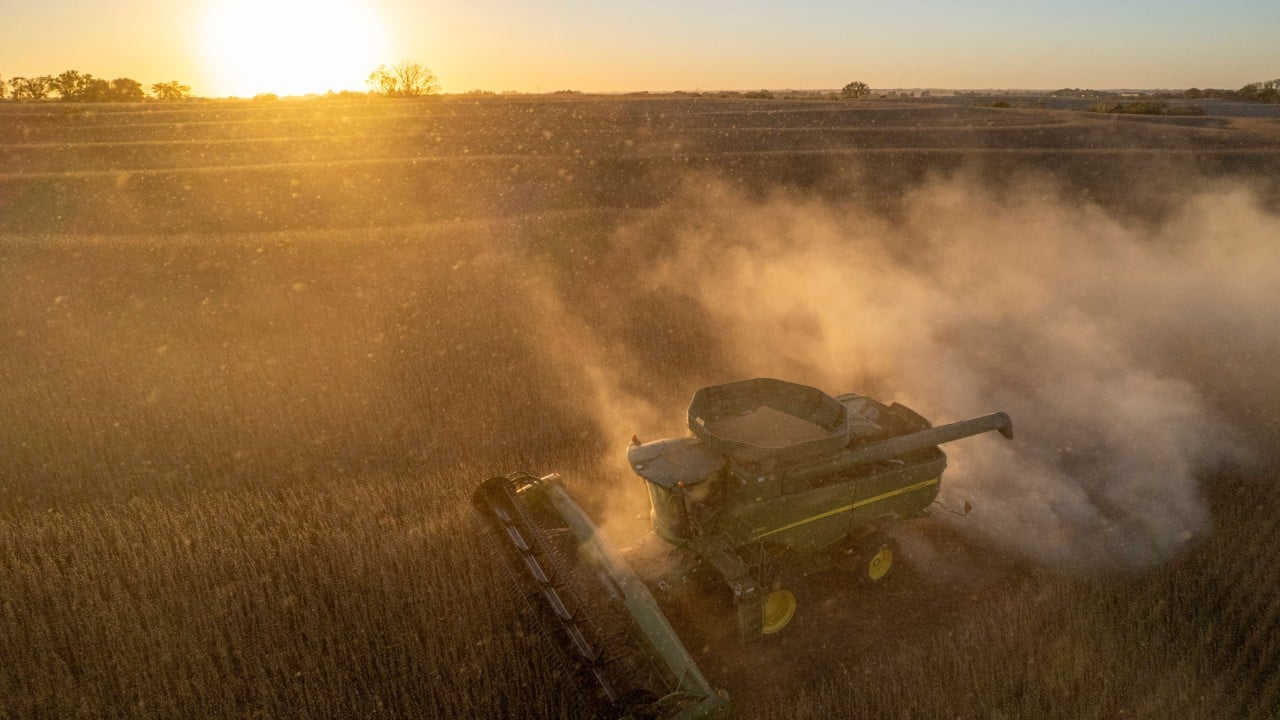
US soybean farmers say a new China-US tariff-reduction framework fails to address the duties still weighing on their exports. The criticism comes as Chinese buyers meet previously announced purchasing commitments, while analysts say the arrangement leaves growers facing competition from South American suppliers and weaker-than-historical demand.
US soybean farmers have criticised a newly announced China-US trade mechanism for excluding soybeans from the list of agricultural products eligible for tariff reductions, calling the omission a setback for growers already facing weak market conditions. The trade forum, announced by Beijing and Washington on Sunday, covers US meat, dairy, corn, wheat, sorghum and vegetable oils. Soybeans, however, remain subject to China’s 10 per cent tariff, according to the American Soybean Association, which represents farmers in more than 30 states.
“This was a missed opportunity for the American farmer,” said John Bartman, a fifth-generation soybean farmer in Illinois. The association said it was disappointed, arguing that the remaining retaliatory duty restricted access for private Chinese importers. The White House published tariff-reduction lists covering $30bn in goods from each country.
China’s Ministry of Commerce said more than 90 per cent of the products included would receive most-favoured-nation tariff treatment, while reciprocal tariffs on those goods would be waived. The ministry’s list did not include soybeans. Soybeans appear instead to remain governed by an earlier trade understanding.
China has pledged to buy at least $17bn in US agricultural products annually for three years, including 12m tonnes of US soybeans in the 2025 season and 25m tonnes in 2026. Agriculture Secretary Brooke Rollins said the first target had been met and that the larger purchase goal was on track. Wendy Cutler, a senior vice-president at the Asia Society and former US trade negotiator, said the exclusion appeared deliberate because of the existing soybean commitments.
Chinese state-run agricultural companies have already bought more than 12m tonnes this year, according to the source material. Bartman said the tariff made US soybeans less competitive than supplies from countries including Brazil. Purdue University’s Centre for Commercial Agriculture estimated that even if China fulfils its commitments, shipments would remain 14 per cent below the average of 29m tonnes sent annually from 2020 to 2024.
Jeff Winton, a dairy farmer in New York, welcomed dairy’s inclusion but said he was surprised and disappointed by soybeans’ exclusion. He said some farmers still held last season’s crop, while high diesel and fertiliser costs were adding to financial pressure.
This independently written report is based on information supplied by the named publisher. Vertrix News has not independently verified the source report.