Trump backing renews debate over India-Europe corridor’s war risks
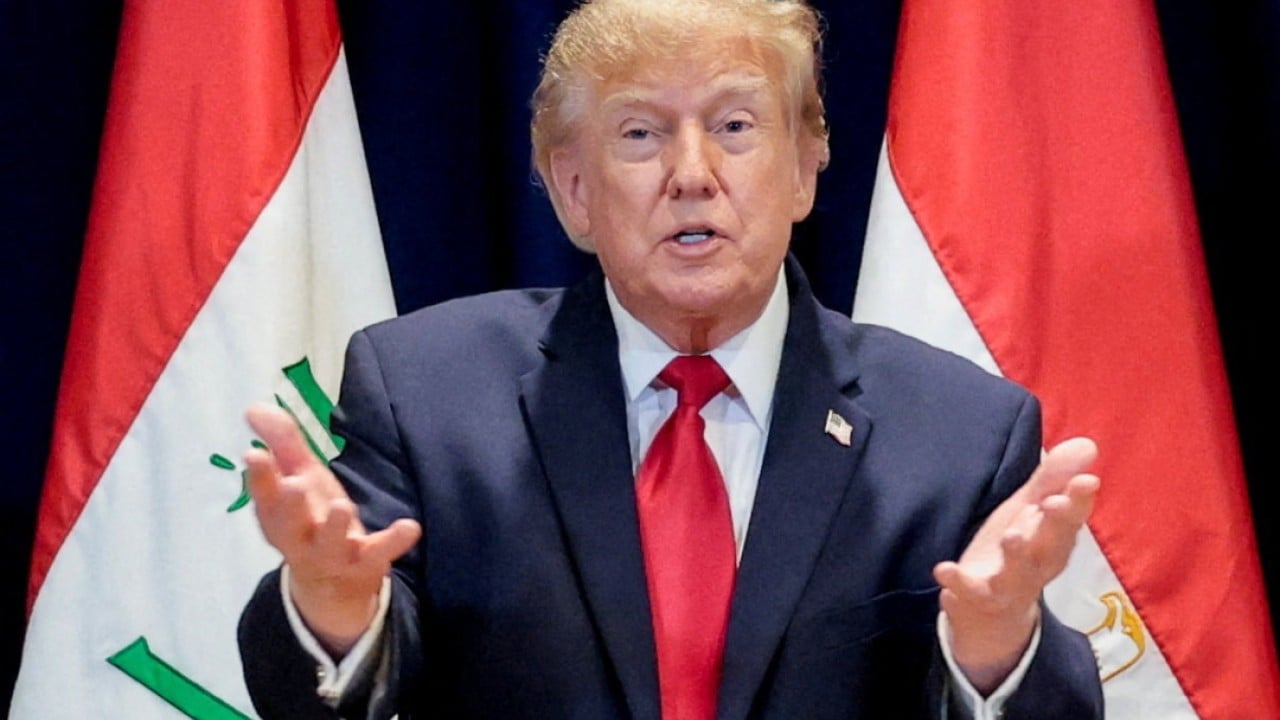
US President Donald Trump’s endorsement of the India-Middle East-Europe Economic Corridor has revived political attention around the project, but analysts say conflict involving Iran and Gaza has exposed vulnerabilities in its proposed route. They are urging a broader network of ports and land links rather than reliance on single chokepoints.
US President Donald Trump’s support for the India-Middle East-Europe Economic Corridor has renewed attention on a project whose proposed route remains vulnerable to regional conflict. IMEC was unveiled at the 2023 G20 summit as an alternative trade route linking India and Europe through the Middle East. It is backed by India, the United States, Saudi Arabia, the United Arab Emirates, Israel and the European Union, and is intended to combine shipping, rail, energy pipelines and data cables.
Much of the infrastructure remains under development. The eastern leg would move cargo from Indian ports to Gulf ports, including Jebel Ali and Khalifa, before sending it overland through the UAE, Saudi Arabia and Jordan towards Israel and Europe. Trump said on September 22 that attacks linked to Iran had demonstrated the need to move Middle Eastern energy infrastructure away from vulnerable maritime routes.
He said his administration strongly supported IMEC and other ways of transporting oil, including pipelines. Analysts said the endorsement created political momentum but did not necessarily indicate that US financial support was imminent. Alberto Rizzi of the European Council on Foreign Relations said the conflict had exposed a central weakness: a corridor designed to bypass chokepoints could still depend on them.
Ships travelling from India to UAE ports inside the Persian Gulf must pass through the Strait of Hormuz. The western gateway at Haifa is also exposed to regional conflict. The war in Gaza had already delayed the project, while the Iran conflict has added uncertainty and raised concerns about insurance and financing costs.
Experts proposed turning IMEC into a network with alternative routes. Options mentioned included Fujairah, outside Hormuz, Oman’s Salalah port and links through Egypt or Syria via Jordan. A direct freight service connecting Fujairah with Abu Dhabi was launched by Etihad Rail and AD Ports on September 20.
Analysts said diversification could make the corridor more resilient, but also more difficult and expensive to coordinate and build.
This independently written report is based on information supplied by the named publisher. Vertrix News has not independently verified the source report.