Trump rejects Iranian seven-day plan to reopen Strait of Hormuz
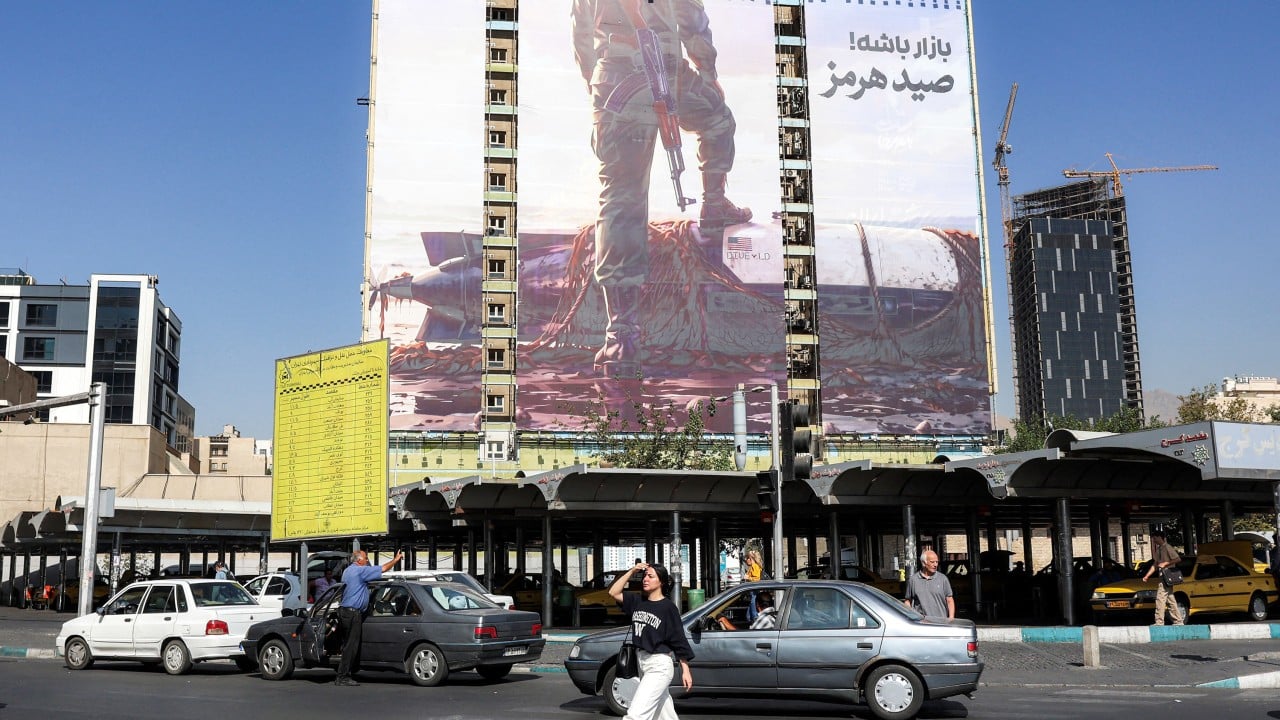
US President Donald Trump has rejected an Iranian proposal for a cessation of hostilities and the reopening of the Strait of Hormuz within seven days. Iran says its plan depends on the release of frozen assets, oil-sanctions relief and an end to the US naval blockade, but Washington remains sceptical.
US President Donald Trump has rejected an Iranian proposal that Tehran said could restore normal shipping through the Strait of Hormuz within seven days if specified conditions were met. “I reject their proposal,” Trump told reporters outside the White House on Saturday. He said Iran wanted to open the strait immediately because it was losing badly, while also saying he was open to making a deal.
Iranian officials said the proposal involved a cessation of hostilities across the Middle East, including Lebanon. Foreign Minister Abbas Araghchi said the plan was conveyed to the United States through Qatar and required the release of frozen Iranian assets, the lifting of sanctions on Iranian oil and an end to the US naval blockade. Under the proposal, Iran would reopen Hormuz on the seventh day of a truce.
Araghchi said normal maritime passage could be restored within a week if the necessary conditions were accepted. President Masoud Pezeshkian said the plan had been developed in coordination with supreme leader Mojtaba Khamenei. Pezeshkian also told the United Nations secretary-general, Antonio Guterres, that Iran had not abandoned negotiations but no longer trusted the United States because of past experiences.
The Iranian president had been returning to Tehran after attending the UN General Assembly in New York. The proposal resembles a memorandum of understanding signed by Washington and Tehran earlier in the year, according to the report. That agreement was intended to end the war, reopen the strait and begin discussions on Iran’s nuclear programme, but it later broke down.
Iranian Revolutionary Guards spokesman Hossein Mohebi said Iran would continue punishing the United States until its conditions were met. The Wall Street Journal reported that Trump was sceptical Iran would satisfy his demands and expected the US bombing campaign to resume. The dispute has left the waterway, a major energy route, at the centre of the conflict.
Iran requires ships to obtain authorisation before passage, citing security and sovereignty concerns, while the United States has carried out retaliatory strikes on Iranian coastal areas.
This independently written report is based on information supplied by the named publisher. Vertrix News has not independently verified the source report.