UN-backed inquiry accuses Russia of war crimes in attacks on Ukraine’s energy system
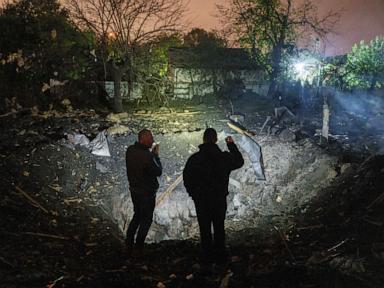
A UN-backed commission says Russia deliberately targeted civilian energy infrastructure in Ukraine, causing severe hardship during winter and amounting to war crimes and crimes against humanity. The panel also found evidence that men from 29 countries were recruited through deception or coercion into Russia’s armed forces, while Moscow rejected the inquiry’s mandate and findings.
A United Nations-backed commission of inquiry has concluded that Russia committed war crimes and crimes against humanity by intentionally attacking Ukraine’s energy infrastructure, saying the strikes left millions of civilians without electricity, heating and essential services during freezing conditions. The Independent International Commission of Inquiry on Ukraine said Russian attacks were directed at civilian objects, including power plants and heating facilities. Commission chair Erik Møse said commanders knew those installations were indispensable to civilians, particularly during winter.
The panel described the resulting suffering as a crime against humanity. According to UN News, temperatures fell to as low as minus 21 degrees Celsius last winter. The commission’s report included testimony from residents who endured cold, hunger, lack of medicine and the loss of access to water, electricity and medical equipment.
Older people were especially affected: some could not use stairs or lifts to reach shelters during air-raid alerts, while hospital patients faced the loss of devices needed to keep them alive. The findings were based on accounts from 255 people in nine Ukrainian regions, including Kyiv, Dnipro, Kharkiv, Kherson, Mykolaiv and Odesa. Investigators also consulted Ukrainian officials, doctors and nongovernmental organisations.
The report said Russian attacks on the energy system had intensified again as another winter approached, raising concerns about continued risks to civilians. The commission also examined attacks by Ukrainian forces on energy infrastructure in Russia and occupied parts of Ukraine. UN News reported that investigators could not assess the impact of strikes in Russia because Russian authorities denied access and did not respond to requests for information.
That limitation distinguishes the panel’s conclusions about the two sides’ attacks. A second section of the report identified what the commission called compelling evidence that Russia recruited men from 29 countries into its armed forces through deception or coercion, in violation of international law. The inquiry examined nationals from 48 countries and said the recruits were mostly from vulnerable and economically marginalised communities.
The men, aged between 18 and 60, were allegedly recruited through agents presenting themselves as legitimate or government-endorsed businesses. Some were offered visas or other assistance, then forced after arriving in Russia to sign contracts in Russian with the Defence Ministry that they did not understand. The report said recruits were sent to dangerous frontline assignments; some were killed or went missing, while others surrendered or were captured.
ABC News identified the 29 countries listed by the commission, including India, Nigeria, South Africa, Brazil, Bangladesh, Turkey, Uzbekistan and Zimbabwe. The panel called for trafficked people to be discharged from Russia’s armed forces. Russia’s UN mission said it did not recognise the commission’s mandate and accused it of relying on “falsified data.” Møse said Russian authorities had not responded to requests for comment on the inquiry’s reports.
Vertrix News compared the attributed reports listed below and wrote this independent synthesis. Claims remain attributed where independent verification was unavailable.
Sources
- ABC News US
- UN News